For decades, the range anchored kitchen aspiration. Wolf, La Cornue, Lacanche—names you pronounced carefully at dinner parties while gesturing toward your six burners. The logic was clear: serious cooking required serious equipment. But quietly, the calculus changed.
The dishwasher has become the appliance that actually reflects how people live now. It's not about cooking performance anymore—it's about system efficiency, noise pollution, and whether you spend evenings scrubbing or not. The status hierarchy just inverted, and the implications run deeper than you think.
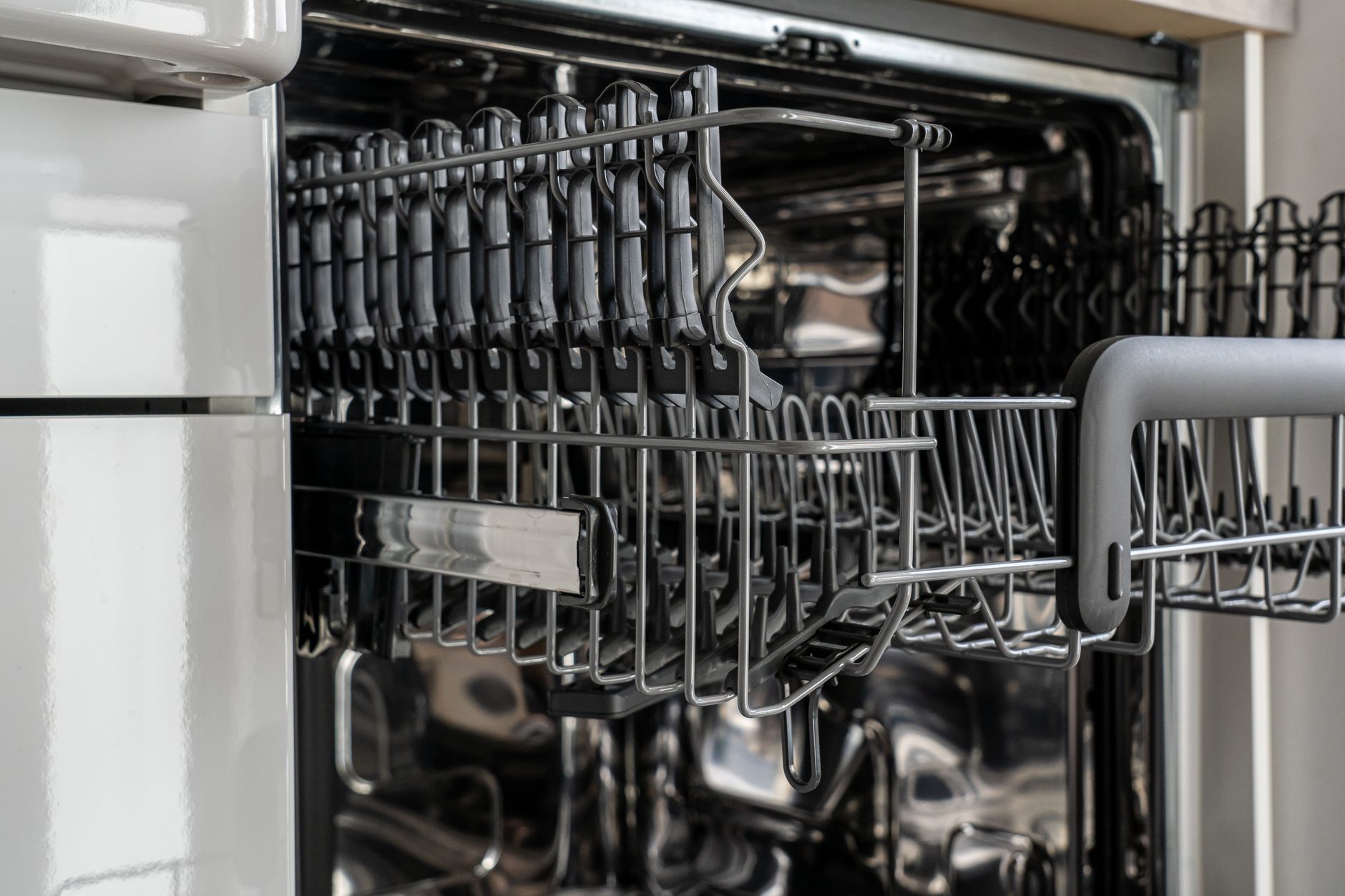
Third-rack engineering became the new horsepower
While range enthusiasts debated BTU output, dishwasher designers solved actual daily friction. The third rack—for flatware, spatulas, small bowls—represents applied intelligence over brute capacity. Bosch and Miele turned loading strategy into an art form. This is infrastructure that compounds: better organization means less pre-rinsing, tighter packing, fewer cycles. The people optimizing this aren't thinking about dinner parties. They're thinking about Tuesday night.
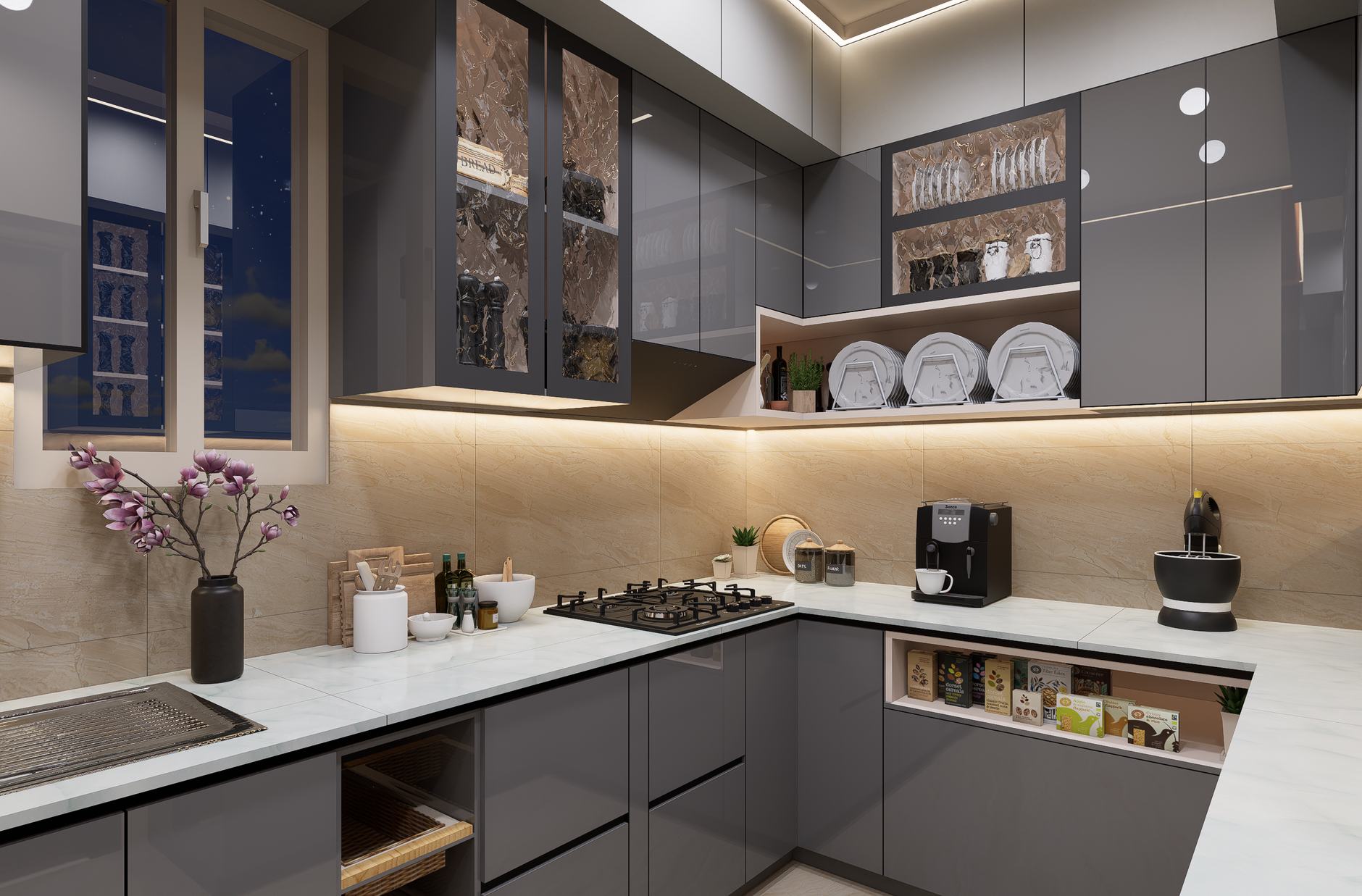
Silence became the ultimate luxury specification
Decibel ratings now carry the weight horsepower once did. A 38dB dishwasher isn't a spec—it's a lifestyle edit. Open kitchens made noise impossible to compartmentalize, and running a dishwasher during conversation became the new social tax. Quiet models signal spatial awareness and consideration, qualities that matter more than whether you can sear a steak at volcanic temperatures. Volume is the new vulgarity.

Professional ranges became performance art for declining use
The six-burner range sits cold most nights because delivery, meal kits, and strategic simplicity replaced elaborate cooking. It's a stage set for aspiration, but the dishwasher runs daily. This isn't about cooking skill—it's about admitting how time actually gets spent. The range promised transformation; the dishwasher promises time back. One is театр, the other is honest infrastructure.
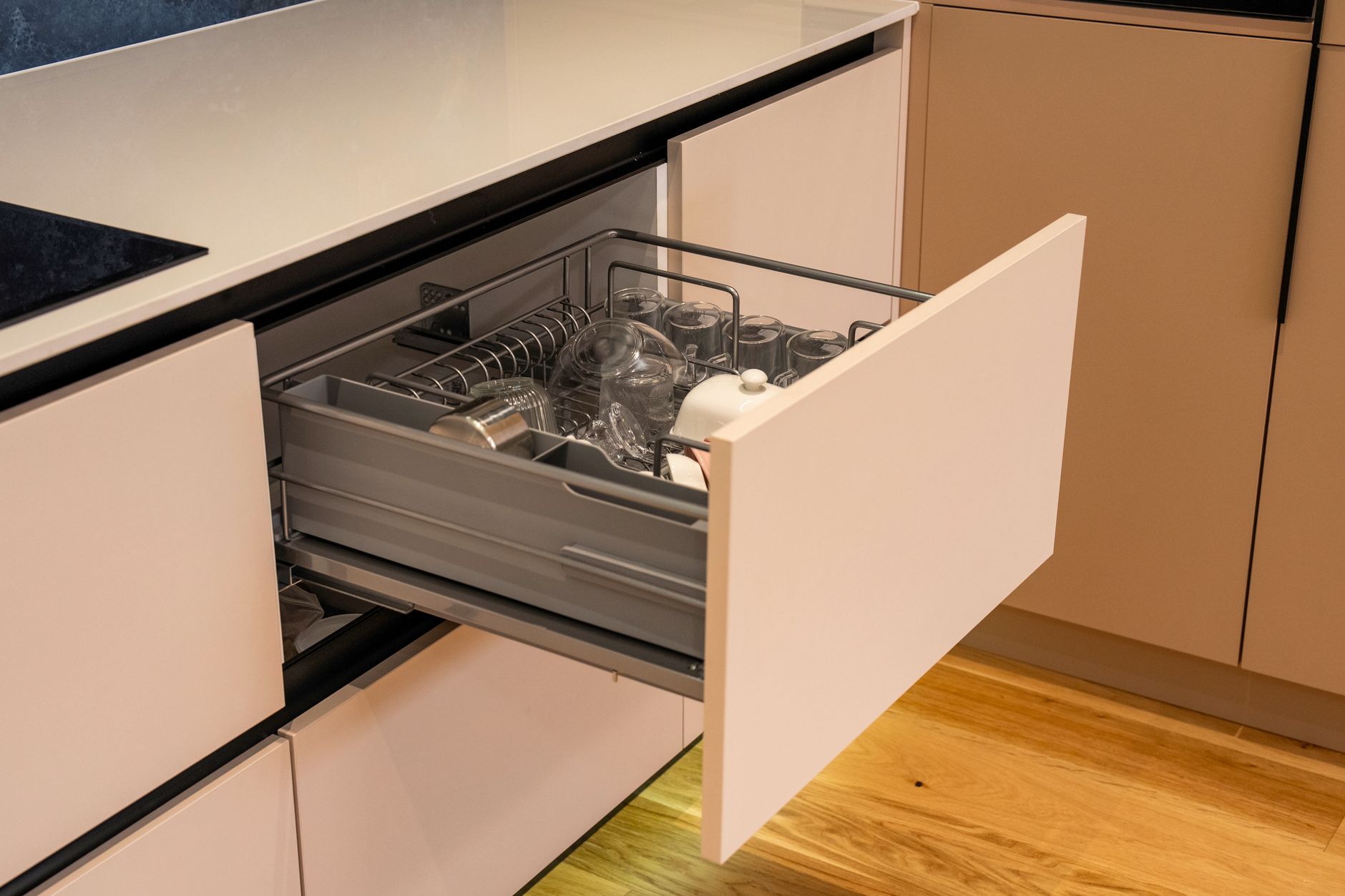
Drawers replaced doors in the hierarchy
Fisher & Paykel's drawer dishwashers redefined flexible luxury—run one for lunch dishes, both for dinner parties. This is appliance architecture that adapts to actual rhythm instead of imposing a single-use model. Drawer units fit into islands and separate prep zones, distributing function throughout the kitchen rather than centralizing it. The shift from monument to system is complete. Flexibility always wins over monumentality.

Energy monitoring made virtue visible
Connected dishwashers report water and energy use, making efficiency a trackable virtue. This data-forward transparency appeals to the same cohort that monitors sleep and glucose. Ranges can't compete on this dimension—gas burns, heat dissipates, nothing gets measured. The dishwasher became a dashboard for domestic responsibility. When appliances generate feedback loops, they graduate from tools to systems. And systems always colonize aspiration.