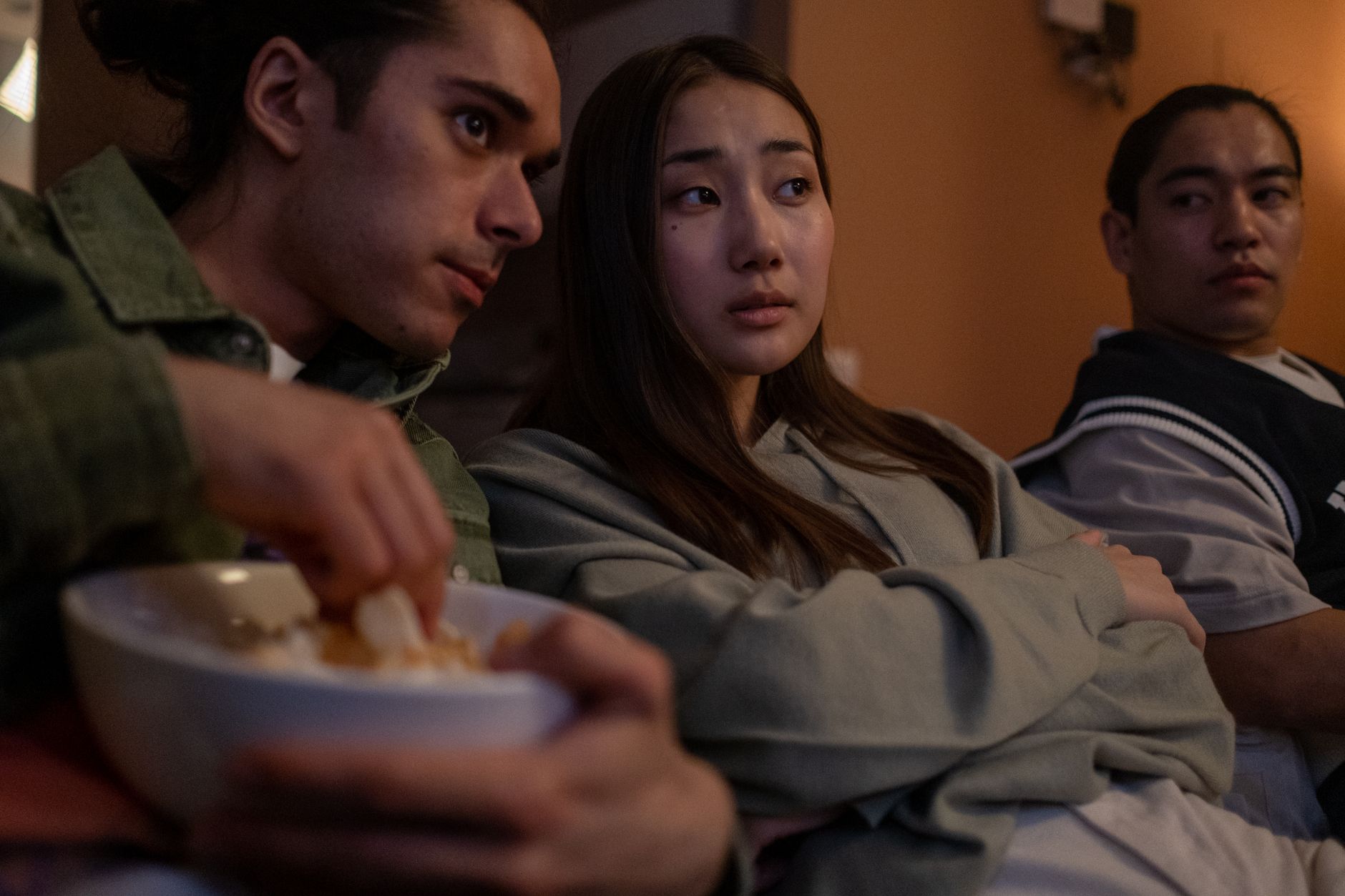
You can't just watch television anymore. You need the episode breakdowns, the Easter egg explainers, the character backstory threads, the think pieces contextualizing the showrunner's previous work, and—critically—the discourse about the discourse. Culture has become homework, with every film, show, meme, or album release arriving with a syllabus attached.
This isn't about complexity. Audiences have always embraced intricate narratives. This is about the externalization of context—the assumption that nothing can be experienced without supplementary materials, crowd-sourced annotations, and prerequisite knowledge checks. We're drowning in metadata, and the actual text has become secondary.

The Lore Industrial Complex
Franchises like Marvel and Star Wars have normalized the idea that casual viewing is impossible. Miss one Disney+ series? You won't understand the film. Skip the animated spin-off? That character's motivation will confuse you. Fandoms have always tracked continuity, but now studios architect it as barrier to entry, training audiences to treat entertainment like required reading. The result: consumption feels less like pleasure and more like keeping up with coursework you didn't sign up for.

TikTok Explainer Entrepreneurs
A new creator class has emerged whose sole function is translating culture for people who don't have time to experience it firsthand. "Let me explain the Kendrick-Drake beef," "Here's everything you need to know about the new Sally Rooney adaptation," "The Dune lore, simplified." These accounts rack up millions of views by doing the cultural homework for you—but they've also created a dependency loop where people consume the explanation instead of the thing itself, mistake summarization for understanding, and treat culture as something to be briefed on rather than felt.
Prestige TV's Annotation Addiction
Shows like Succession, The White Lotus, and Yellowjackets spawn entire economies of recappers, theorists, and symbolic-detail hunters. Directors plant visual references that require frame-by-frame analysis. Writers layer in allusions that demand familiarity with Greek tragedy or Shakespearean structure. The viewing experience has split into two tiers: those who watch, and those who study. When did we decide that enjoying a show without reading three articles about it the next morning constituted a failure of engagement?

Meme Archaeology as Social Currency
Every viral moment now requires a Wikipedia page's worth of context. "You had to be there" has transformed from a nostalgic phrase into a genuine explanation for why something is funny. New participants in online culture find themselves locked out by the sheer volume of prerequisite knowledge—callbacks to 2019 Twitter drama, references to defunct Vine jokes, layered irony that only makes sense if you followed a specific Discord community. Being culturally literate now means maintaining an exhaustive mental database, and the barrier to entry grows higher by the week.

The Thread That Explains the Thread
Nothing is allowed to simply exist. Every cultural event triggers a cascade of explanatory threads: the historical context thread, the "what this means for X community" thread, the "actually, here's what you're missing" correction thread. These often become more widely read than the original subject. We've developed a reflex for context-seeking that borders on compulsive, as if experiencing something without immediately understanding its place in a larger framework is intellectually irresponsible. The annotation has eclipsed the text.
Algorithm-Driven Prerequisite Creep
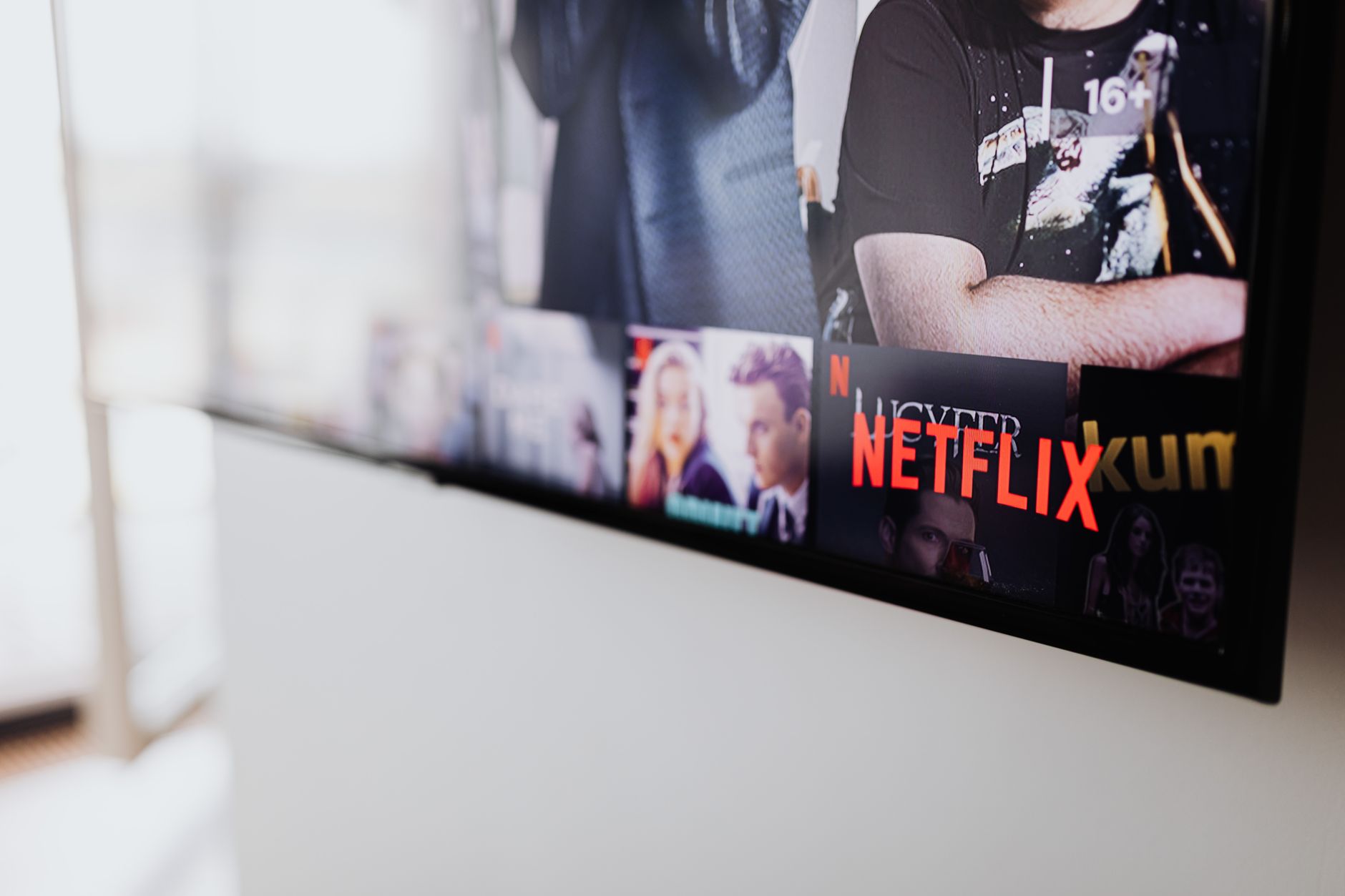
Platforms have discovered that requiring homework increases engagement metrics. Netflix's "previously on" recaps have become mini-episodes. Spotify's "Story of the Song" features add context to every track. YouTube's recommendation algorithm funnels you toward explainer content after every video you watch, training you to believe you didn't fully understand what you just saw. The result is a self-perpetuating cycle: platforms create complexity, then monetize the solution to that complexity, making the unannotated experience feel incomplete.

The Backlash: Willful Ignorance as Rebellion
A quiet counter-movement is emerging among people who refuse to do the homework. They watch shows without reading recaps, engage with memes without researching their origin stories, and—radically—admit when they don't understand a reference instead of frantically Googling it. This isn't anti-intellectualism; it's exhaustion with the demand that every cultural experience come with a research component. Sometimes a film is just a film, a song just a song. The most subversive act in contemporary culture might be allowing yourself not to know everything.