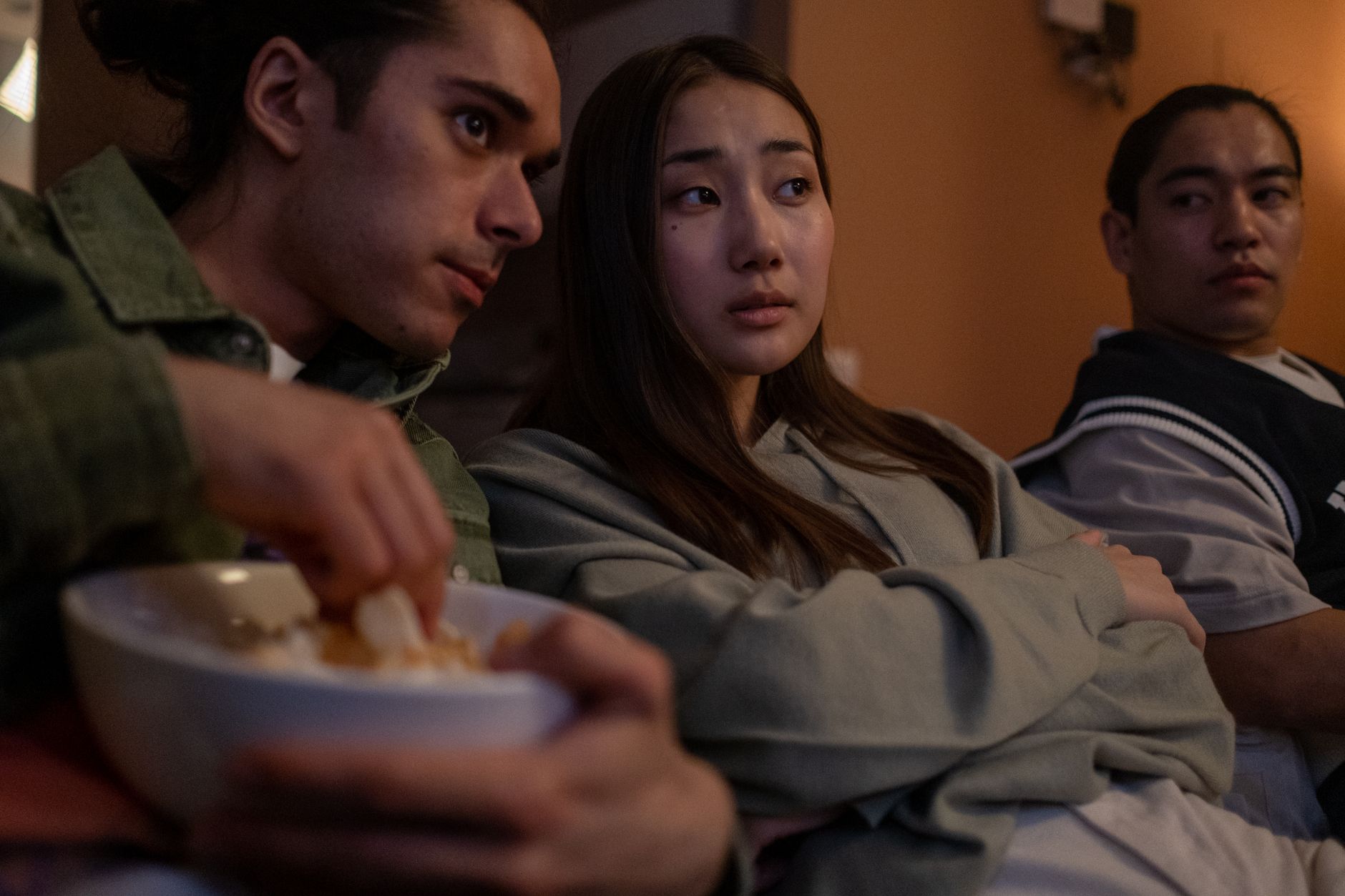
When Terrence Howard exited *Iron Man* after one film and Don Cheadle slipped into the War Machine suit, the internet erupted. Forums dissected every facial feature discrepancy. Critics questioned whether Tony Stark's best friend could possibly be believable with a different jaw structure.
Fast forward to 2024, and Marvel just recast one of its most visible characters with barely a ripple of discontent. *The Crown* built an entire prestige model on swapping its actors every two seasons. *Doctor Who* made regeneration its narrative spine. Something fundamental has shifted in how we consume serialized storytelling—and it's not that we've become less observant. We've become more pragmatic about the industrial realities of franchise entertainment.

1. Streaming Normalized the Long Game
Audiences now expect stories to span decades, not sequels. When you're committing to eight seasons instead of three films, actor availability becomes a logistical puzzle rather than a creative betrayal. *The Crown* didn't apologize for its casting rotation—it made the aging process part of the artistic premise. Now viewers unconsciously accept that long-form storytelling requires long-form casting strategies. We've learned to read through the actor to the character architecture beneath.

2. The MCU Taught Us Characters Are Bigger Than Faces
Marvel's factory approach demystified the actor-character relationship entirely. When you're managing forty interconnected storylines, sentimentality about original casting becomes a production liability. The Hulk got recast before the universe even coalesced. Thanos had three different faces across his arc. Audiences absorbed the lesson: in franchise entertainment, the IP is the star. The mask matters more than who's wearing it.

3. Social Justice Made Recasting Feel Progressive
What once read as studio cheapness now often signals corrective evolution. When problematic behavior surfaces or representation gaps become glaring, recasting offers an ethical exit ramp. Replacing Armie Hammer in *Shotgun Wedding* felt responsible, not disruptive. Audiences increasingly view these swaps as moral upgrades rather than narrative compromises—a chance to align casting with contemporary values without scrapping entire productions.
4. Behind-the-Scenes Drama Became the Actual Entertainment
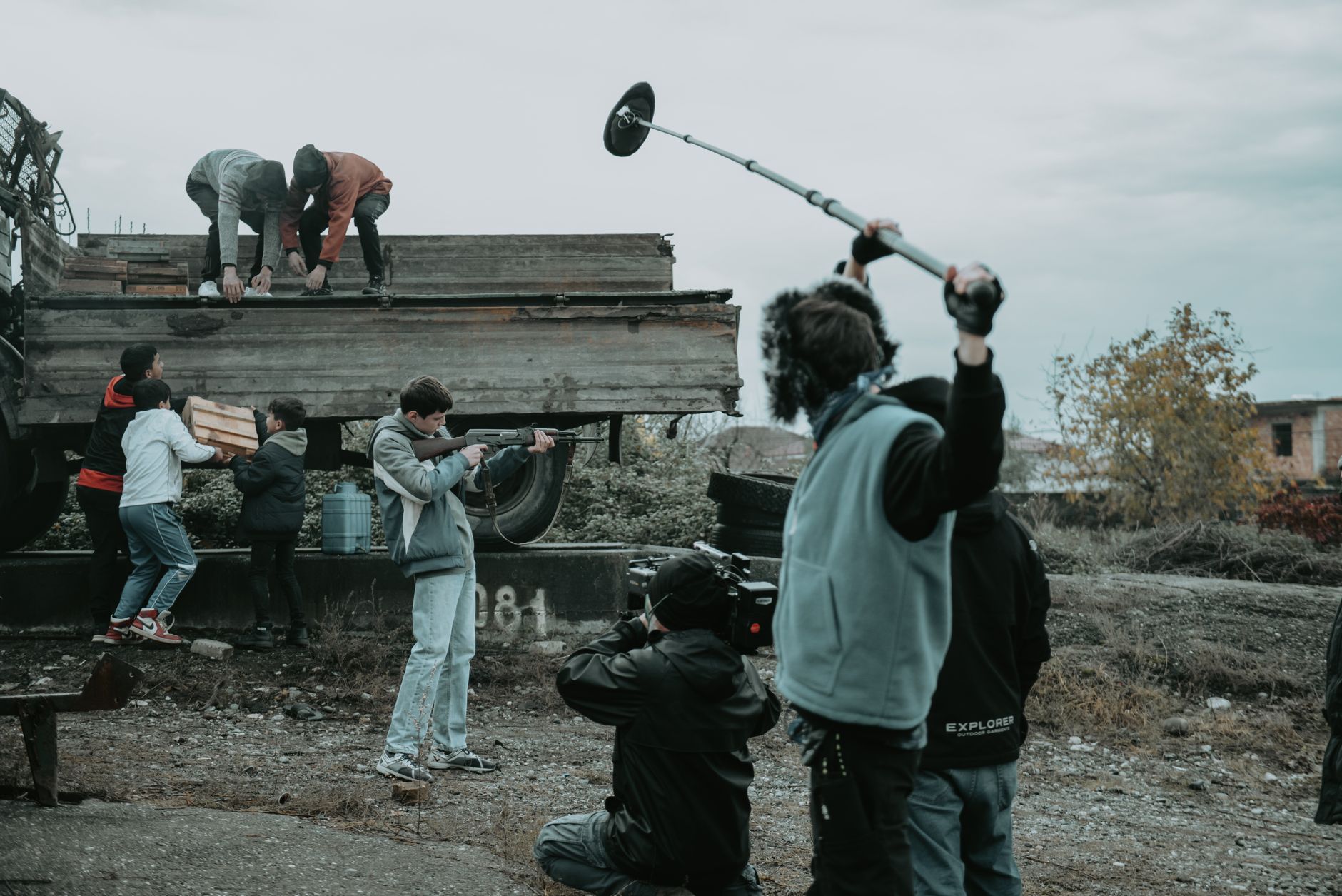
We're no longer passive consumers pretending not to see the strings. The *Don't Worry Darling* production circus, the *Justice League* Snyder Cut saga—audiences now follow franchise politics as avidly as the franchises themselves. Recasting has become another plot point in the meta-narrative we're actually invested in. When an actor exits, we're less concerned about fictional continuity than we are about reading the trades for the real story.
5. Digital Necromancy Made Flesh Actors Feel Replaceable
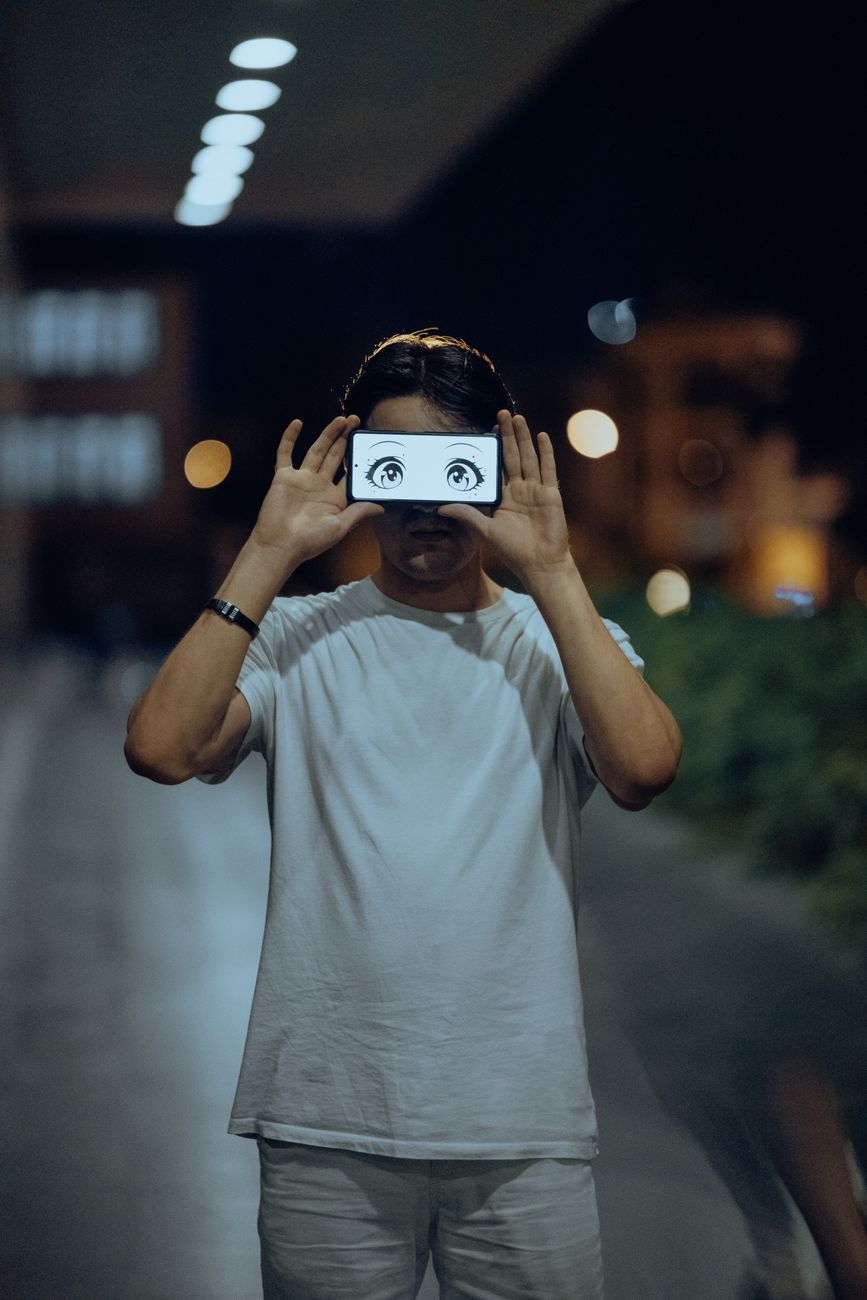
If studios can digitally resurrect Peter Cushing and de-age Harrison Ford into uncanny smoothness, hiring a different living human feels quaint by comparison. The technology has paradoxically made physical recasting seem more authentic—at least it's an actual person making actual choices. Audiences would rather watch a new actor interpret a role than a deepfake puppet of the original. We've seen the alternative, and flesh-and-blood replacement suddenly looks artisanal.

6. Ensemble Casts Diffused Individual Actor Power
When your franchise has eighteen regulars, no single face becomes indispensable. *Game of Thrones* killed leads with impunity and the show survived. *Fast & Furious* rotates its crew based on who's available and feuding with whom. The ensemble model has decentralized actor importance to the point where replacement feels like rotation rather than rupture. One missing piece doesn't collapse the entire architecture.

7. Audiences Finally Admitted They're Here for the World, Not the People
The honest truth beneath all the rationalization: we care more about returning to Westeros than who's wearing the crown. We want the *Star Wars* universe, the Hogwarts experience, the MCU spectacle. Actors are tour guides through worlds we're obsessed with revisiting. Recasting only bothers us when it disrupts the guided tour—and modern productions have gotten surgical about making those transitions invisible. We've stopped pretending the actor is the attraction when we know we're really there for the ride.
- 1. Streaming Normalized the Long Game
- 2. The MCU Taught Us Characters Are Bigger Than Faces
- 3. Social Justice Made Recasting Feel Progressive
- 4. Behind-the-Scenes Drama Became the Actual Entertainment
- 5. Digital Necromancy Made Flesh Actors Feel Replaceable
- 6. Ensemble Casts Diffused Individual Actor Power
- 7. Audiences Finally Admitted They're Here for the World, Not the People