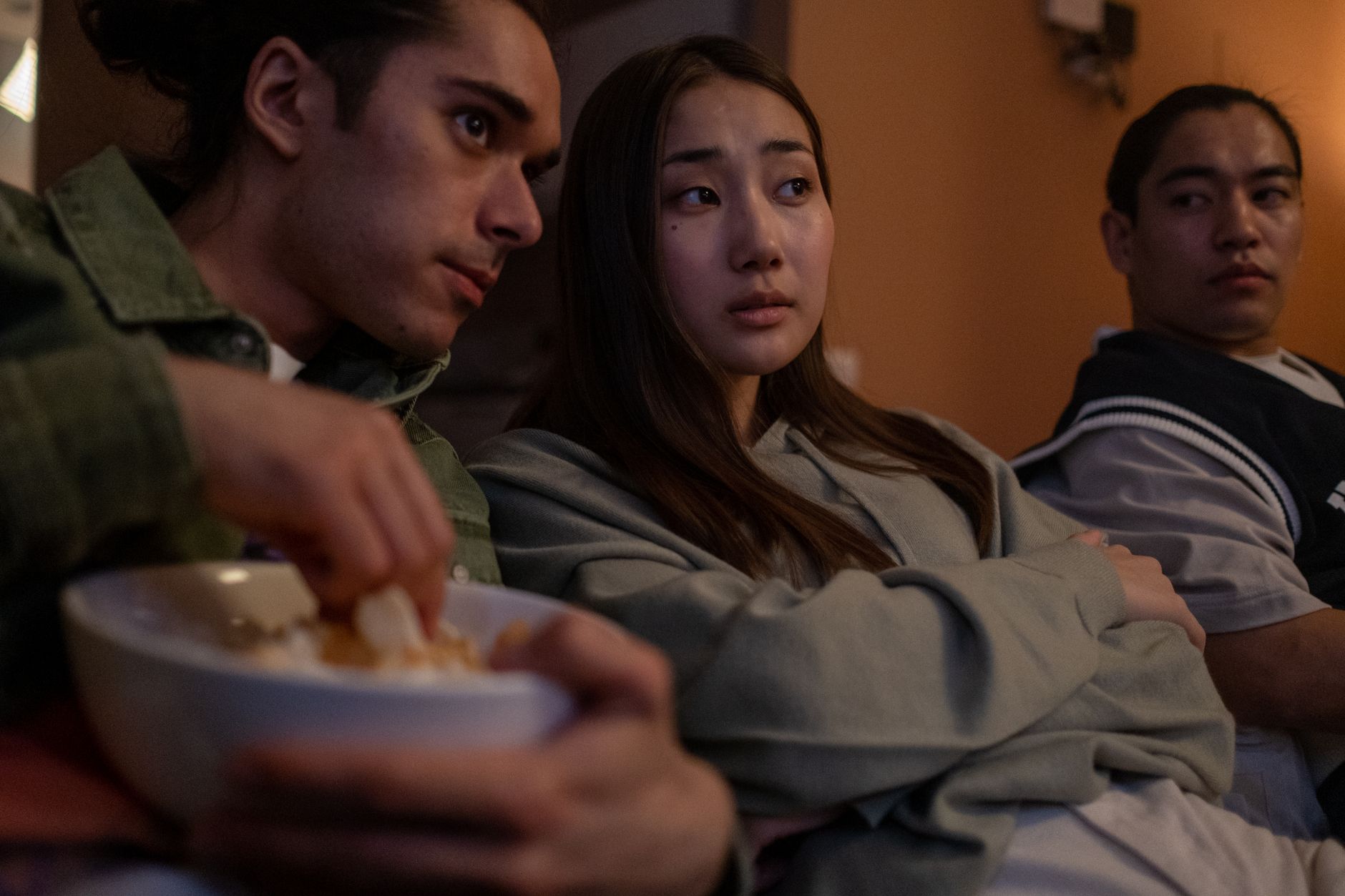
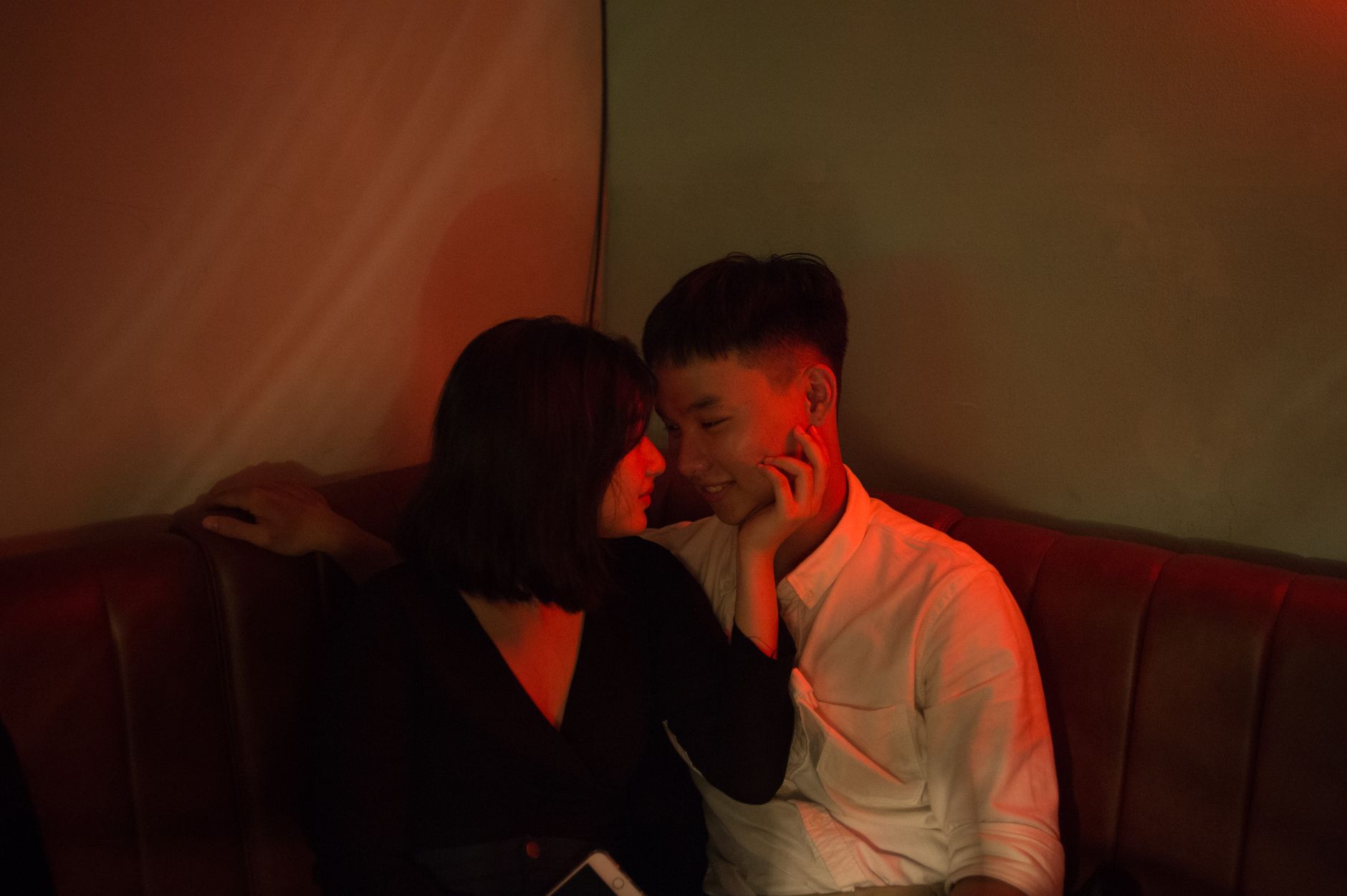
The distinction between prestige drama and reality television—once a reliable marker of cultural capital—has become functionally meaningless. Emmy-winning series now deploy bachelor franchise confessionals, TikTok pacing, and the surveillance grammar of Ring cameras. Meanwhile, reality programming adopts cinematic lighting, serialized arcs, and the psychological complexity once reserved for auteur cable dramas.
This isn't elevation or slumming. It's collapse. The aesthetic and structural DNA of both formats has merged into something new: entertainment that refuses categorization and makes the very concept of "guilty pleasure" obsolete. Here's how the hierarchy died.
Prestige Shows Are Stealing Reality's Confessional
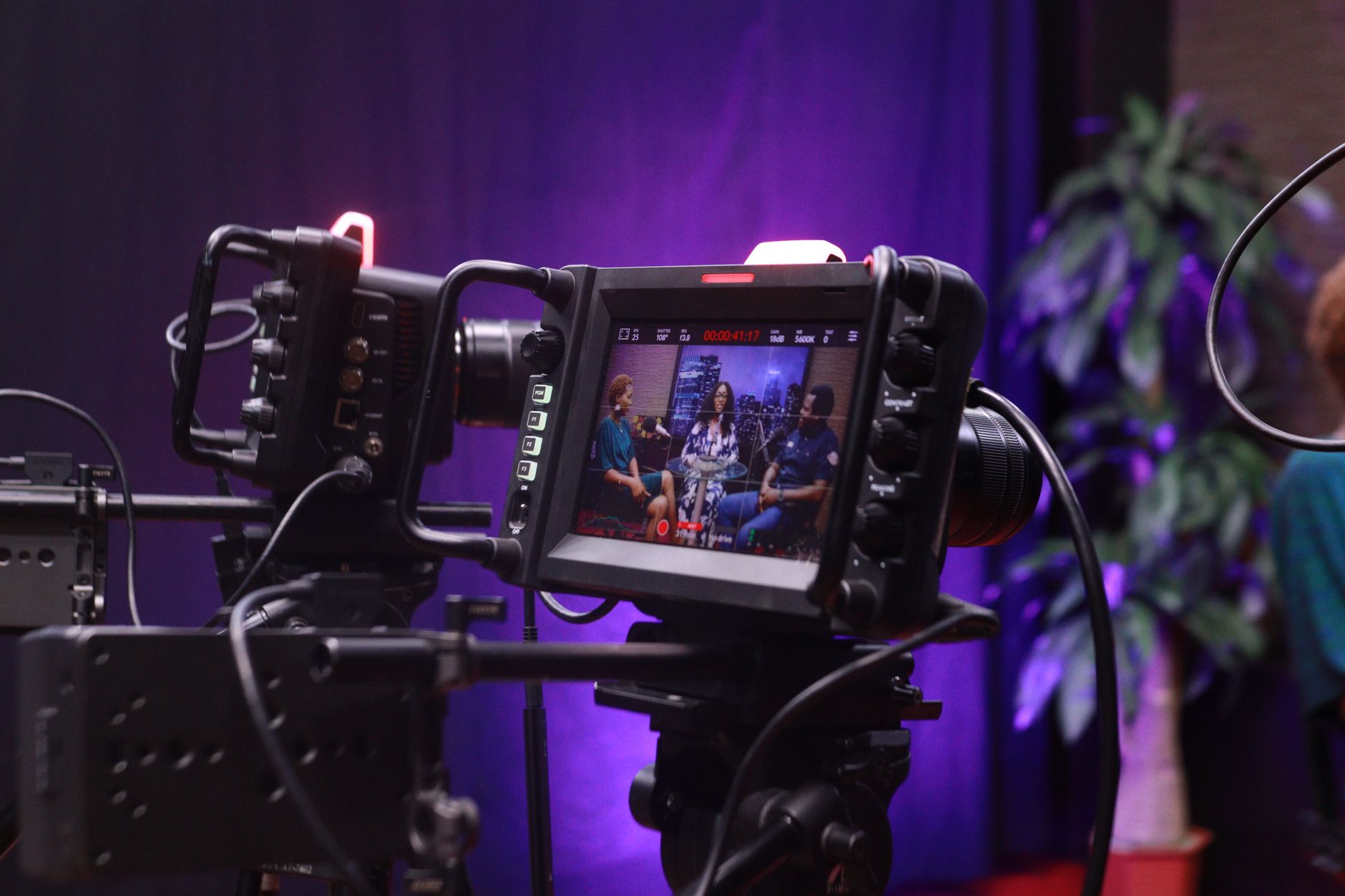
The Rehearsal, Jury Duty, and segments of The Curse use reality TV's signature direct-address confessional—that claustrophobic, over-lit booth where subjects "break the fourth wall." Except now it's deployed with narrative irony, blurring whether participants are aware they're performing. What was once reality's cheap production shortcut has become prestige's most sophisticated metafictional device. The confession booth isn't lowbrow anymore; it's architecture for unreliable narration.
Documentary Aesthetics as Default Drama Language
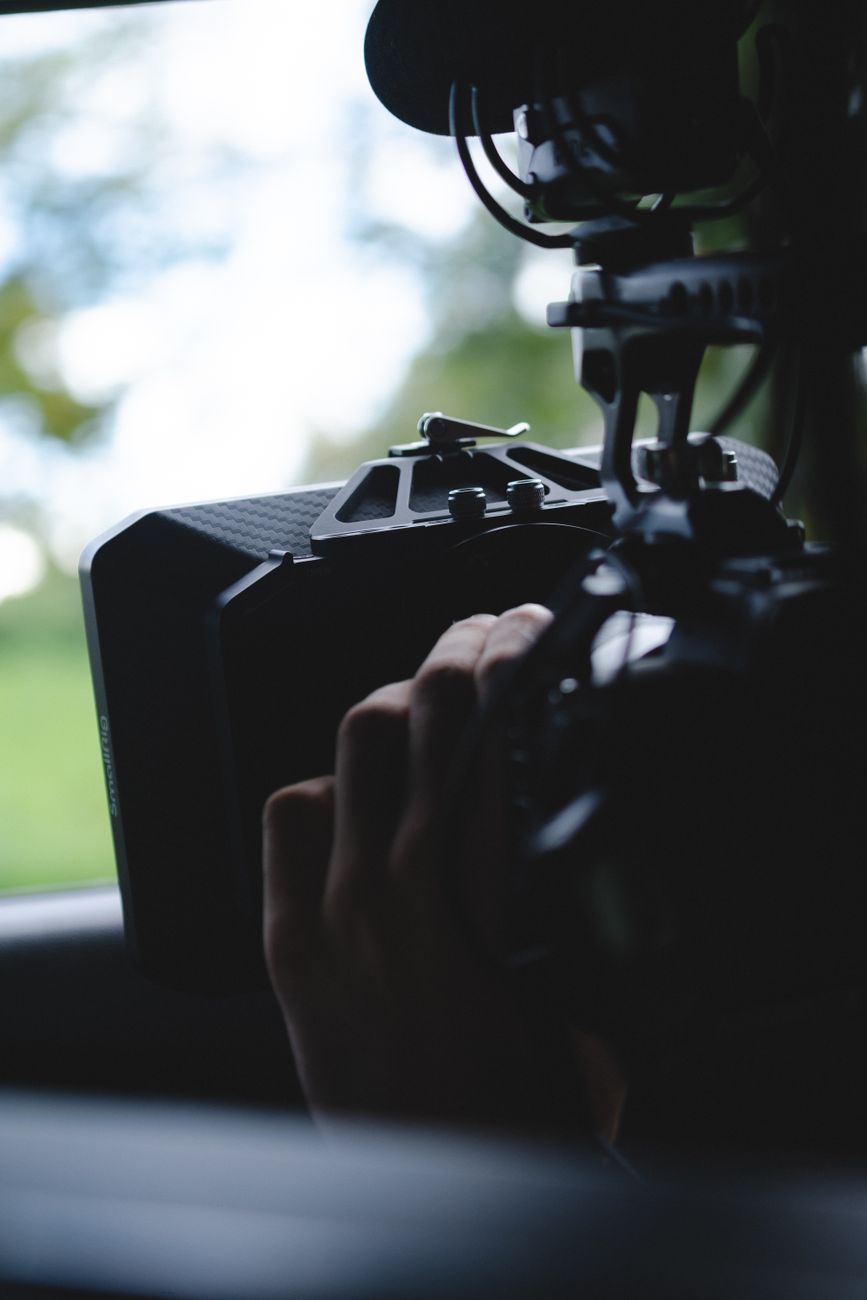
The Bear, Abbott Elementary, and Succession abandoned traditional blocking for handheld, documentary-style camerawork that mimics observational reality programming. Shaky follows, unmotivated zooms, the sense that the camera is "catching" rather than staging moments—this used to signal nonfiction. Now it's the house style of prestige, borrowed wholesale from decades of Real World and Modern Family. Scripted television has adopted reality's claim to authenticity as its aesthetic north star.
Reality TV Develops Novelistic Patience
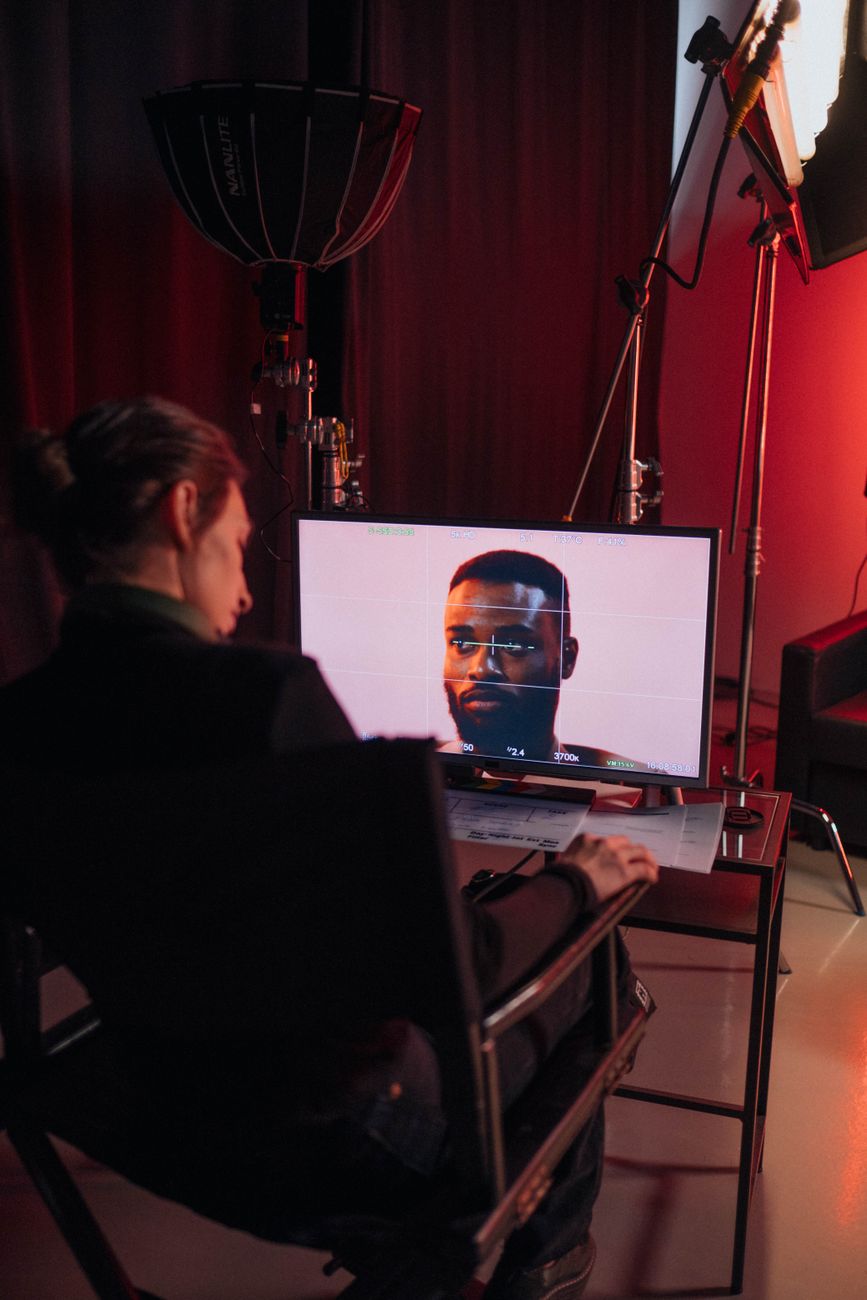
The latest seasons of Love Is Blind and Vanderpump Rules unfold with the slow-burn character development and narrative complexity of a Victorian serial. Story editors now structure episodes with act breaks that rival prestige drama, while confessionals function as interior monologue. What changed: streaming freed reality from the tyranny of weekly format, allowing producers to structure seasons as bingeable psychological studies. The genre learned patience from prestige, then perfected it.
Everyone's Mining Ambient Surveillance Footage
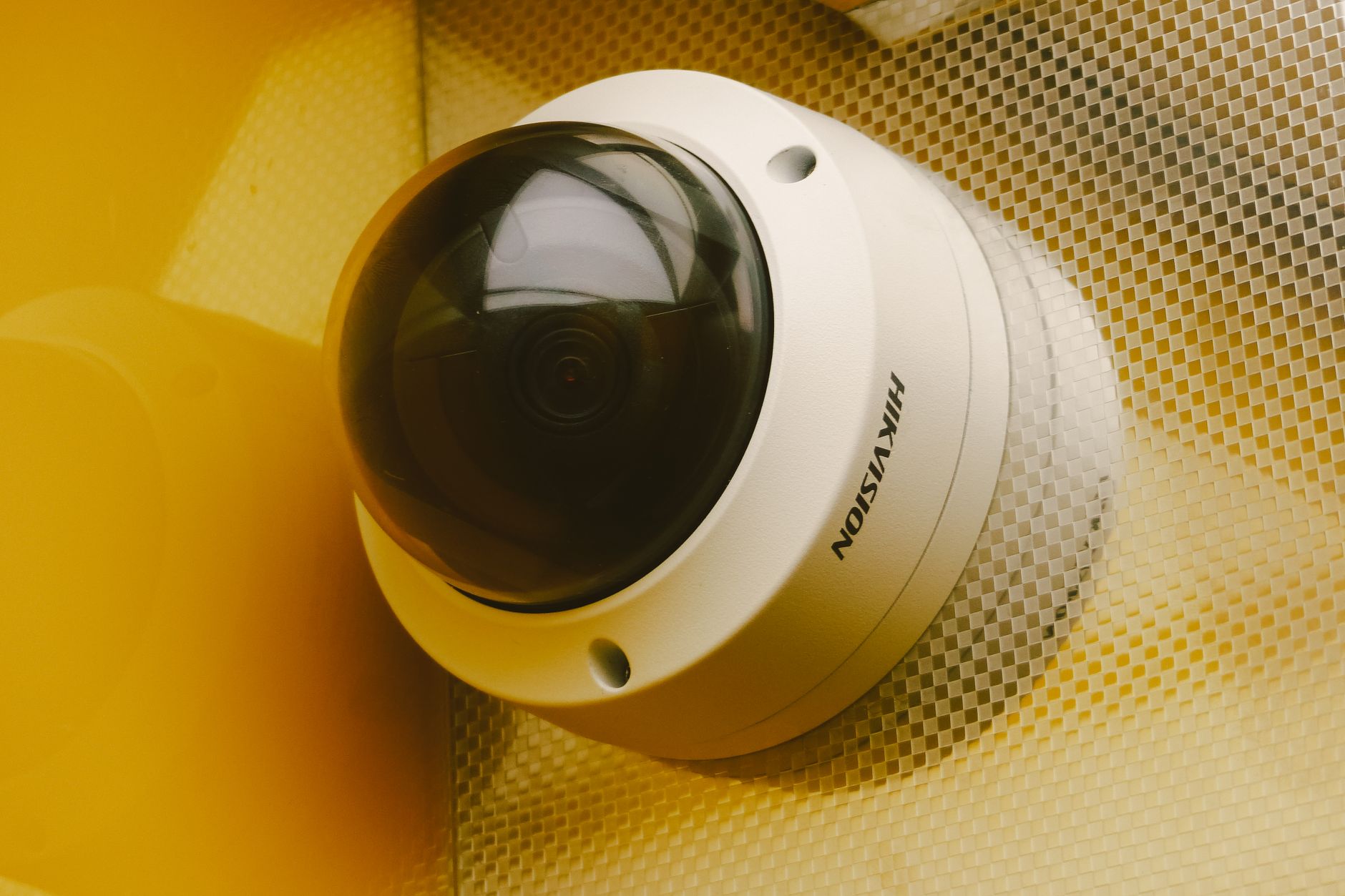
Both The Idol and Love Island rely on static, unmanned "house cameras" that capture peripheral action with Ring doorbell intimacy. Prestige adopted reality's multi-camera, always-recording infrastructure, creating what feels like found footage even when every angle is art-directed. The aesthetic vocabulary of passive observation—grainy night vision, fish-eye lenses, the sense of stumbling onto something unguarded—now belongs to no single genre. Surveillance grammar is simply how we watch people now.
Actors and Civilians Are Functionally Interchangeable
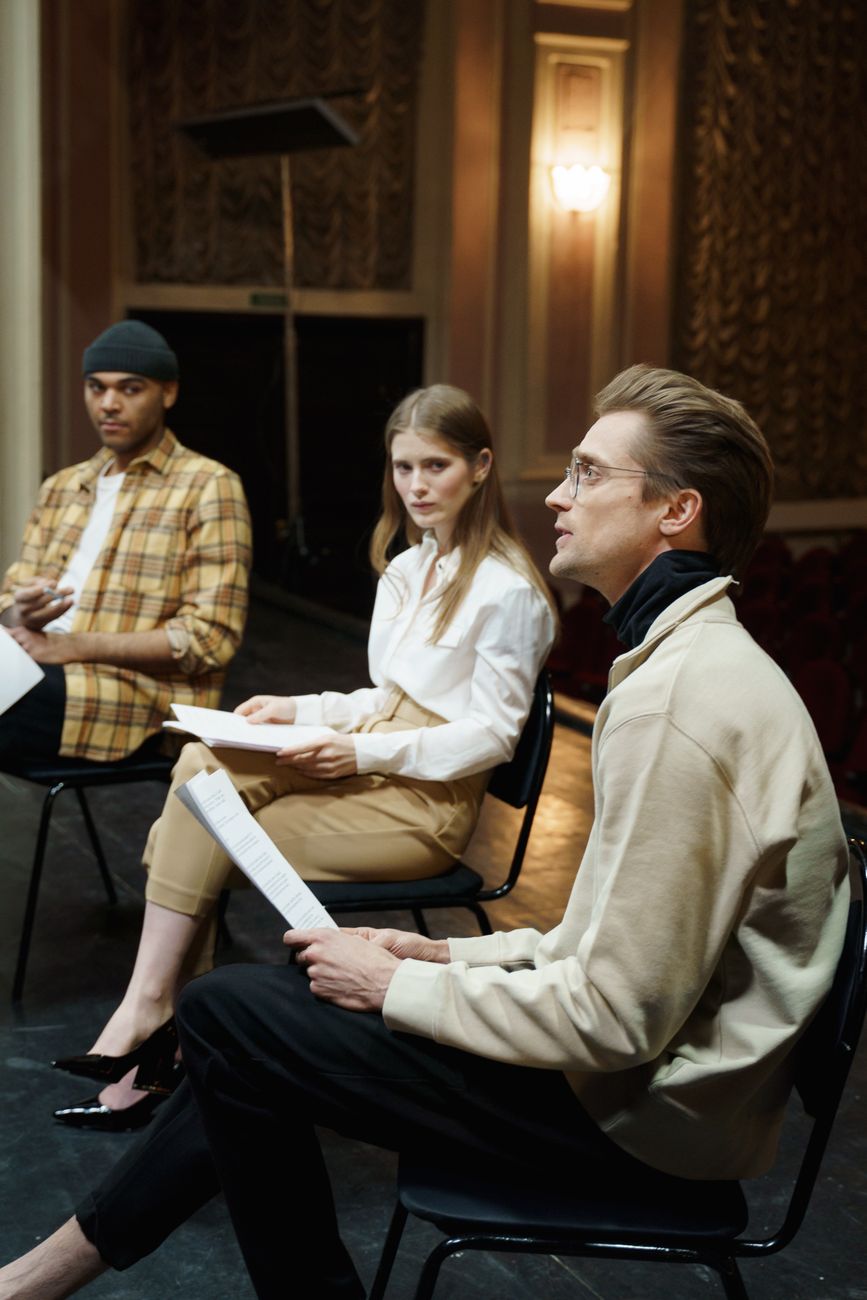
The line between "real people" and performers has disintegrated. Prestige casts TikTok natives and influencers as leads (Euphoria, The White Lotus), while reality contestants approach their screen time with acting-coach precision and publicist-managed personas. Both ecosystems now demand the same skill: believable performance of authenticity. Casting directors for scripted and unscripted shows are pulling from the same pool, because the contemporary talent is someone who can seem real while knowing exactly where the camera is.