Gen Z has discovered that the right soundtrack changes everything. Across TikTok, users are muting iconic film scenes and overlaying them with contemporary music—Charli XCX over *Breakfast at Tiffany's*, Kendrick Lamar under *The Godfather*, hyperpop bleeding into French New Wave. What started as remixing for the algorithm has evolved into something sharper: a generation claiming ownership over cultural artifacts they inherited but never asked for.
This isn't nostalgic pastiche. It's revisionist criticism with a beat drop. By rescoring, Gen Z creators aren't just making old films TikTok-friendly—they're asking whether these stories still hold meaning, whether their emotional register translates, whether they deserve the reverence they've been granted. The rescore movement is both irreverent homage and quiet interrogation, proof that the gap between high culture and scroll culture has finally, irrevocably collapsed.
Emotional retranslation over preservation
Gen Z isn't rescoring to mock—they're searching for emotional resonance in a language they understand. A *Casablanca* goodbye scene feels different under Olivia Rodrigo than it does with Max Steiner's original score, not wrong but recalibrated. These creators treat film scores like obsolete software: functional for their time, but due for an update. The movement suggests that cinematic emotion isn't universal or timeless—it's generationally coded, and every era deserves to feel films on their own terms.
Algorithmic intimacy with canonical cinema
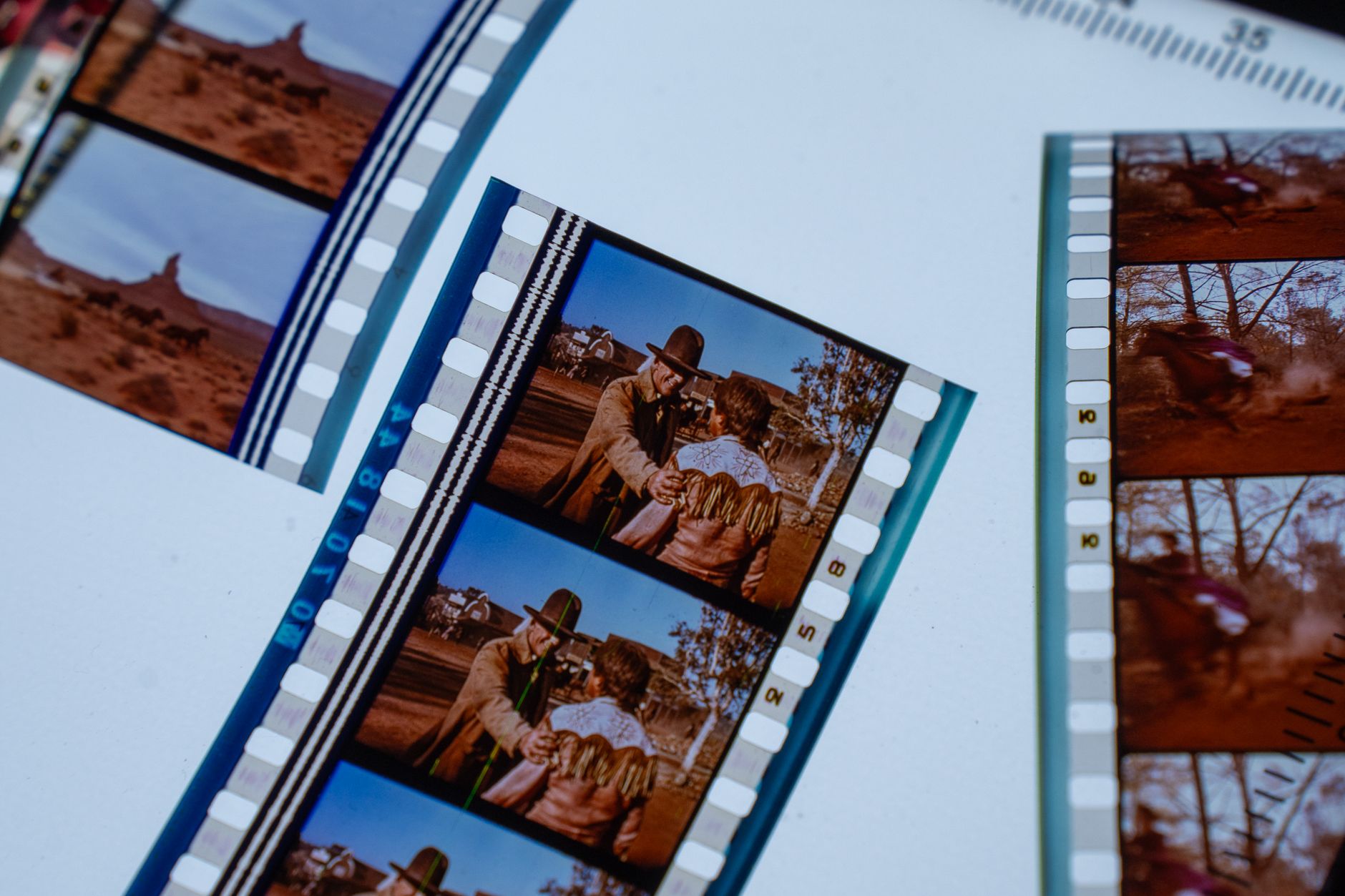
TikTok's rescore trend has accidentally created the most effective film education program Gen Z never enrolled in. To rescore a scene, you have to watch it—really watch it—then engineer its emotional architecture through sound. Users who might never sit through *Citizen Kane* will spend hours perfecting which Playboi Carti track best underscores the Rosebud reveal. The algorithm rewards this labor with virality, transforming canonical cinema from homework into raw material, accessible and endlessly remixable.
Scoring as cultural commentary
The most incisive rescores function as critique without caption. Laying a hyperpop track over a 1950s domestic scene from *All That Heaven Allows* doesn't require explanation—the anachronism itself articulates everything about performative femininity, then and now. Gen Z understands that juxtaposition is argument. By rescoring, they're not destroying context but adding layers of it, using contemporary sound to expose what the original score was designed to make you feel versus what the scene actually shows.
The death of the definitive version
Once a film gets the rescore treatment, its original incarnation becomes just one option among many. There's no authentic *Vertigo* anymore—there's Herrmann's version, the Duster rescore, the one with that viral Yeat track. This isn't sacrilege to Gen Z; it's how culture has always worked for them. They grew up with Spotify playlists, not album sides, with clips instead of episodes. The rescore movement simply applies that same fluid relationship with media to cinema, treating every film as a perpetual work-in-progress rather than a fixed monument.
Soundtracking as social currency
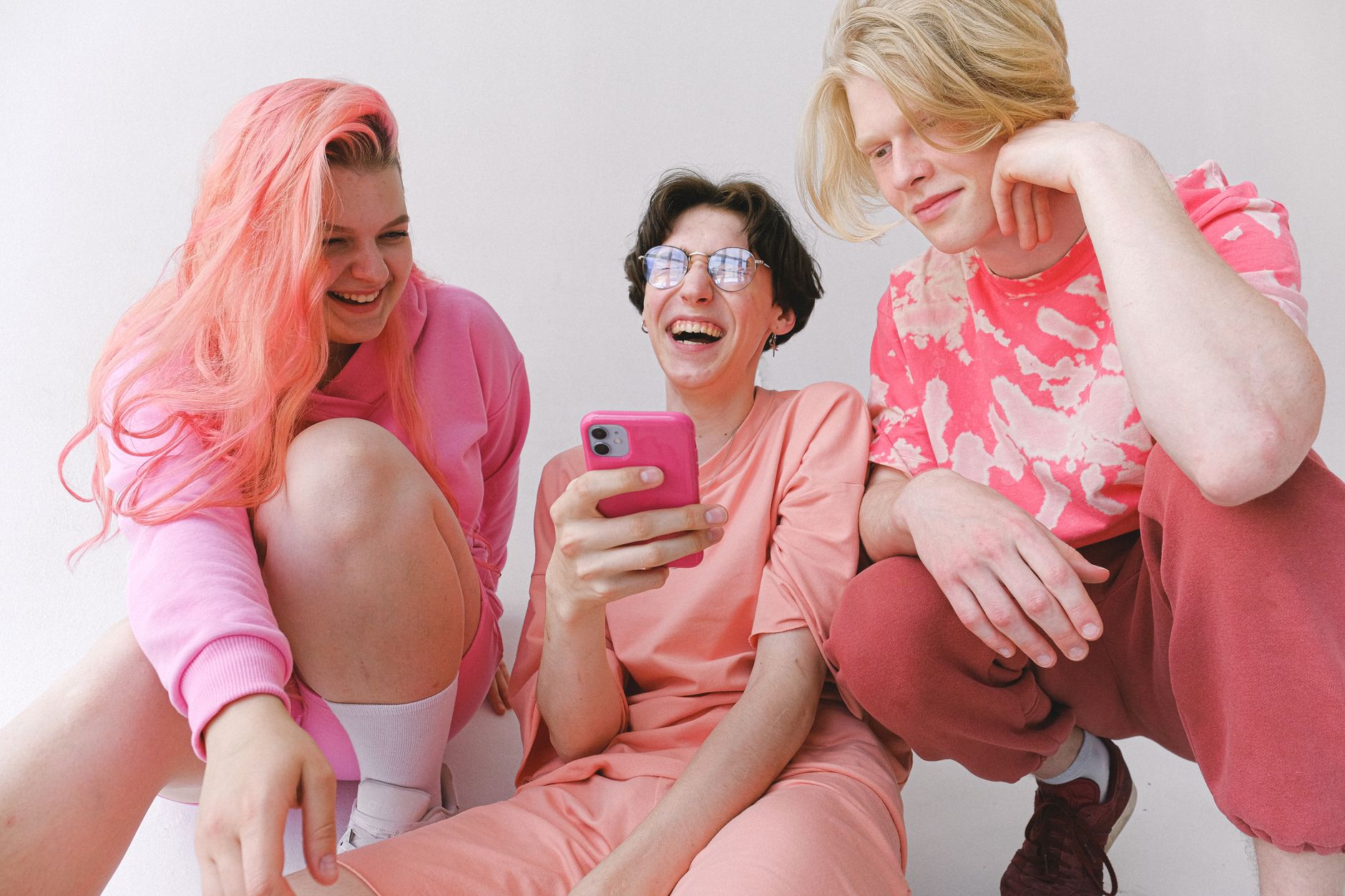
The best rescores spread because they unlock social recognition: you prove you've seen the film, understand contemporary music, and possess the taste to marry them correctly. It's layered signaling. A user who rescores *8½* with 100 gecs signals different cultural fluency than someone doing *The Notebook* with Phoebe Bridgers—both valid, both communicating volumes about identity and aspirational taste. In an era where fewer people share the same media diet, rescoring creates new common ground, a shared language built from the bones of old stories and the pulse of new sound.