Overhead lighting is out. The harsh, unforgiving glare of ceiling fixtures has been replaced by something gentler: table lamps. Scroll through any Gen Z apartment tour and you'll notice the same thing—pools of warm light, strategically placed on nightstands, desks, and floor corners. This isn't just about illumination. It's about mood, identity, and rejecting the clinical brightness that defined previous generations' homes.
The table lamp has become an unlikely cultural marker, one that signals taste, intentionality, and a particular kind of digital fluency. Here's what's driving the shift.
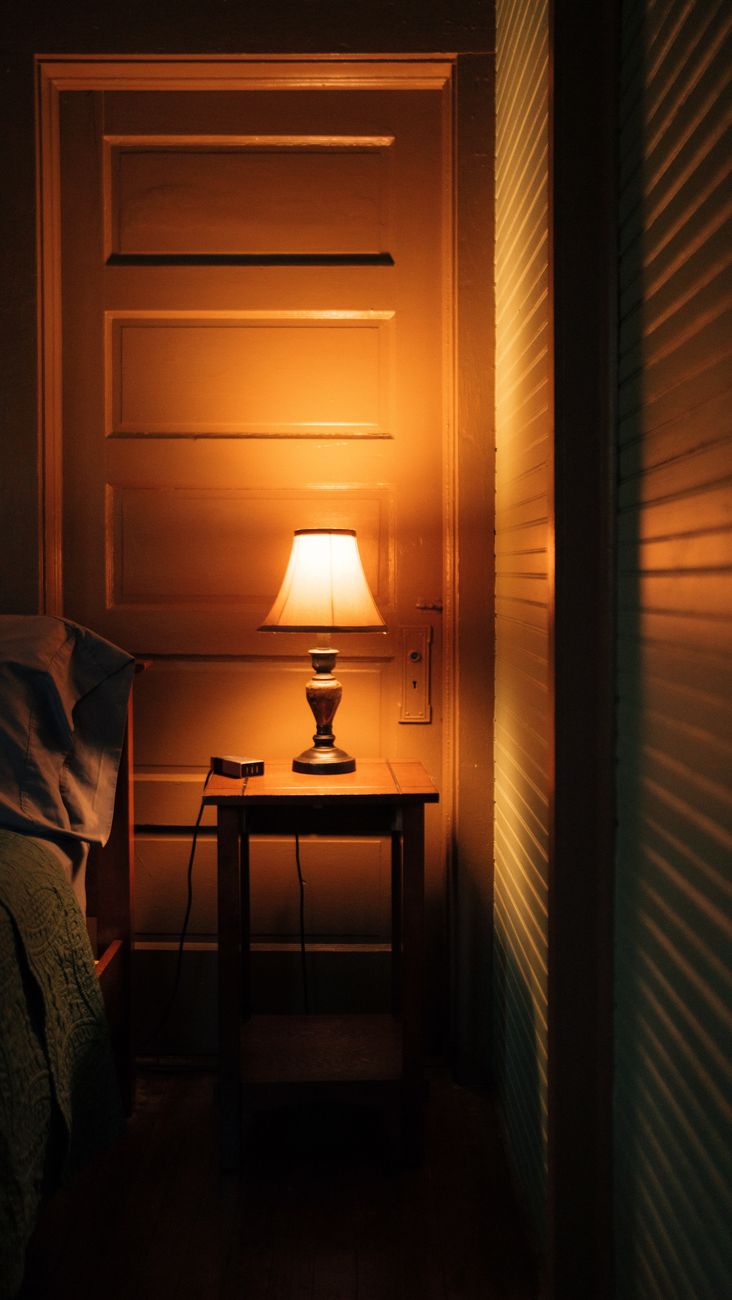
Ambient lighting became content currency
The rise of table lamps directly correlates with the rise of bedroom studios. Gen Z doesn't just live in their spaces—they film in them. TikTok tutorials, Instagram Stories, even Zoom calls demand flattering light, and overhead fixtures are notoriously unflattering. A well-placed lamp creates depth, warmth, and that coveted "golden hour" effect without the hassle of ring lights. The lamp isn't just functional; it's a production tool that doesn't look like one.

Mushroom lamps became the millennial beige of Gen Z
If you've seen one curved, sculptural mushroom lamp, you've seen a thousand—and that's precisely the point. These lamps, often in cream or terracotta, signal belonging to a specific aesthetic tribe. They're affordable enough to access but design-forward enough to demonstrate taste. The mushroom lamp is less about originality and more about fluency in a visual language that spans from urban one-bedrooms to suburban childhood rooms undergoing their third renovation.
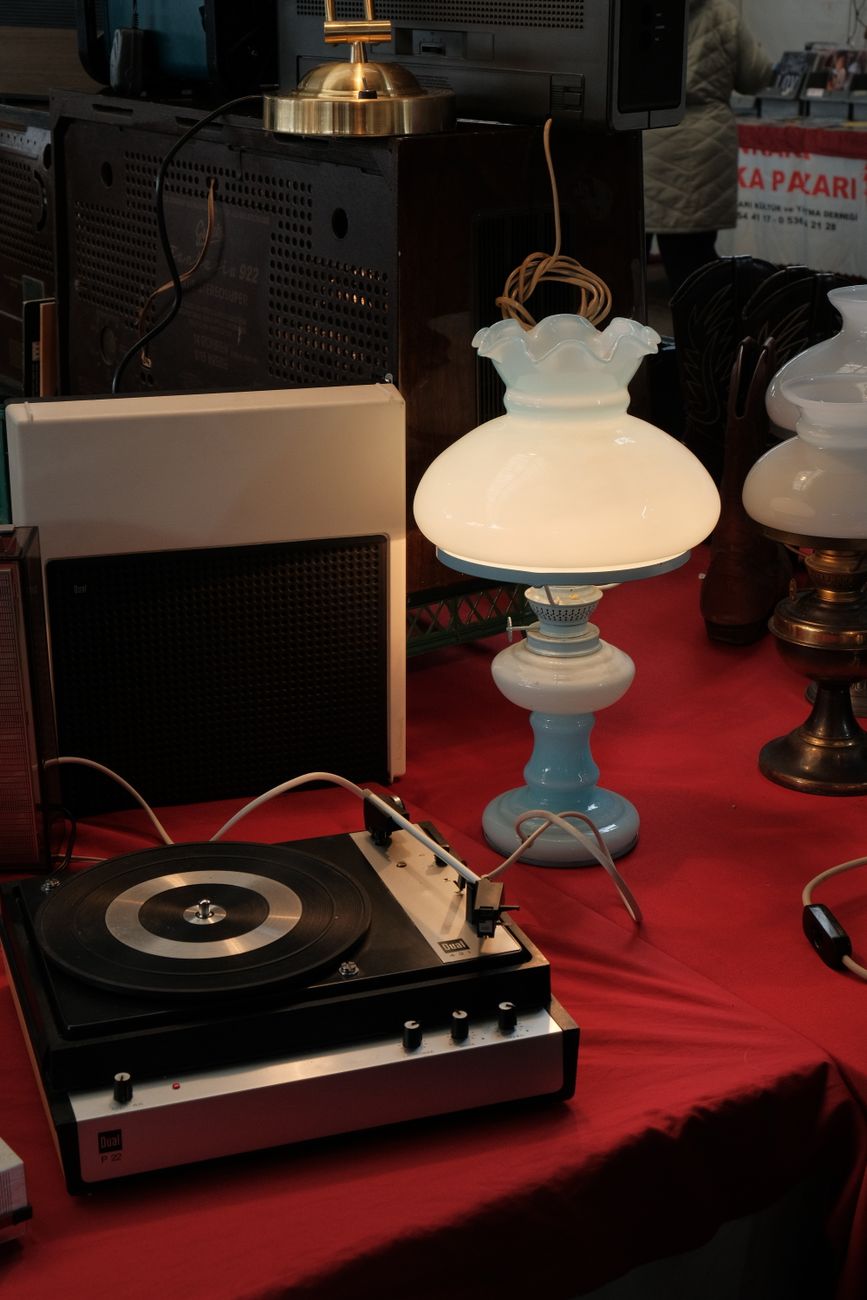
Thrifting turned lamps into personality proxies
For a generation hyper-aware of mass production's environmental cost, the vintage table lamp offers redemption and distinction in one object. Finding a 1970s brass lamp or a kitschy ceramic base isn't just shopping—it's curating an identity that can't be replicated by someone else's Amazon cart. The thrifted lamp becomes proof of effort, taste, and values, all while serving as a conversation starter that mass-market options simply can't provide.

Rejecting overhead lighting became a wellness flex
Younger generations have adopted "no big light" as both a practical preference and a philosophical stance. Overhead lighting is aggressive, unnatural, overstimulating—everything this cohort has been conditioned to avoid. Table lamps offer control over ambiance and align with the broader wellness culture that prioritizes nervous system regulation, intentional environments, and rejecting the default settings inherited from previous generations. Choosing softer light becomes a form of self-care that's visible, shareable, and deeply intentional.

Lamps signal permanent adulthood in impermanent spaces
In an era of rental instability and delayed homeownership, the table lamp represents one of the few design investments that travels well. Unlike built-in fixtures or furniture too large for frequent moves, a lamp is portable proof of having graduated from bare bulbs and string lights. It's a declaration that even if the lease is temporary, the commitment to living well isn't. The table lamp becomes a marker of adult taste that doesn't require adult money or permanence.