The cultural authority once held by professional critics—those gatekeepers with bylines and credentials—is crumbling. In its place: a WhatsApp thread, a text storm, a Discord channel buzzing with opinions from people whose taste you actually trust. When your friend drops a three-word review at 11pm, you're more likely to act on it than a thousand-word think piece published that morning.
This shift isn't about anti-intellectualism. It's about speed, specificity, and knowing your source. Your group chat knows you ordered the same thing for three years straight and finally branched out. They know you cried during a car commercial. Their recommendations come pre-calibrated to your exact sensibility, delivered in real-time, with zero pretense. Professional critics are writing for everyone; your friends are writing for you.
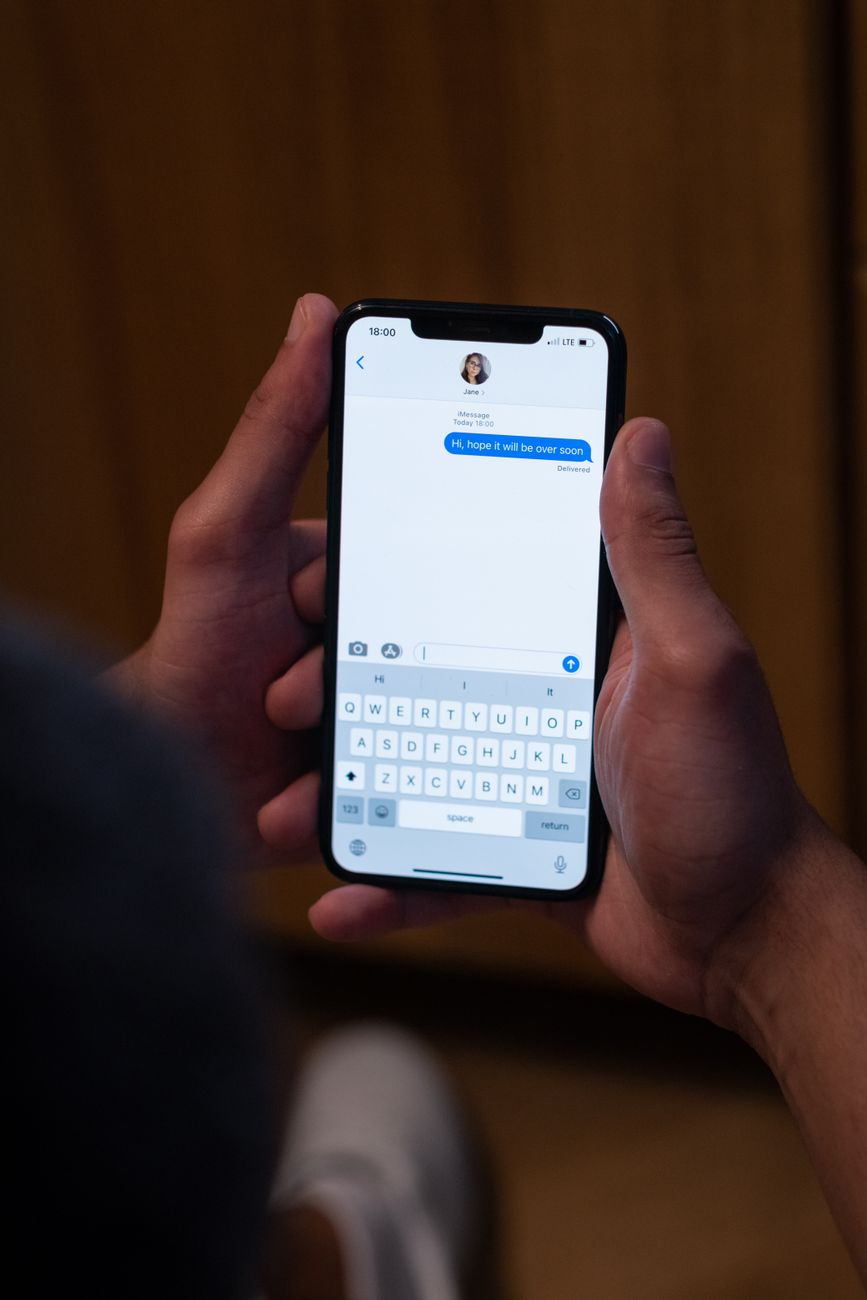
The 30-Second Verdict Replaces the 2,000-Word Review
Nobody's waiting until morning to read a measured analysis when their friend just walked out of the theater. The group chat verdict arrives while credits roll: "don't bother," "actually insane," "you'd hate it but I loved it." These compressed reactions carry more weight than longform criticism because they're immediate, honest, and come with context you can't get from a stranger. Your friends know whether you're the type to appreciate slow cinema or need things to explode every fifteen minutes.

Taste Profiles Matter More Than Credentials
Professional critics bring expertise; your friends bring precedent. You've watched them get excited about things you ended up loving, or rave about restaurants you found mediocre. That history creates a personalized reliability score no Rotten Tomatoes percentage can match. When someone in your chat says a new album is "very you," they're operating from years of data about your actual preferences, not theoretical taste hierarchies. Credentials can't compete with that kind of calibration.

The Algorithm Learned From Group Dynamics
Streaming platforms and recommendation engines have figured out what friend groups knew instinctively: clusters of similar taste predict behavior better than individual profiles. Netflix doesn't just track what you watch—it tracks what people like you watch, essentially recreating group chat dynamics at scale. But the original is still more effective. Your friends' recommendations come with nuance, contradictions, and the ability to say "this is bad but you'll be obsessed," something no algorithm has mastered.

Trust Collapsed, Intimacy Won
Media institutions lost authority while personal networks gained it, and cultural consumption followed. When you don't trust legacy gatekeepers to be honest about conflicts of interest or authentic in their enthusiasm, you turn to people whose motives you understand completely. Your friend isn't getting paid to like that new restaurant, isn't angling for access, isn't performing expertise. They're just telling you whether the pasta was worth thirty-eight dollars. That transparency is worth more than any publication's editorial standards.

FOMO Became a Participatory Sport
Group chat criticism isn't just about guidance—it's about shared experience in real-time. When everyone's reacting to the same show simultaneously, commenting as they watch, the conversation becomes part of the entertainment. Professional reviews are solitary and conclusive; group chat reactions are communal and evolving. You're not just getting a recommendation, you're getting a live event. Missing that moment means missing the jokes, the collective gasps, the inside references that'll circulate for months. The review is the experience now.