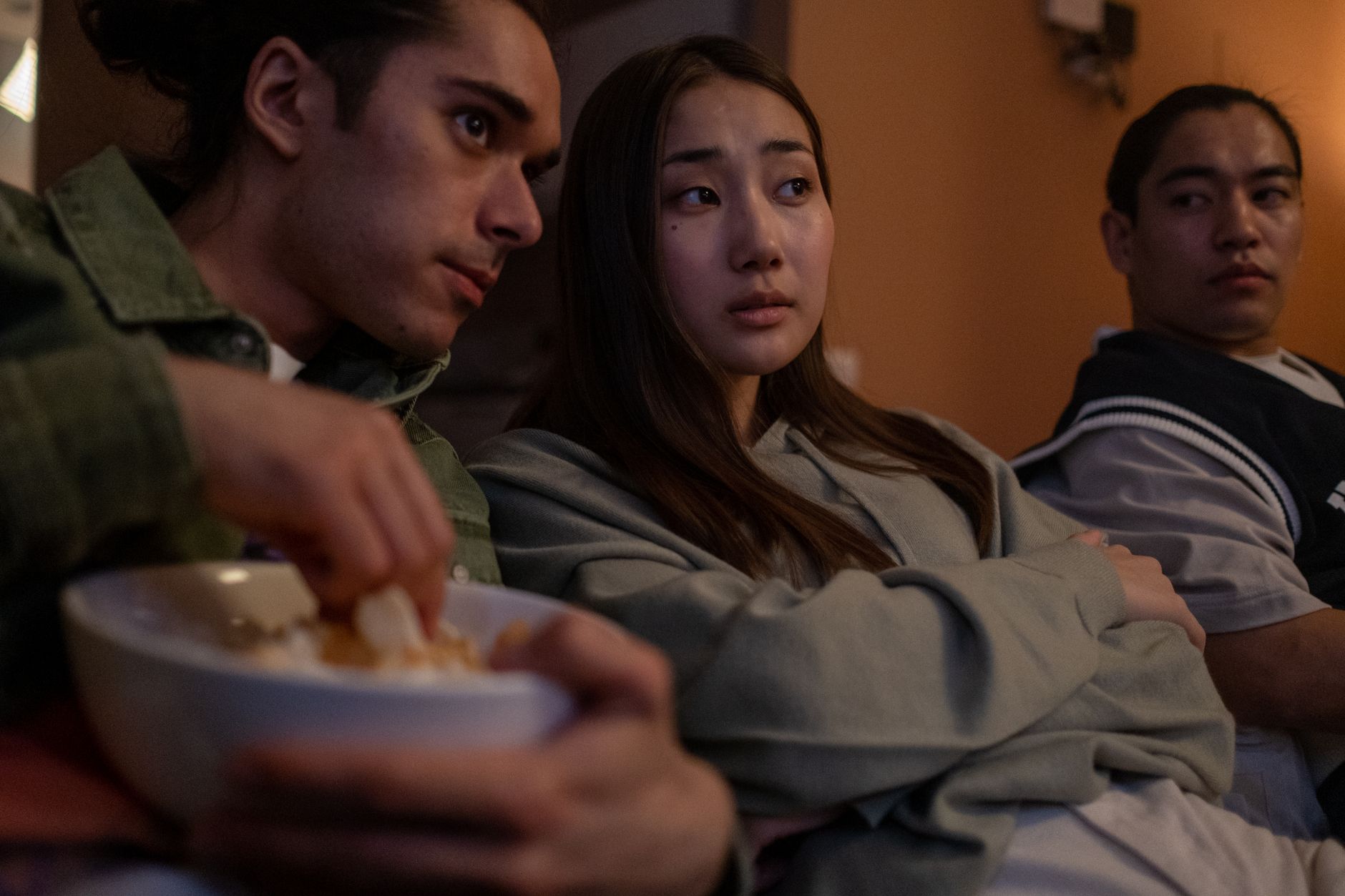
Karaoke has shed its dive bar origins and emerged as a designed experience worth documenting, booking weeks in advance, and spending real money on. The worse you sound, the better the aesthetic—provided the room has the right lighting.
This isn't about singing well. It's about performing authenticity in spaces that charge by the hour and come with call buttons for bottle service. Bad vocals have become the point, wrapped in velvet, neon, and the kind of production value previously reserved for activities people are actually good at.
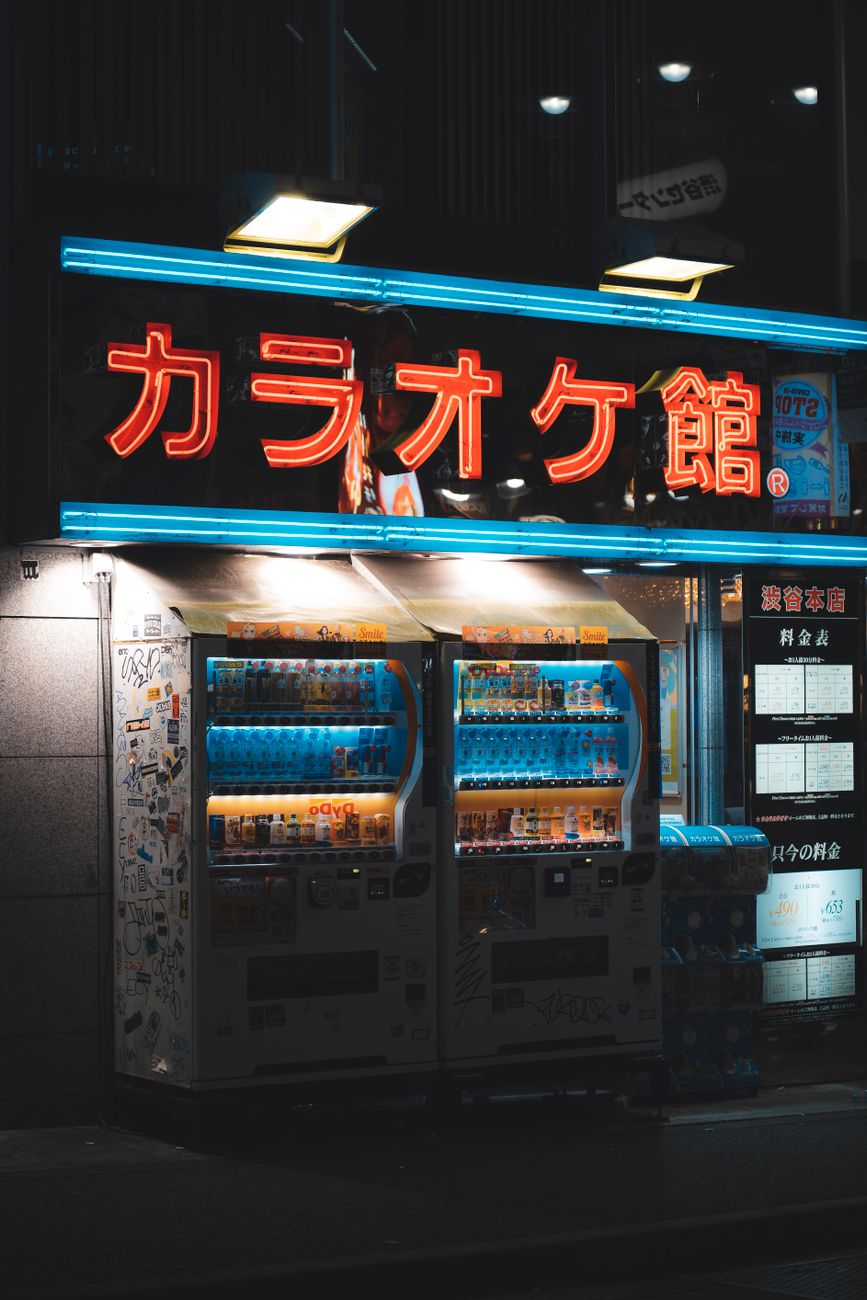
Private karaoke rooms are the new dinner reservation
High-end karaoke venues in major cities now operate on the reservation model of exclusive restaurants, with rooms that cost $150-$400 for two hours. The appeal isn't the singing—it's the controlled environment where you can perform vulnerability without actual risk. These spaces understand that people will pay a premium for the illusion of spontaneity, as long as the furniture photographs well and strangers can't hear them butcher Fleetwood Mac.
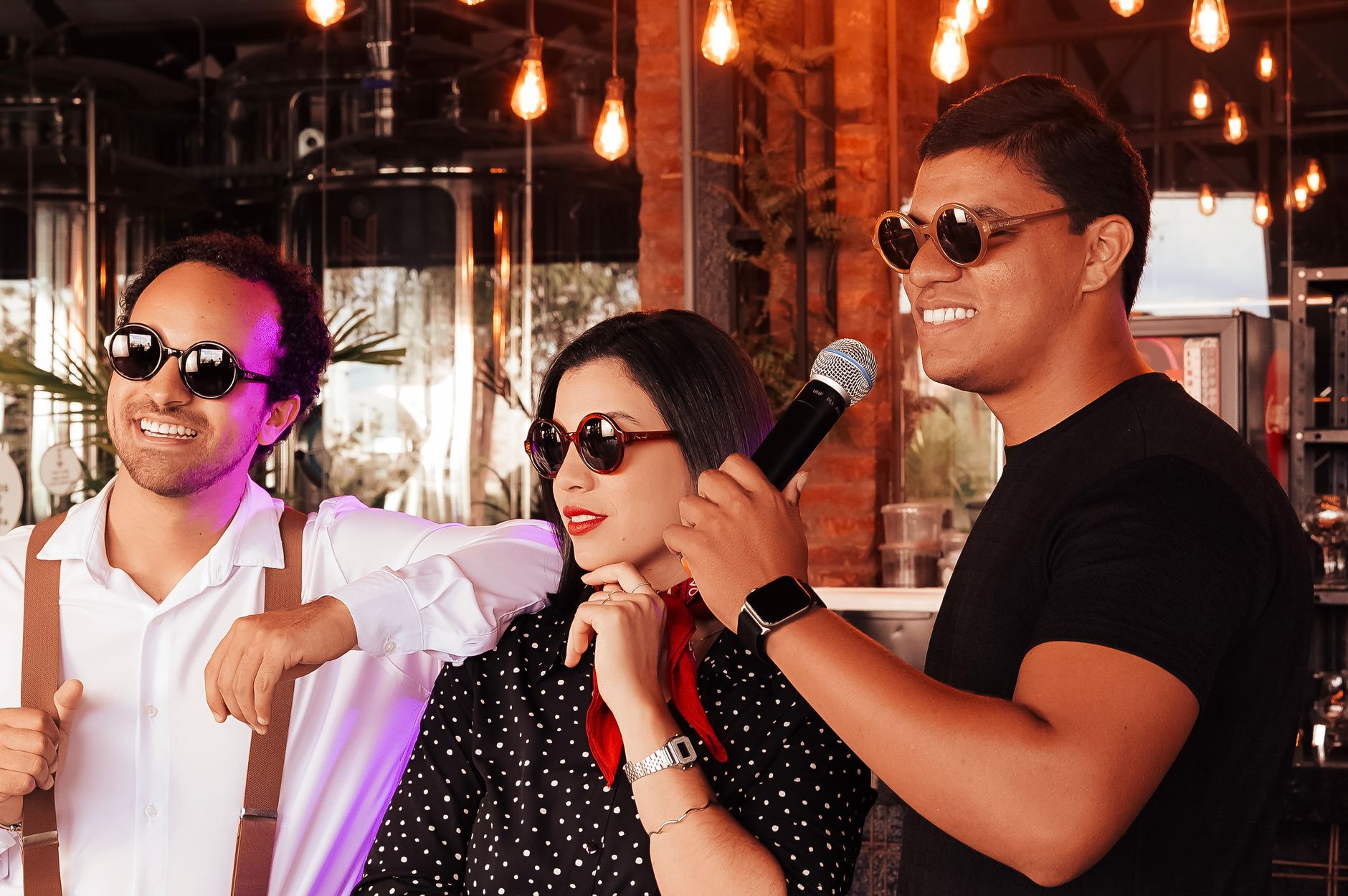
Lo-fi vocals as status signaling
Being confidently terrible at karaoke has become a display of social capital. It signals you're secure enough not to care about competence, privileged enough to treat performance as leisure rather than labor. The cultural shift positions off-key renditions as more authentic than polished vocals—ironic, given that this 'authenticity' now requires booking fees, themed rooms, and professional sound systems to broadcast your calculated lack of skill.

Instagram made karaoke a set, not a stage
Karaoke venues have transformed into content studios, designed with ring lights, neon signs, and maximalist decor that guarantees visual interest regardless of audio quality. The experience is reverse-engineered for social documentation—rooms are small enough for intimate phone footage, lighting is flattering enough to soften the cringe, and the entire setup exists to make you look like you're having more fun than you are. Singing is just the alibi for the location shoot.

Corporate karaoke as team-building theater
Companies have adopted high-end karaoke for off-sites and team events, rebranding forced fun as 'psychological safety exercises.' The logic: if employees can bomb 'Total Eclipse of the Heart' in front of their director, they can speak up in meetings. It's performative vulnerability on a schedule, where being bad at something meaningless supposedly translates to being honest about things that matter. The karaoke room becomes a stage for corporate authenticity theater, complete with budget line items and Slack recaps.
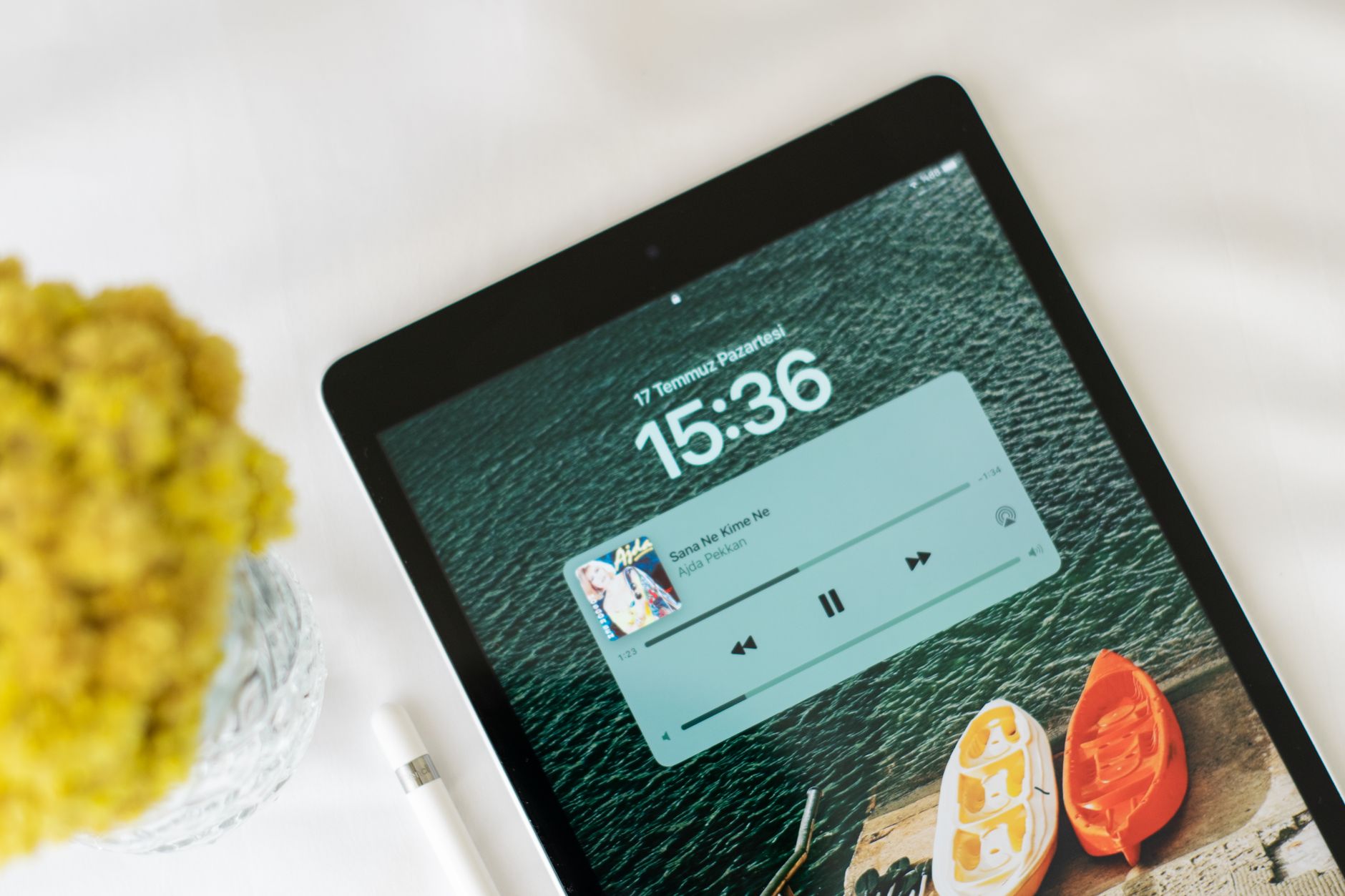
Curated playlists killed spontaneous song choice
The venues leading this shift offer not just rooms but curated song catalogs—pre-selected tracks organized by vibe, era, or aesthetic rather than alphabetically by artist. This turns song selection into another designed moment, removing the chaotic folder-flipping of traditional karaoke in favor of something that feels considered. You're not just picking a song; you're selecting from a menu that someone decided matched the room's energy. Even musical spontaneity now comes with editorial oversight.