When did we stop hanging curtains and start installing window treatments? The terminology creep happened quietly, migrating from designer showrooms into big-box stores, HGTV scripts, and eventually the group chat about your friend's renovation. This isn't linguistic pedantry—it's the professionalization of domestic space, where every surface demands a strategy and every decision carries aesthetic consequence.
The curtain-to-treatment evolution maps onto a broader shift: homes are no longer places you simply furnish, they're environments you optimize. What's actually happening behind the rebranding of fabric panels, and what does it reveal about how we live now?

The HGTV-ification of Basic Vocabulary
Property television turned everyone into amateur specifiers. When hosts started saying "window treatments" with the gravity previously reserved for structural engineering, viewers absorbed the lexicon. The phrase implies intentionality—treatments suggest problem-solving, medical precision, architectural consideration. Curtains just... hang there. The shift isn't about what's on the window; it's about positioning yourself as someone who approaches their home with professional rigor, even if you're just buying readymade panels from West Elm.
Layering as Complexity Signaling
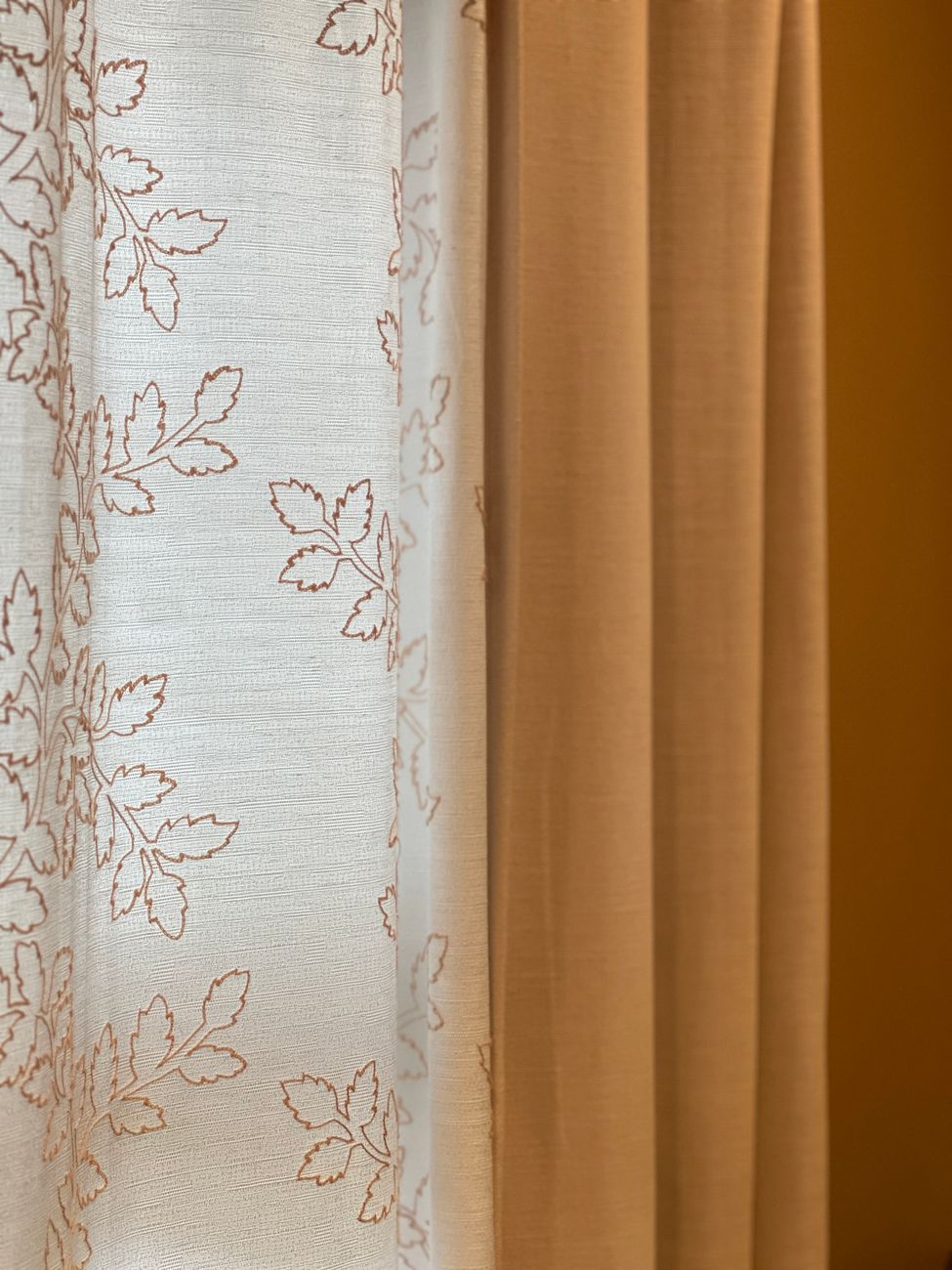
"Window treatments" accommodates what curtains cannot: the stack. Romans under sheers under drapes, motorized shades behind linen panels, cellular blinds with decorative valances. This multiplication of function—light filtering, privacy control, insulation, aesthetics—requires a plural noun that conveys system thinking. You don't "treat" a window with one solution anymore than you'd address skin with a single product. The language validates the expenditure, the consultation, the three different rods.

The Airbnb Aesthetic Arms Race
Short-term rental culture introduced homeowners to hospitality standards: blackout capability, privacy gradations, brand-neutral style that photographs well. "Window treatments" became the catch-all for this engineered versatility. Your guests expect darkness at noon and diffused light at seven—curtains suggest decoration, treatments suggest infrastructure. The professionalization of private space for semi-public consumption requires vocabulary that matches the ambition.

Smart Home Integration Demanded New Language
Once windows entered the IoT ecosystem, "curtains" sounded quaint. Motorized shades, app-controlled opacity, circadian-responsive fabrics—these are treatments in the literal sense, responsive interventions rather than static decoration. The language shifted to accommodate technology that curtains, etymologically speaking, couldn't support. You don't automate curtains, you integrate window treatment systems. The gadget required the rebrand.
Energy Efficiency as Lifestyle Credential
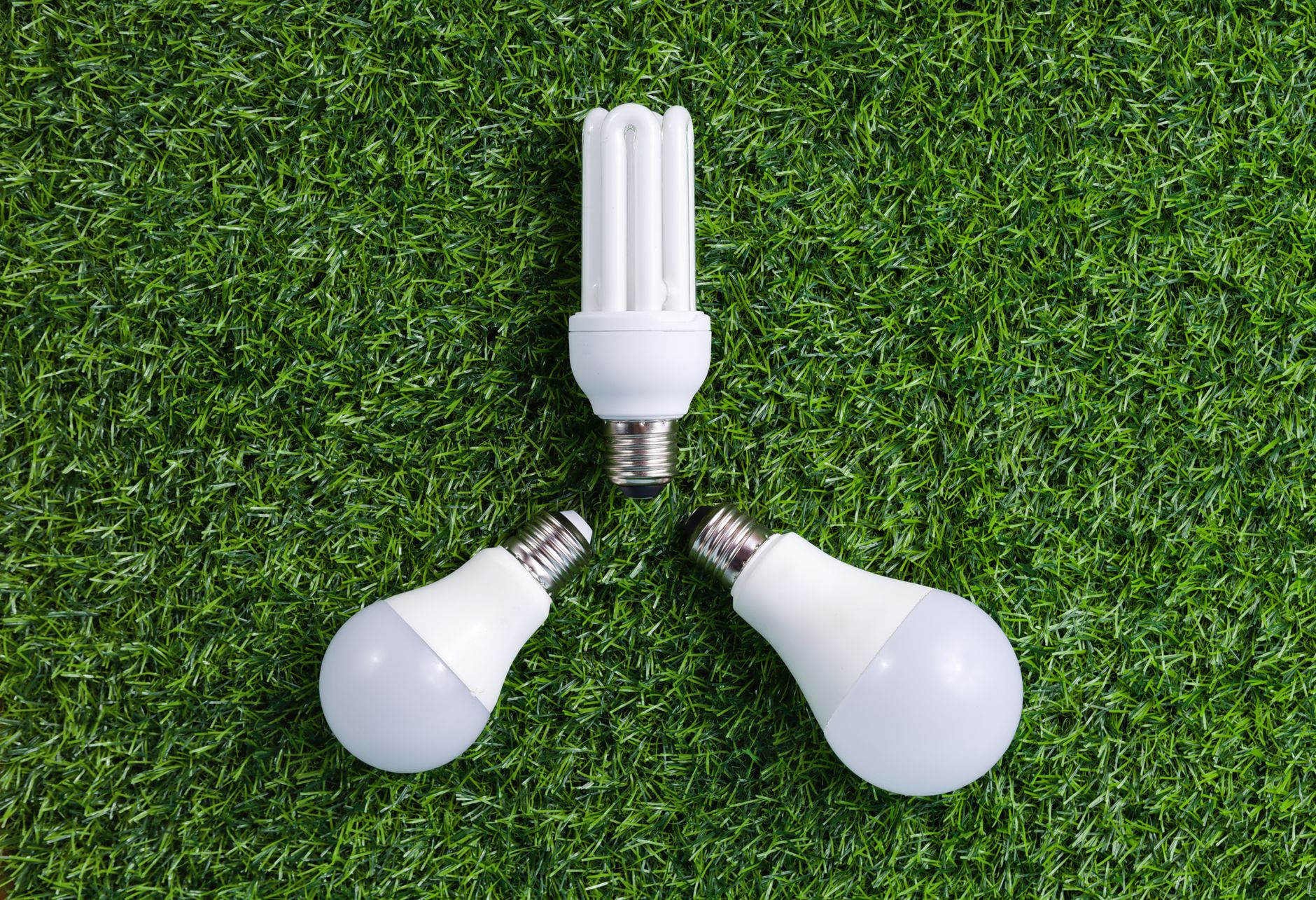
Thermal performance, UV protection, insulation R-values—window coverings became environmental gestures that deserve specialized terminology. "Treatments" implies remediation, fixing the heat loss and glare problems that curtains merely obscured. Sustainability virtue requires technical language; you're not decorating, you're reducing your carbon footprint through informed material choices. The semantic upgrade validates the cost premium for honeycomb shades that do something beyond looking acceptable.

The Death of Matching Sets
Curtains came in pairs, matching, flanking. Window treatments acknowledge that no two windows in a contemporary home demand the same solution—the bedroom needs blackout, the kitchen needs moisture resistance, the living room needs architectural drama. The plural "treatments" gives permission for inconsistency, for customization by room, by exposure, by function. It's the linguistic equivalent of admitting that one-size-fits-all domesticity is over. Every window is a separate design problem now.
Instagram Made Installation Content-Worthy
"We're getting window treatments" sounds like a project worth documenting. "We bought curtains" does not. The language shift coincided with domestic upgrades becoming shareable lifestyle content—treatments imply process, expertise, transformation. They come with consultants and installers and reveal moments. The terminology elevates what could be mundane purchasing into something that warrants the before-and-after carousel, the swipe-through of fabric samples, the completion post tagged with seven brands.

Aspirational Jargon for Middle-Market Upgrades
Big-box retailers adopted "window treatments" because it allows them to charge more for the same rods and fabric while positioning customers as sophisticated. The department isn't "curtains," it's "window treatment solutions"—suddenly you're not shopping, you're solving. This linguistic inflation makes Bed Bath & Beyond feel like a design studio. The average buyer gets to use insider language without hiring an actual insider, purchasing the terminology along with the product. It's affordable expertise, semantic gentrification of the home goods aisle.
- The HGTV-ification of Basic Vocabulary
- Layering as Complexity Signaling
- The Airbnb Aesthetic Arms Race
- Smart Home Integration Demanded New Language
- Energy Efficiency as Lifestyle Credential
- The Death of Matching Sets
- Instagram Made Installation Content-Worthy
- Aspirational Jargon for Middle-Market Upgrades