Somewhere between the pandemic home renovation boom and the rise of #CleanTok, the laundry room underwent a quiet revolution. What was once a forgotten corner for detergent bottles and mismatched socks has emerged as the home's newest status symbol—a space where Scandinavian minimalism meets boutique hotel aesthetics, where task lighting gives way to statement pendants, and where doing laundry somehow became an experience worth designing around.
This isn't about efficiency or organization hacks. It's about elevating the most mundane domestic ritual into something worth photographing, something that signals you've moved beyond basic utility into aspirational living. The message is clear: if you have the space and budget to make laundry beautiful, you've arrived.
Seating Areas Turn Chores into Rituals
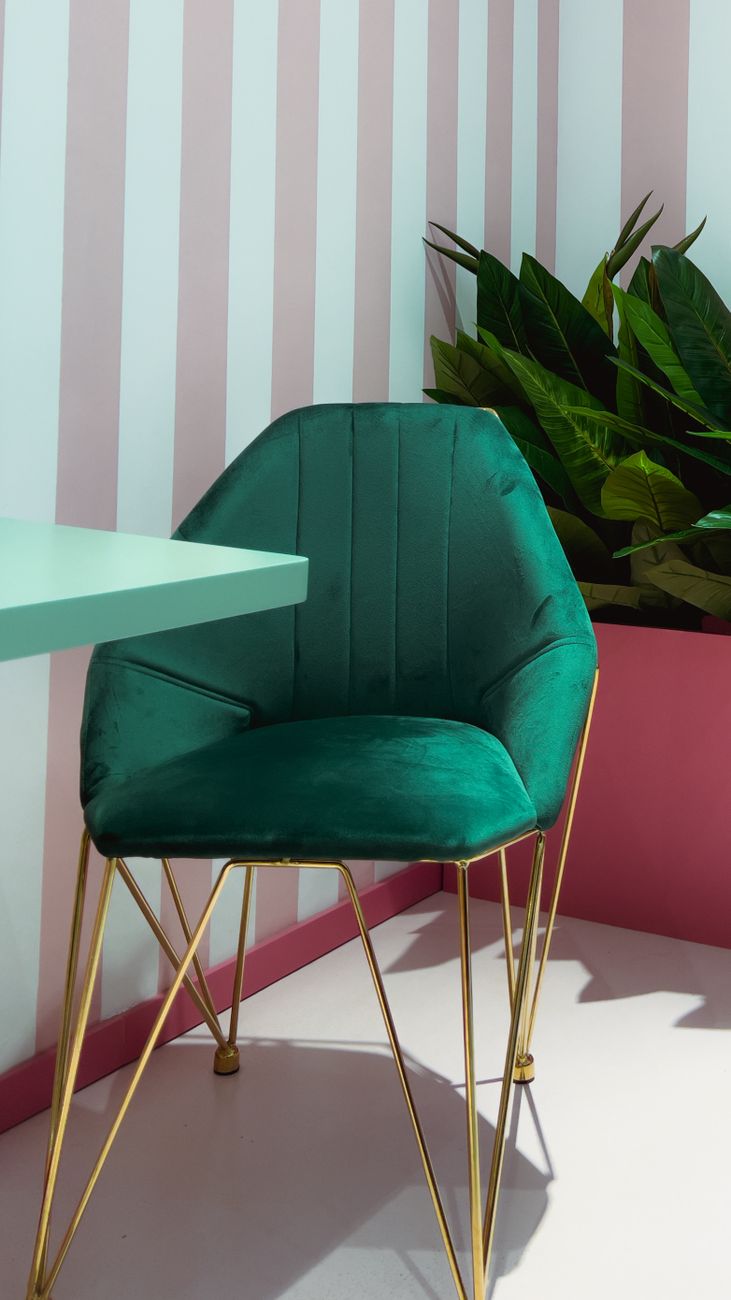
Upholstered benches, vintage stools, even full reading chairs are appearing in high-end laundry rooms with startling frequency. This isn't practical—no one needs to sit while transferring clothes from washer to dryer. But that's precisely the point. The seating signals that this room transcends function, that you might linger here with a coffee, folding cashmere while bathed in natural light. It transforms labor into leisure, or at least performs that transformation convincingly enough for the 'gram.

Gallery Walls Legitimize the Space
Original artwork in the laundry room represents a particular flex: proof that every surface in your home merits curation, that beauty penetrates even the service spaces. Abstract prints in custom frames, vintage botanical illustrations, even small sculptures on floating shelves—these choices declare that no room is too utilitarian for aesthetic consideration. The laundry room gallery wall says you have enough art (and enough rooms) that some pieces can live where guests will never see them.
Appliances Disappear Behind Cabinetry
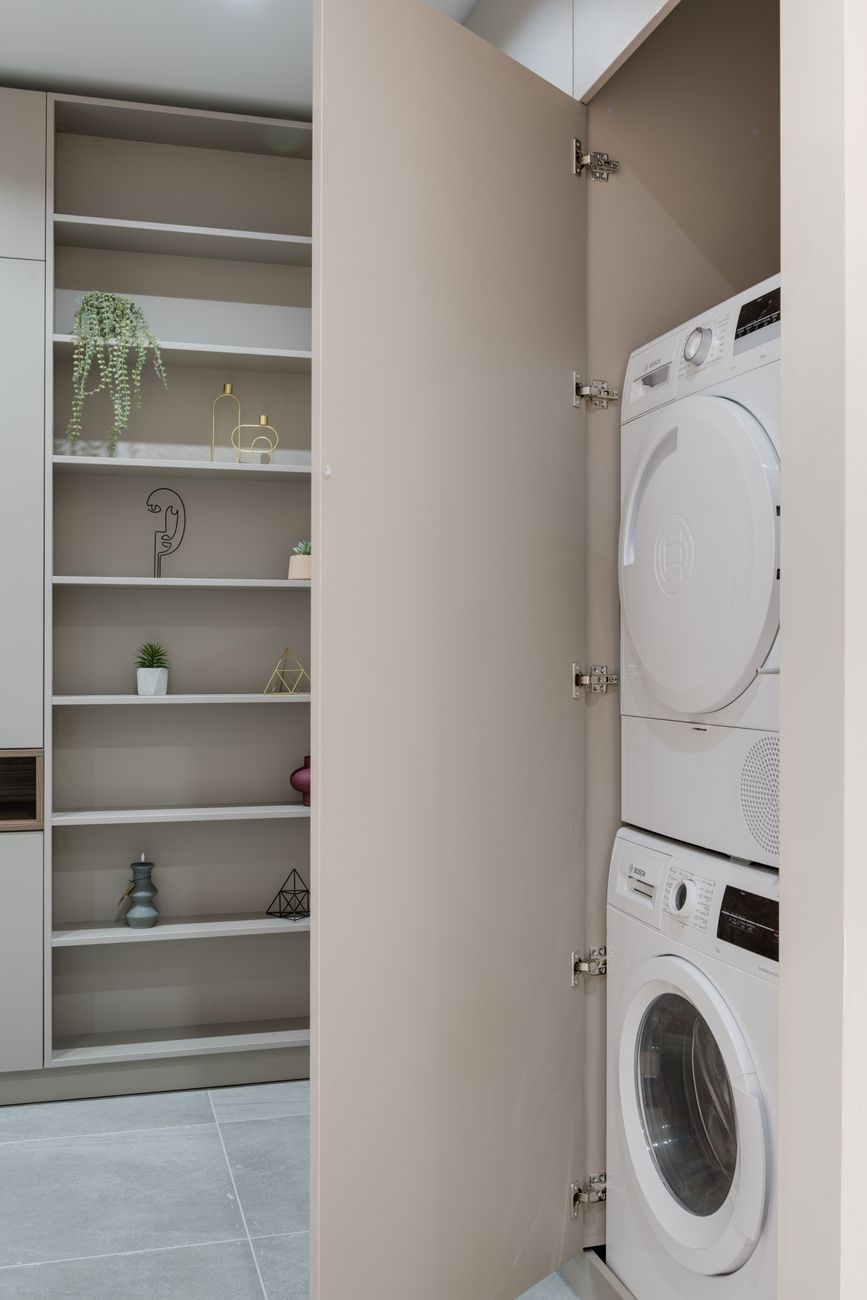
The most expensive laundry rooms are the ones where you can't immediately identify them as laundry rooms. Custom millwork conceals appliances behind panel-ready facades, creating the illusion of a butler's pantry or chic storage room until you open the right door. This architectural sleight of hand costs thousands and accomplishes something specific: it erases the visual language of domestic work, replacing it with the seamless surfaces of wealth. Function becomes invisible; design becomes everything.
Natural Materials Replace Plastic Utility
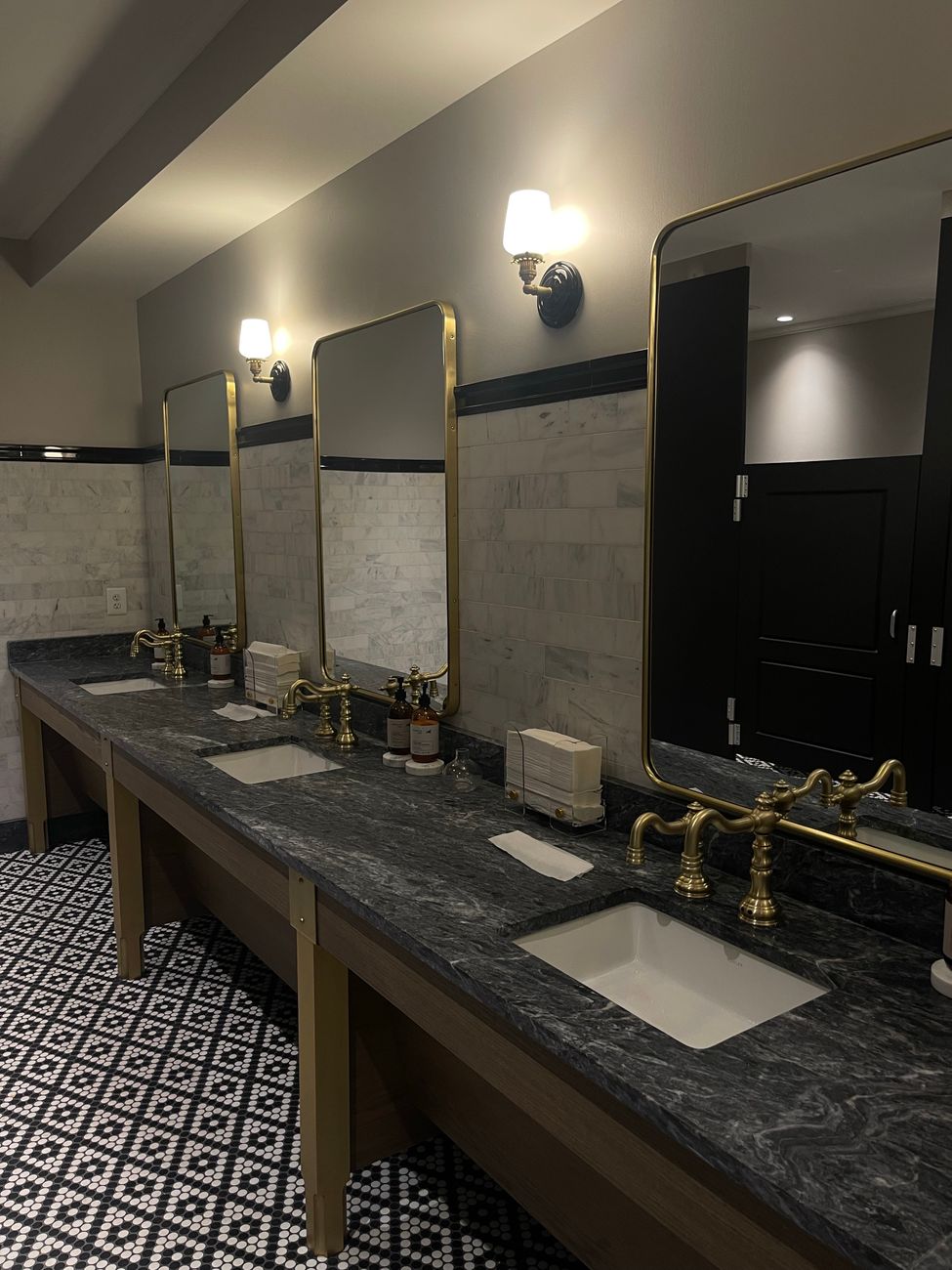
Carrara marble countertops for folding. Brass hardware on custom cabinetry. Terracotta tile underfoot. The material palette of luxury laundry rooms deliberately mirrors primary living spaces, rejecting the plastic bins and wire shelving that once defined the category. These choices carry significant price tags and ongoing maintenance—marble stains, brass patinas, terracotta cracks—but that's rather the point. Choosing impractical beauty over durable utility is a luxury position, one that signals you have the resources to maintain what you've built.
The Room Reflects Post-Pandemic Home Values
This trend crystalized during a moment when home became everything: office, gym, restaurant, refuge. The laundry room elevation speaks to a broader shift in how we value domestic space when we can't escape it. If you're spending this much time at home, every room should spark some joy or signal some status. The Instagram-ready laundry room emerged not from practicality but from a desire to make every corner of domestic life feel intentional, designed, worth the investment. It's aspiration meeting exhaustion, manifesting as subway tile and pendant lighting.