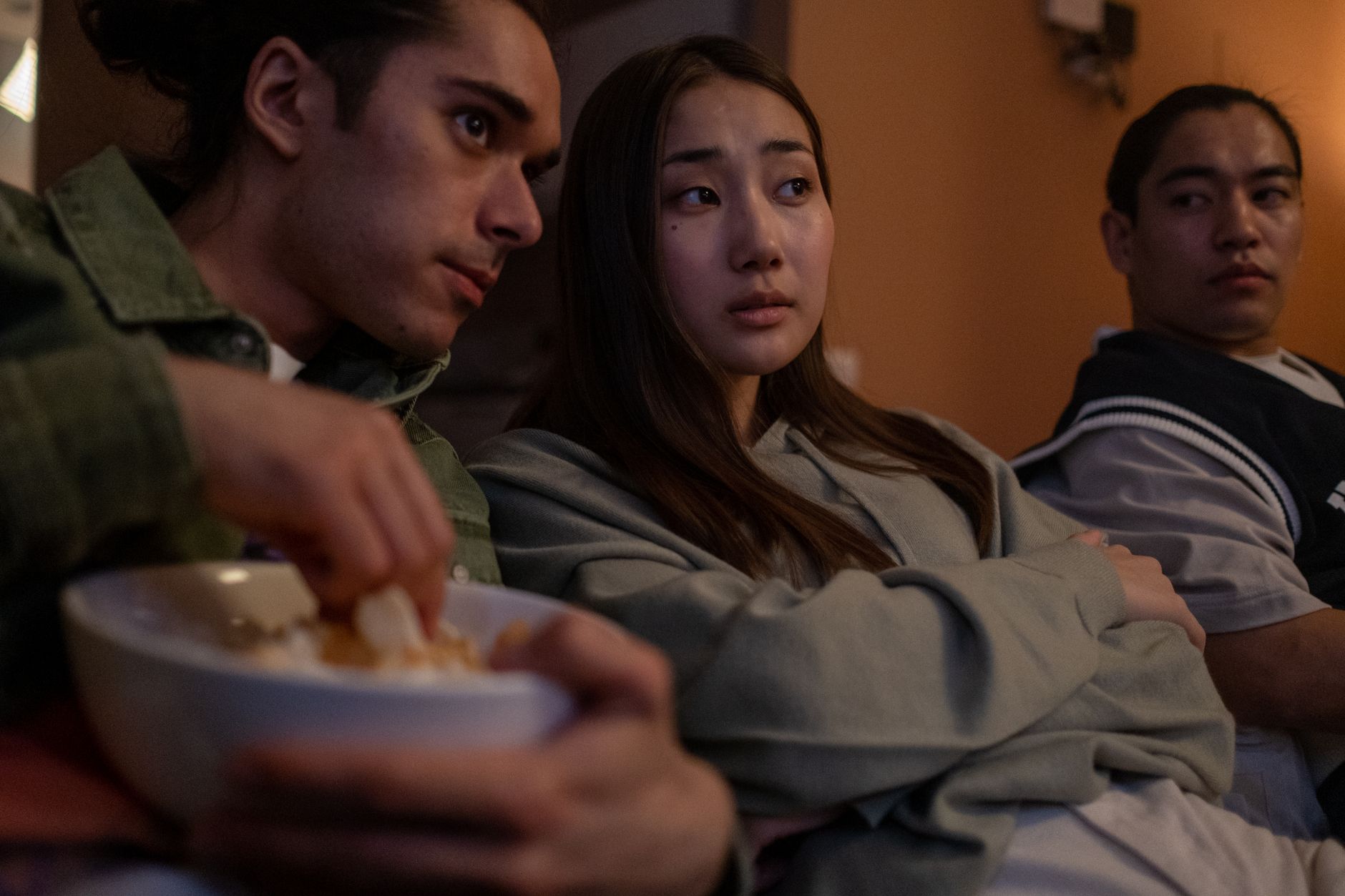
The quiet dinner is dead. In its place: fog machines, synchronized plating choreography, and waiters who double as performers. Restaurants have transformed from feeding grounds into full-blown theatrical productions, where every course comes with pyrotechnics and a side of performative mystique.
This isn't just about Instagram. It's a fundamental shift in how we value dining—less about sustenance, more about spectacle. The meal has become secondary to the show, and diners are willing to pay premium prices for the privilege of being an audience member with a fork.
Chef's Counter Worship
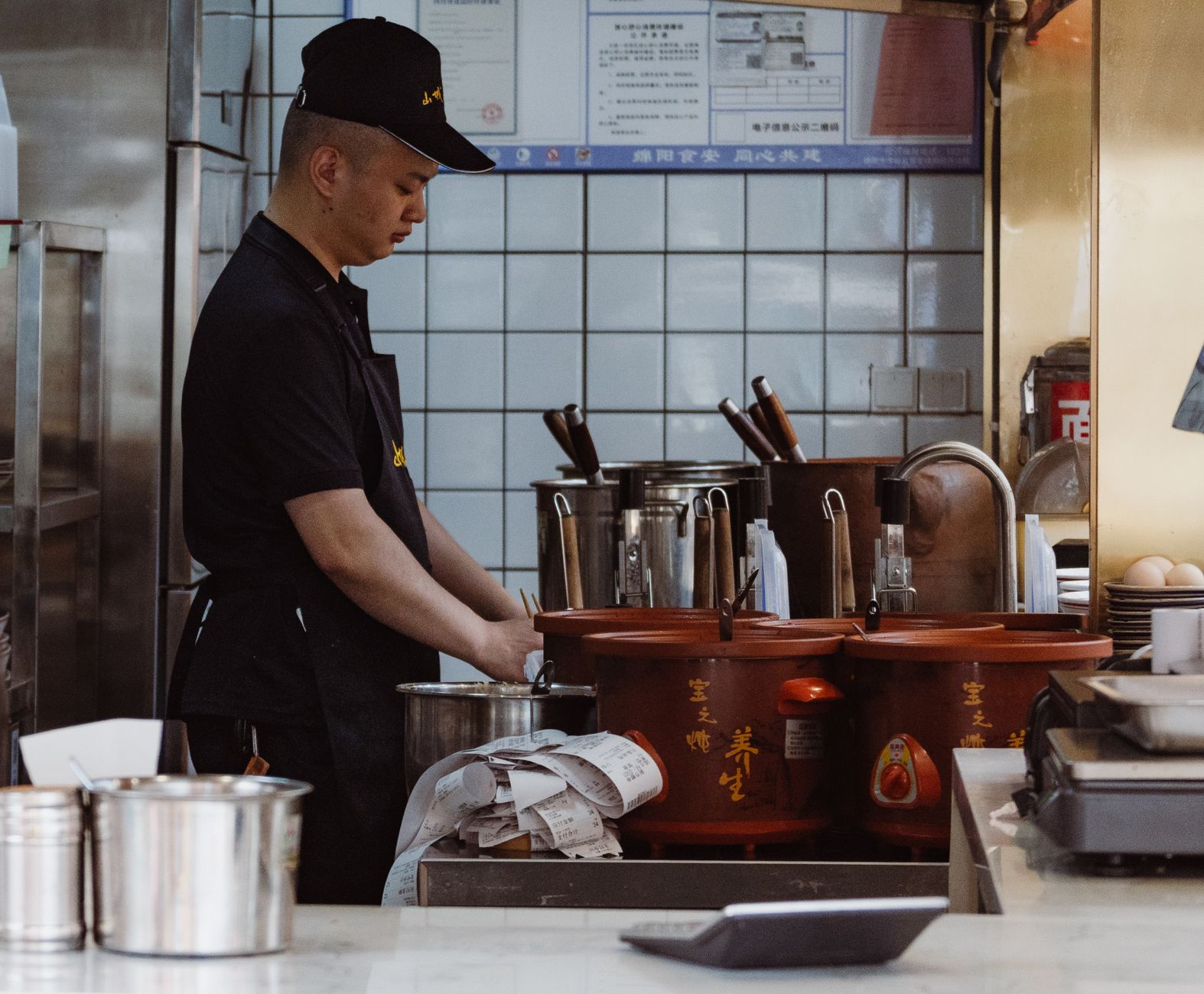
The kitchen is no longer hidden. Chef's counters have become front-row seats to culinary theater, with reservations booked months in advance for the privilege of watching someone blowtorch your scallop. Chefs have morphed into performers, timing every gesture for maximum drama. The food? Almost secondary to the proximity to genius.
Tableside Everything
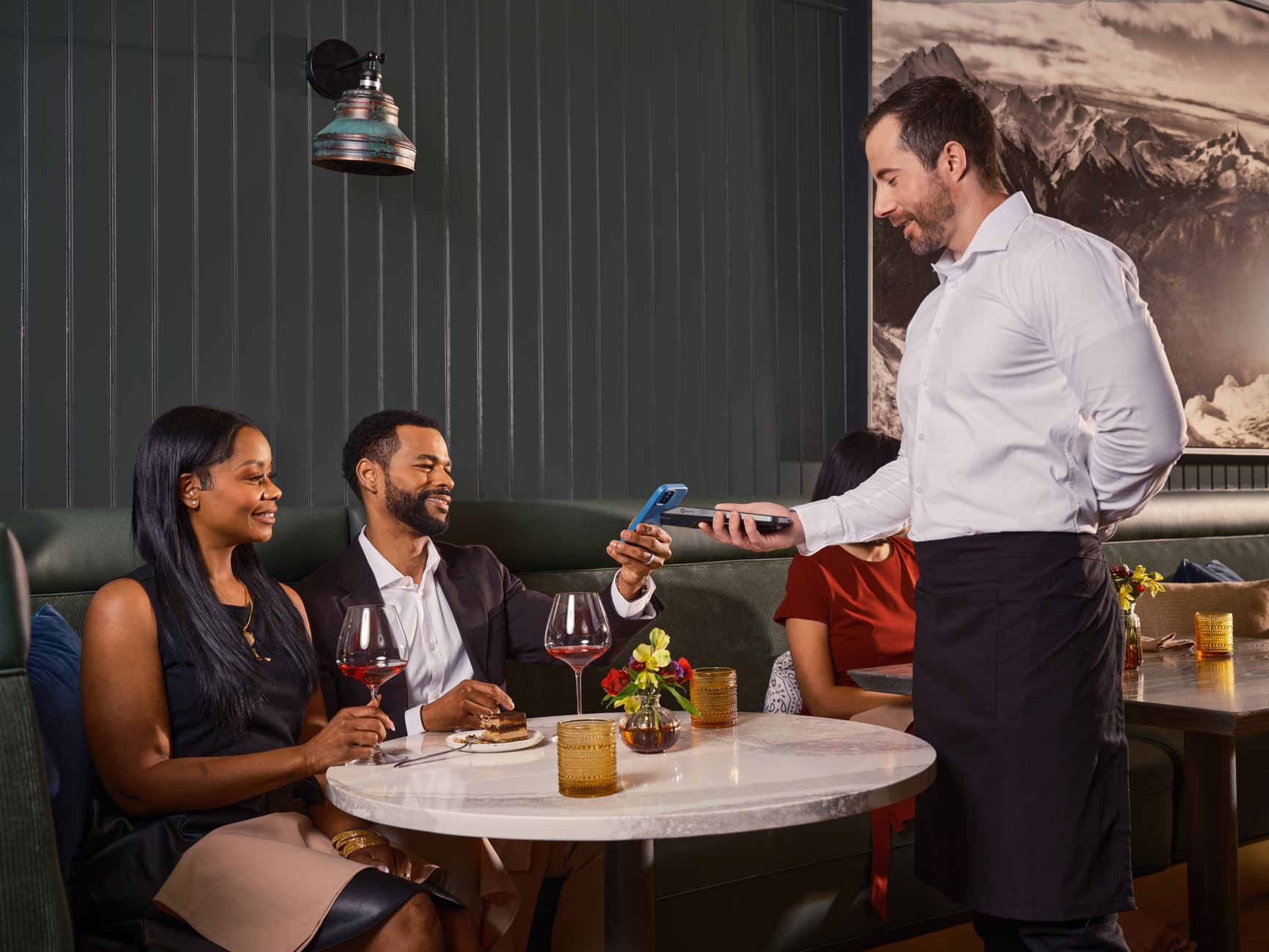
Suddenly everything must be finished at your table—sauces poured, desserts flambéed, salads tossed with ceremonial precision. What used to be kitchen efficiency is now front-of-house spectacle. Diners crane their necks as dry ice billows or liquid nitrogen freezes dessert in real time. The ritual has become more important than the result.
Narrative-Driven Menus
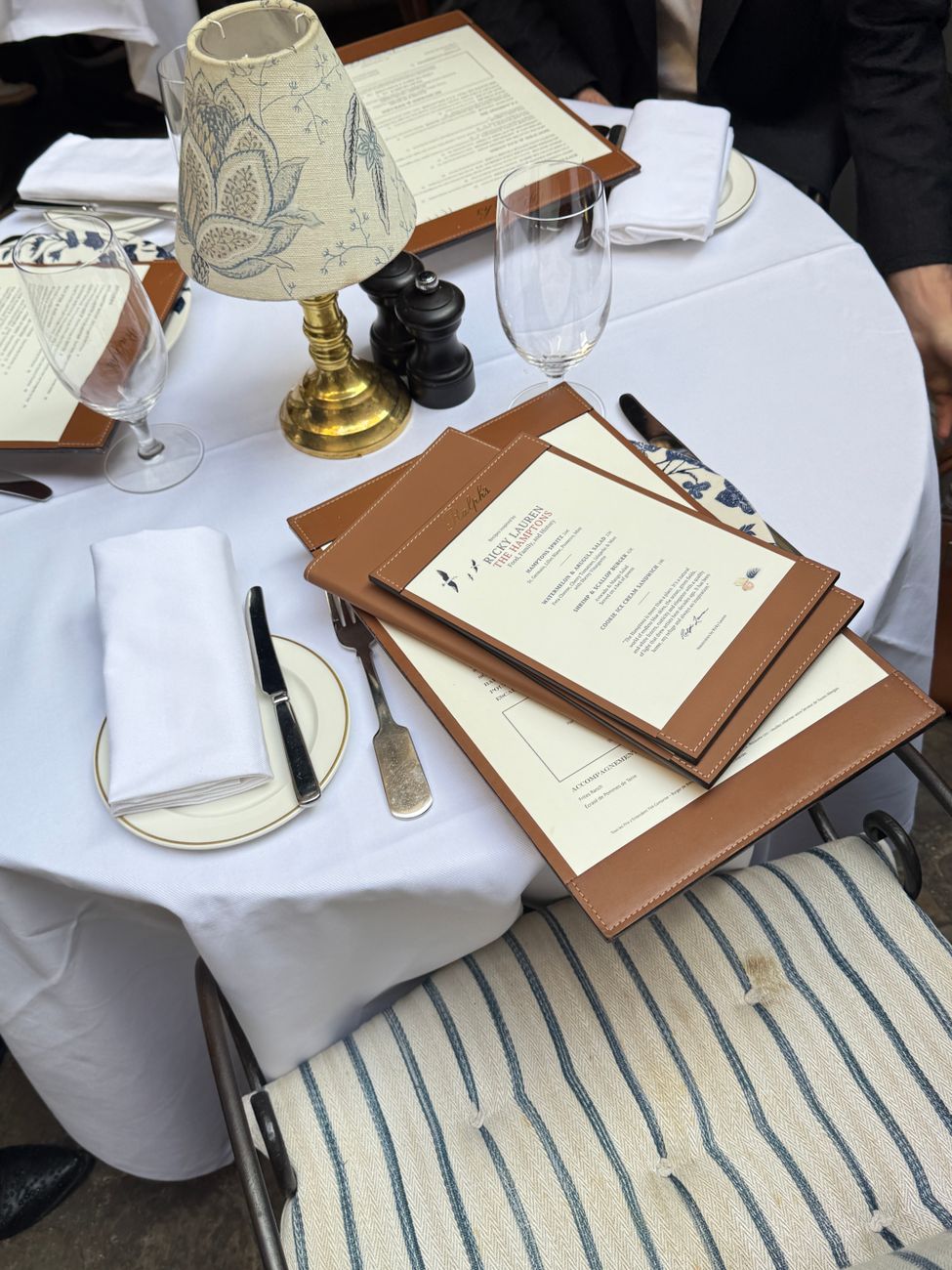
Every dish now comes with a origin story—where the carrot was grown, the chef's childhood memory it evokes, the three-week fermentation process. Servers deliver these narratives like monologues, transforming meals into multi-act plays. You're not just eating; you're being told how to feel about what you're eating, complete with emotional arc.
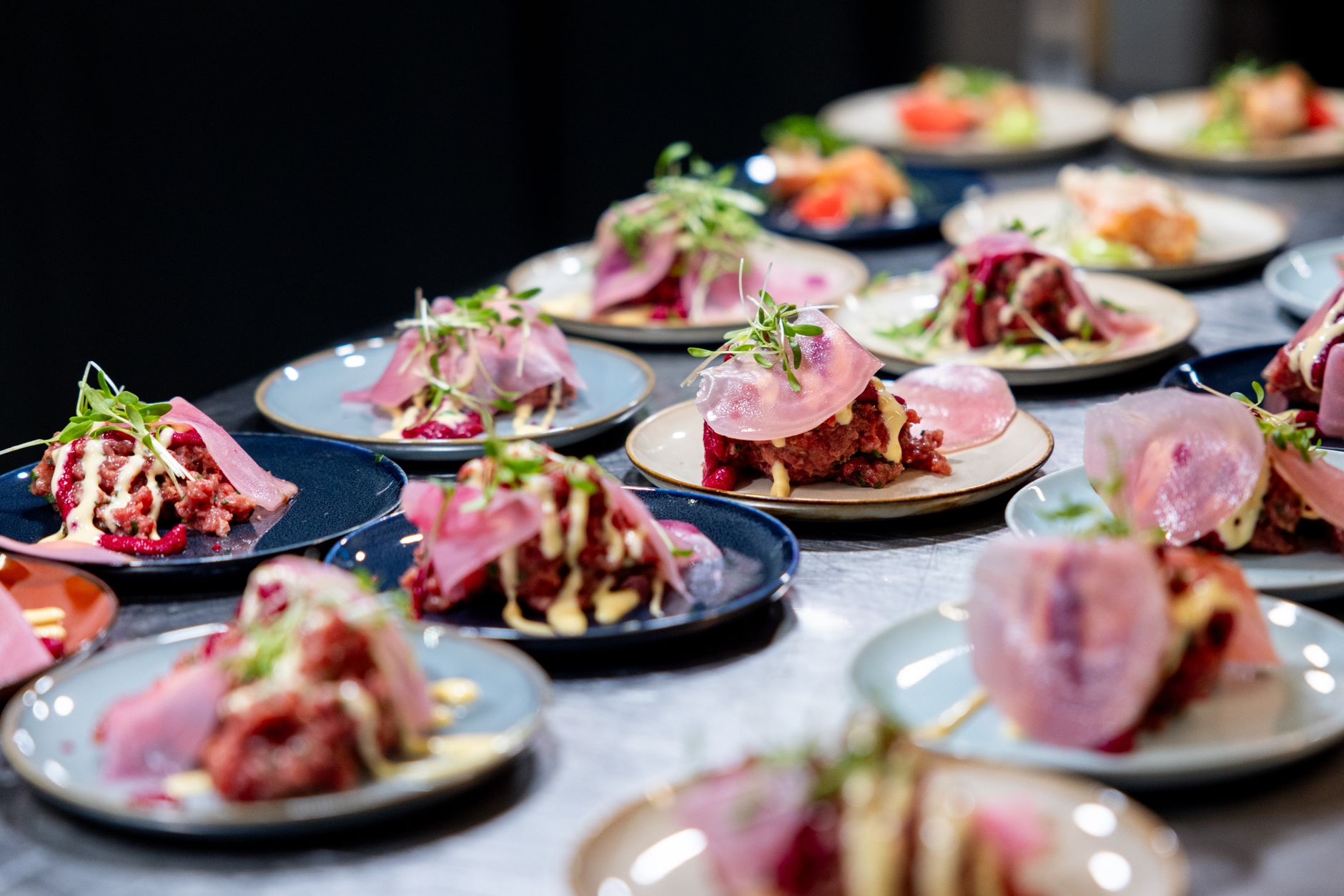
The Tasting Menu Tyranny
Fixed tasting menus have eliminated choice entirely, forcing diners into a predetermined journey they can't escape. Seventeen courses, each the size of a coin, arriving at intervals designed for suspense. You're held captive for four hours, audience to someone else's creative vision. Autonomy traded for experience, and somehow we're calling it luxury.
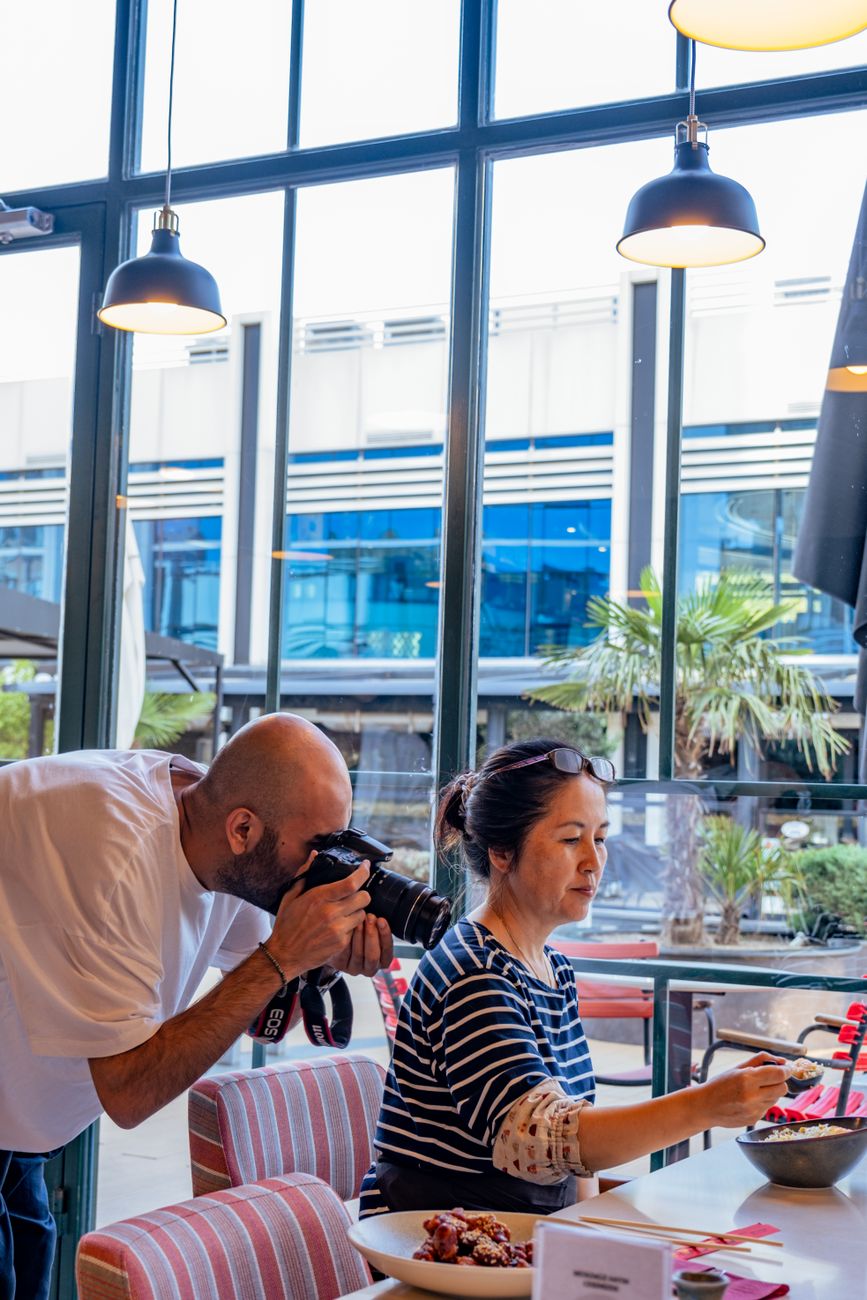
Dining as Social Currency
The real meal happens after you leave—when you post about it. Restaurants design for virality first, taste second. Dishes arrive smoldering, glowing, or architecturally impossible, engineered for the camera. The value isn't in eating but in having eaten there, in possessing proof you witnessed the show. Dinner becomes content, memory becomes clout.