Minimalism promised freedom from excess, but somewhere between Marie Kondo and the Danish design boom, it became the most expensive aesthetic you can buy. The irony is complete: owning fewer, better pieces now requires significantly more capital than filling a space with abundance.
The math is brutal. A single sculptural chair costs what an entire living room set used to. The minimalist apartment—sparse, considered, breathing—has become a flex of resources, not restraint. Here's how less became unaffordable.
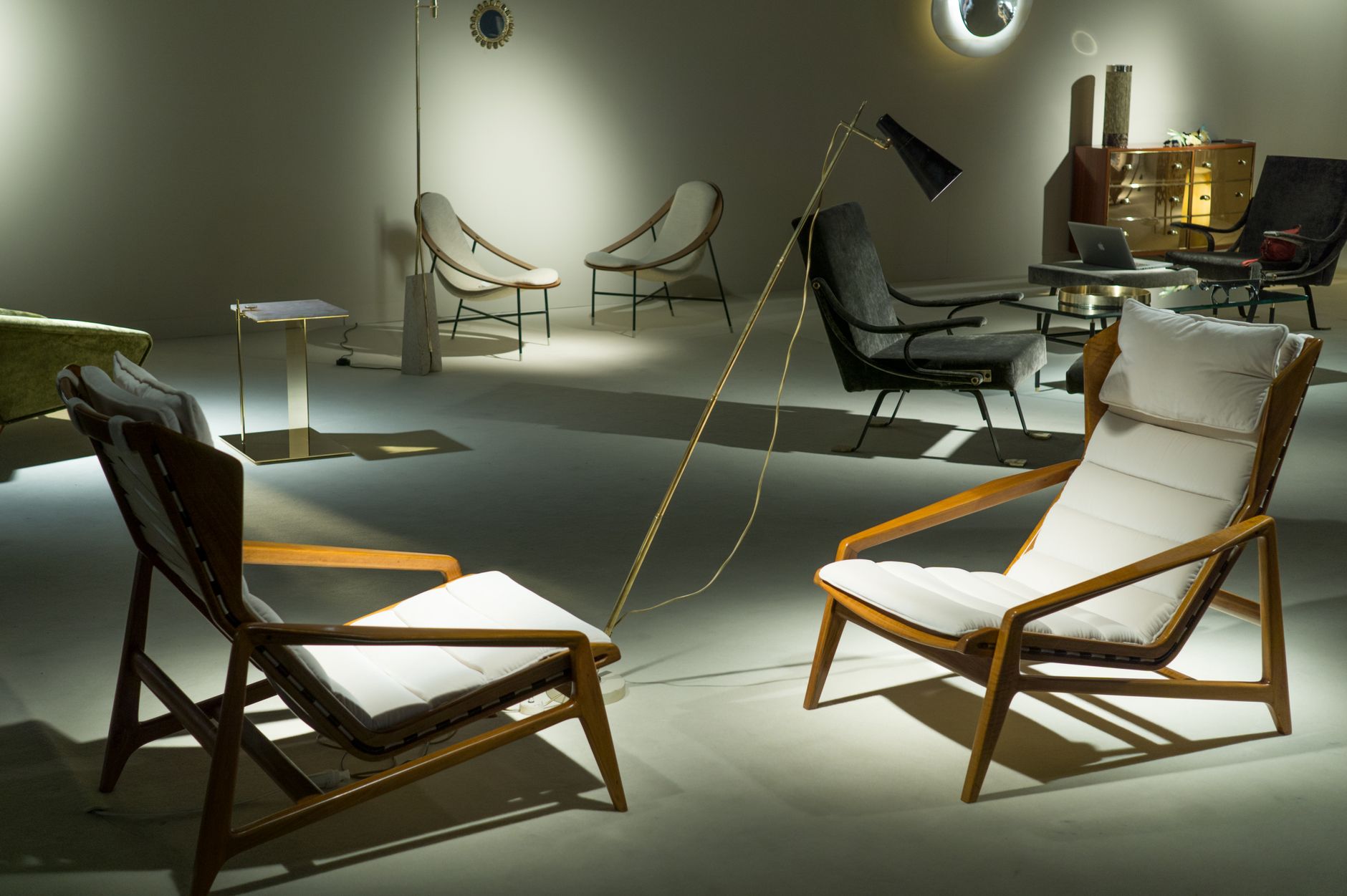
The "Investment Piece" Economy Has Eliminated Entry Points
When everything is positioned as an investment piece, nothing is accessible. The mid-market has collapsed, leaving a chasm between IKEA and the kind of furniture that gets passed down. Brands selling minimalist aesthetics have convinced buyers that a $3,000 sofa is "cost-per-wear" logic applied to seating, while fast furniture is moral failure. The result: minimalism now requires maximum buy-in, and there's no longer a middle path between disposable and heirloom.

Artisan Craftsmanship Became Mandatory, Not Optional
The minimalist aesthetic demands visible quality because there's nowhere to hide. Every joint, every material choice, every finish is on display when you own five things instead of fifty. This pushed the entire category toward artisan production, small-batch runs, and hand-finished details. What was once a choice—supporting craft over mass production—became the only option if you want pieces clean enough to stand alone. Craft is beautiful. Craft is also expensive at scale.
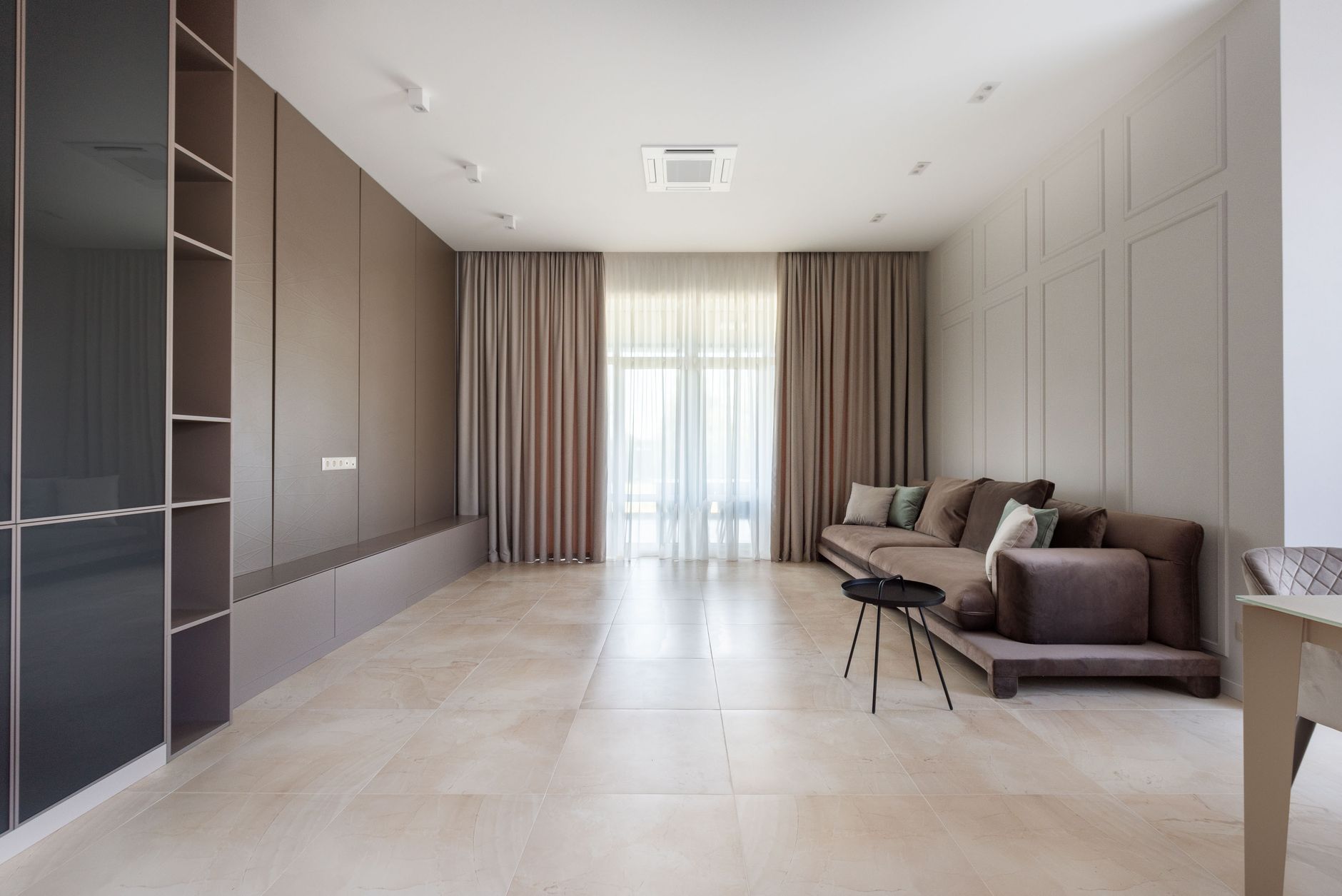
Negative Space Costs Square Footage
Minimalist interiors require room to breathe, which means paying rent on emptiness. The aesthetic only works with generous proportions—high ceilings, open plans, space between objects. In cities where every square foot is monetized, choosing to own less furniture means affording more space for it to exist in. The sparse apartment isn't just about editing possessions; it's about buying the luxury of unfilled rooms. Air has become the most expensive material in interior design.

Multifunctional Design Commands Single-Function Prices Times Three
The promise: one piece that does everything. The reality: paying exponentially more for engineering that makes a table also a desk also a storage unit. Multifunctional furniture designed for smaller spaces costs more than buying each function separately from conventional sources. The innovation tax is real, and it's applied every time a hinge folds or a surface transforms. Minimalists pay a premium for the privilege of owning fewer items that work harder.
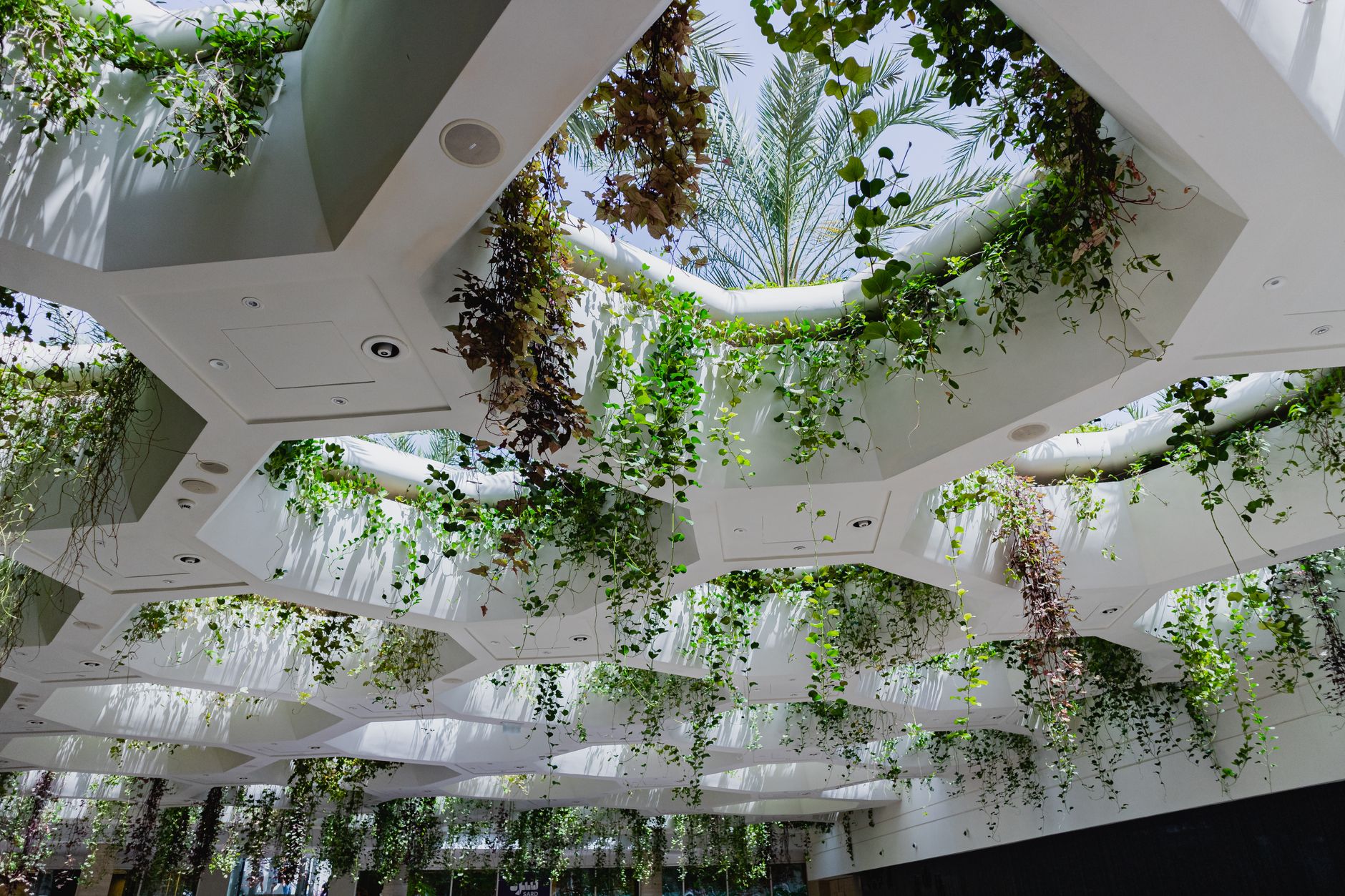
The Sustainability Markup Has No Ceiling
Responsible materials, ethical labor, circular design principles—these should be standard, but they're sold as luxury upgrades. The minimalist consumer, already primed to value quality and longevity, becomes the ideal target for sustainability premiums that often triple base costs. Reclaimed wood, natural dyes, carbon-neutral shipping: each virtue adds margin. The commitment to buying less but better has been repackaged as a high-end market segment with prices to match.
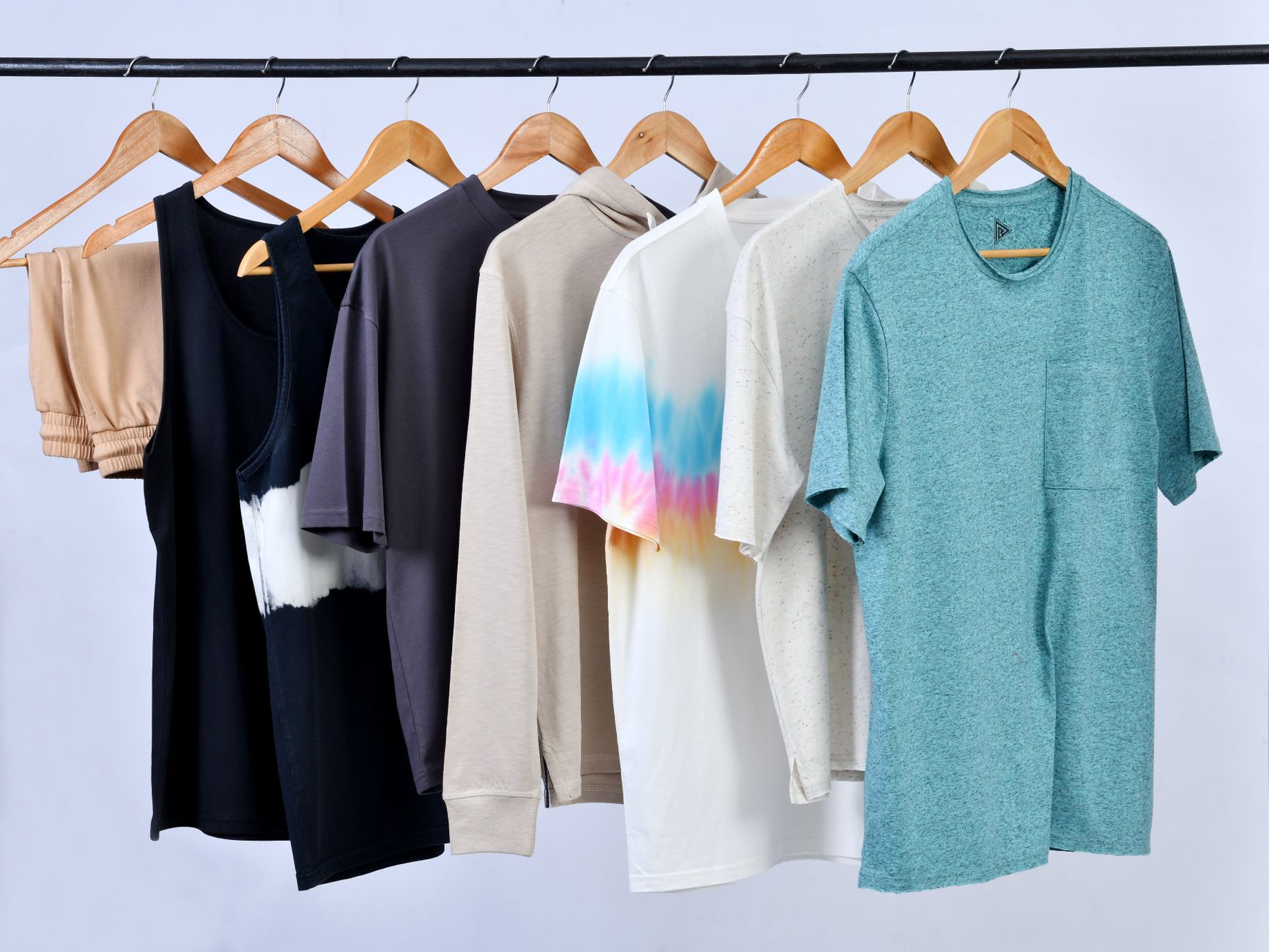
Designer Collaborations Turned Basics Into Collectibles
A chair is never just a chair when a name is attached. The explosion of designer collaborations transformed simple, functional objects into branded collectibles with waitlists and secondary markets. What minimalism needs—a good chair, a solid table—is exactly what the design industry has turned into limited drops and hype releases. Basics became rare. Functional became collectible. And the price of simple, well-designed furniture detached entirely from production costs.

Curation Requires Education, Education Requires Time and Access
Knowing what to buy when you're buying less is its own expertise. The minimalist apartment relies on impeccable taste, which itself is a resource acquired through time, exposure, travel, education. You need to know enough design history to distinguish timeless from trendy, enough material science to assess quality, enough cultural capital to spot the pieces worth keeping. Curation isn't intuitive—it's learned, often expensively, through mistakes and mentorship the mass market never needed.
The Secondhand Market Caught Up and Caught On
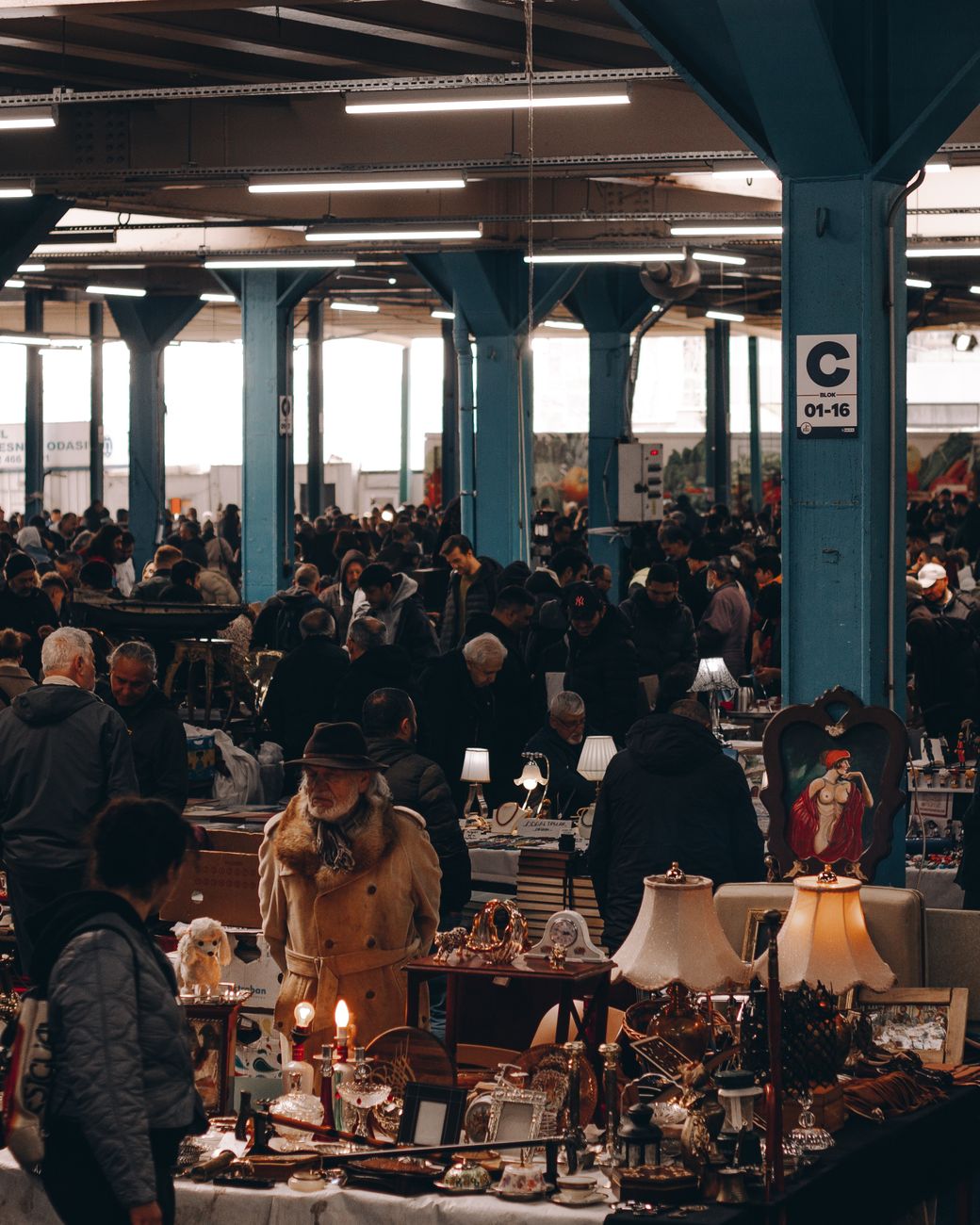
Vintage and secondhand used to be the budget-conscious path to better furniture, but that arbitrage is closed. Mid-century pieces now cost more used than new mass-market equivalents. The same scarcity that makes minimalism appealing—fewer, older, better things—has turned the vintage market into auction-house territory. Apps democratized access but also inflated prices globally. The hack became the market, and the market became unaffordable. Even buying used requires the budget minimalism was supposed to avoid.
- The "Investment Piece" Economy Has Eliminated Entry Points
- Artisan Craftsmanship Became Mandatory, Not Optional
- Negative Space Costs Square Footage
- Multifunctional Design Commands Single-Function Prices Times Three
- The Sustainability Markup Has No Ceiling
- Designer Collaborations Turned Basics Into Collectibles
- Curation Requires Education, Education Requires Time and Access
- The Secondhand Market Caught Up and Caught On