Radio DJs once broke careers with a single spin. Music critics could tank albums with 500 words. Both had names, faces, reputations you could debate at parties. Then streaming arrived, and the infrastructure of taste became invisible. No farewell tours, no think pieces—just a quiet transfer of cultural authority to people you'll never know.
Today, a playlist called RapCaviar or Pollen has more influence than any publication or station ever did. The curators behind them? Nameless Spotify employees making decisions that reach 500 million listeners. They've become the most powerful figures in music without the industry or its audience fully registering the shift. Here's how it happened.
Playlist placement became the only metric that matters
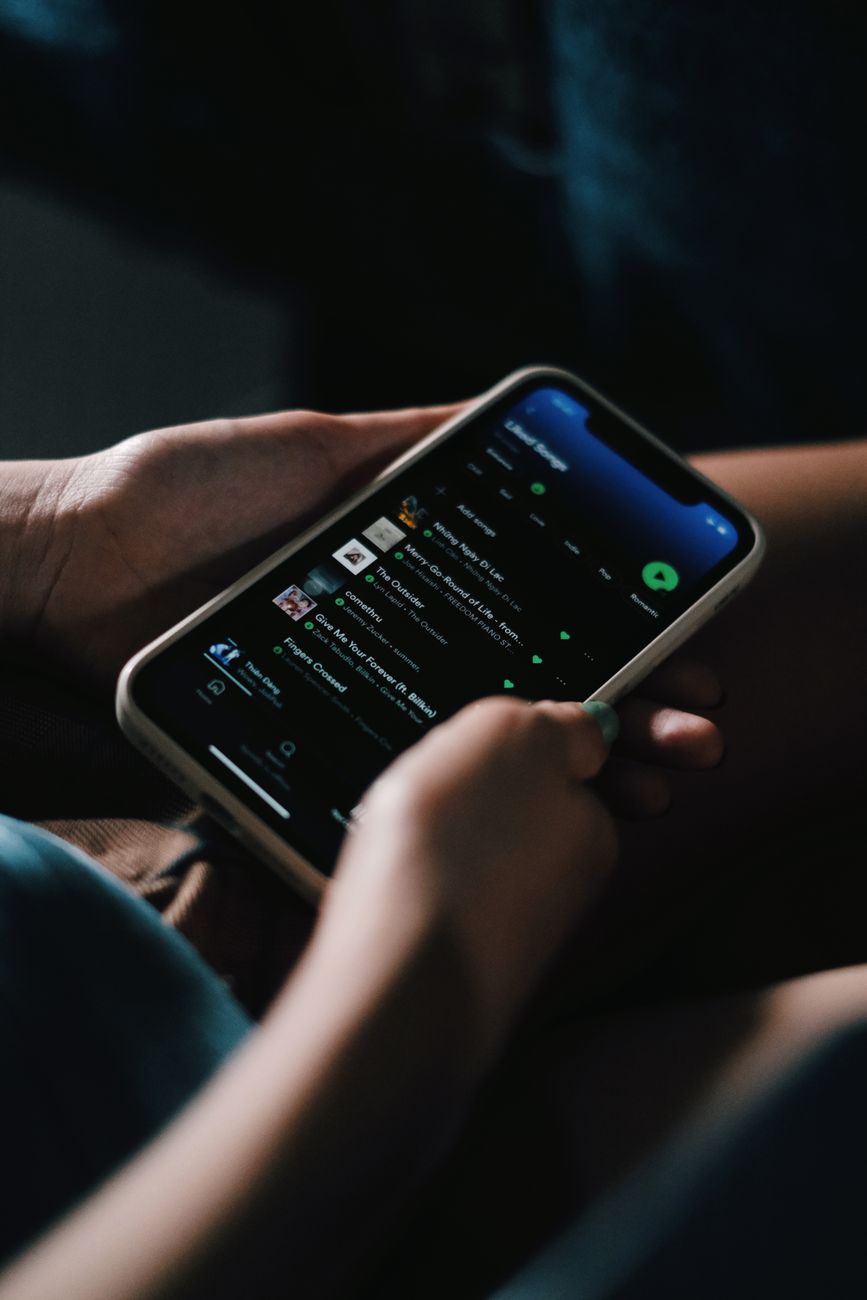
Landing on Today's Top Hits or Hot Hits UK generates more streams in a week than a year of press coverage and radio play combined. Labels now structure entire release strategies around securing these slots, pitching tracks months in advance through Spotify's submission portal. Artists who once chased magazine covers now obsess over 30-second retention rates—the internal metric curators use to decide if a song stays or goes. The shift is complete: editorial playlists don't just reflect what's popular, they create it.
Anonymity replaced personality as the trust model
Where DJs like John Peel or Zane Lowe built authority through recognizable taste and on-air charisma, Spotify's curators are contractually prohibited from personal branding. No Twitter accounts, no bylines, no interviews. The platform discovered that faceless curation feels more algorithmic—therefore neutral, therefore trustworthy. Users don't question whether they're being sold something when there's no person to doubt. This anonymity isn't a bug; it's the business model. Taste without a tastemaker feels like pure discovery.

The curator class operates with zero public accountability
When a critic panned an album, artists could respond, fans could argue back. When a playlist curator skips your track, there's no one to challenge and no explanation given. This opacity has created an accountability vacuum—curators wield extraordinary influence while facing none of the scrutiny that music journalists endured. Allegations of payola-adjacent practices surface periodically, but without named individuals or transparent processes, nothing sticks. The power is institutional, diffuse, unreachable.
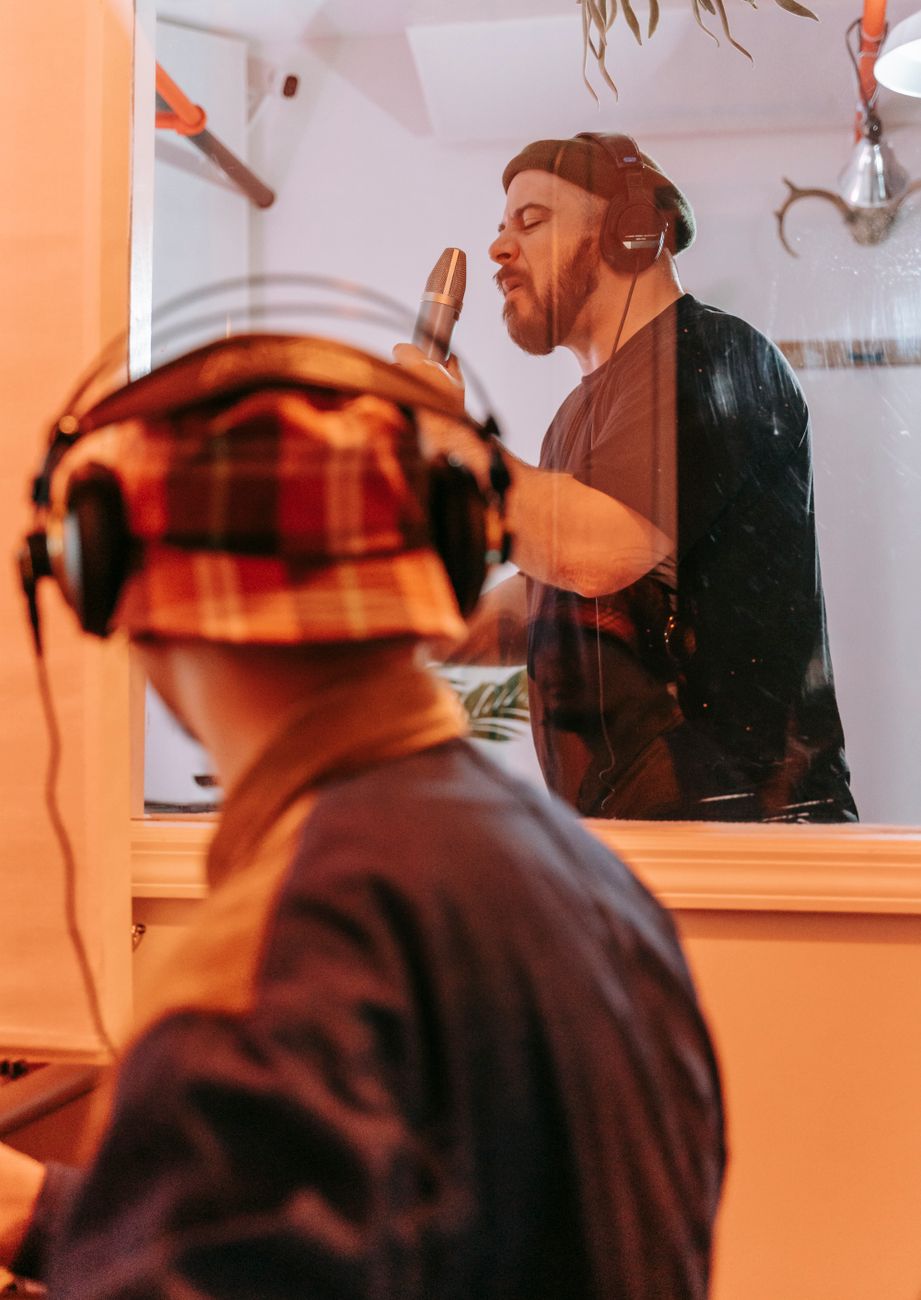
Mid-tier artists became completely dependent on platform favour
Superstars survive on name recognition; new artists get algorithmic recommendation boosts. The middle class of musicians—those with modest followings but no viral momentum—live or die by curator decisions they can't predict or influence. One playlist add can mean the difference between affording rent and abandoning music entirely. This dependency has fundamentally altered creative risk-taking: artists increasingly tailor songs to match what performs well in playlist contexts, smoothing edges that might alienate a curator's perceived preferences. The result is music optimized for passive listening, designed not to be skipped.
We traded taste-making ecosystems for a single point of failure
The old system was messy and political, but it was distributed. Regional radio stations, niche magazines, and individual critics created multiple pathways to success. Now, three or four editorial playlists per genre effectively control discovery for the majority of listeners. Spotify's dominance means one company's curators—with their particular biases, blind spots, and commercial pressures—function as a monoculture. When taste-making authority centralizes this completely, entire genres and aesthetics can be systematically excluded without anyone making a conscious decision to exclude them. The gatekeepers disappeared, but the gate got narrower.