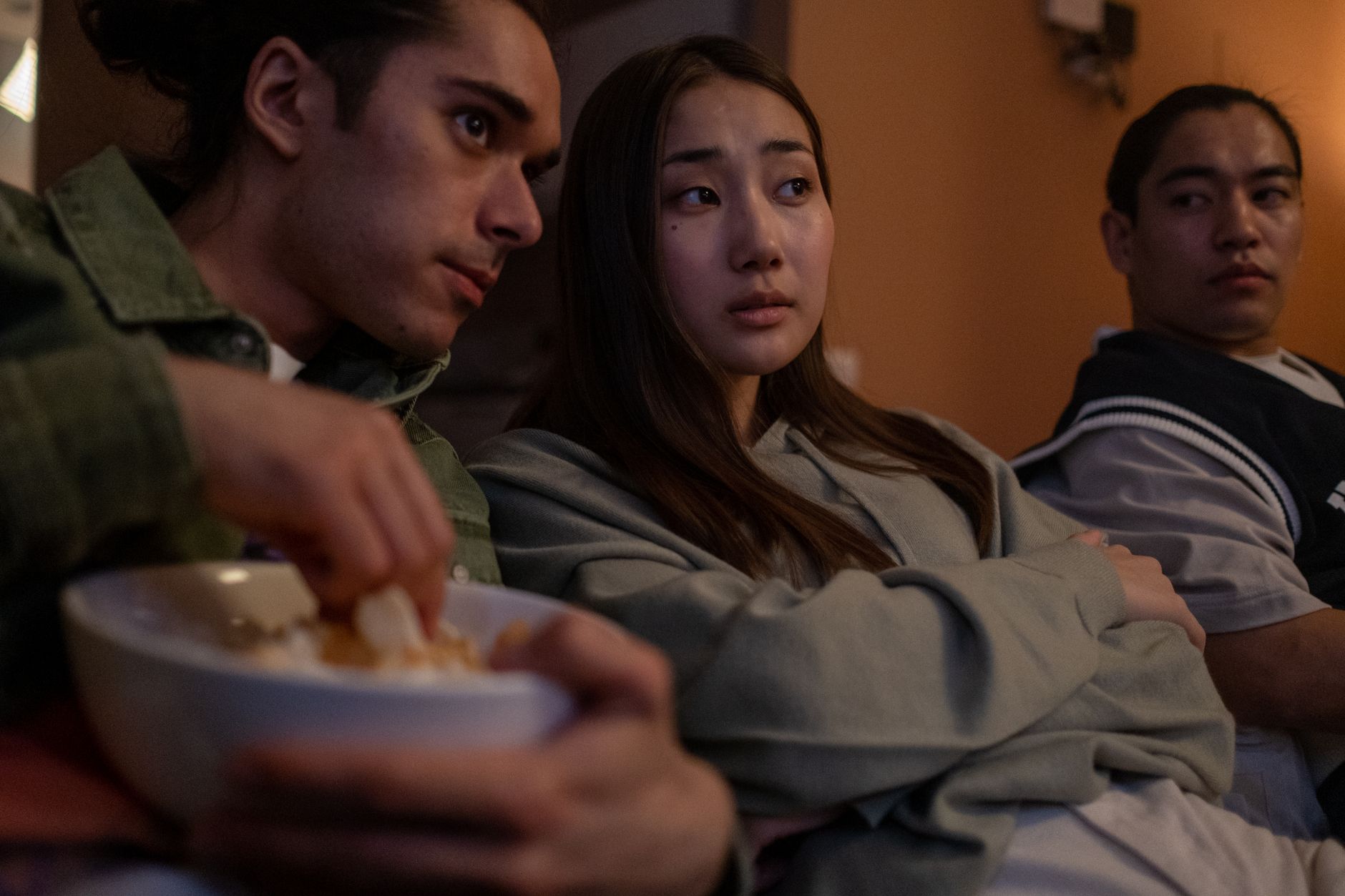
A metalhead listens to Kate Bush for the first time. A vocal coach analyzes Ariana Grande's breathing technique. A Gen-Z creator watches Friends and discovers that landlines existed. These videos regularly accumulate millions more views than the content they're reacting to, and the economy around manufactured surprise has become more lucrative than originality itself.
We've entered an era where the thing matters less than watching someone experience the thing. The reaction video ecosystem has spawned a new aristocracy of professional responders, where authenticity is currency and your raised eyebrow is worth more than a studio's production budget. This isn't passive consumption—it's emotional outsourcing at industrial scale.
The First-Time Experience Has Become Intellectual Property
Channels built entirely on documented virginity—first time hearing Radiohead, first time watching Breaking Bad, first time tasting European chocolate—have transformed novelty into a renewable resource. Creators now strategically withhold exposure to cultural touchstones to preserve their reaction value. The performance of discovery has become more watched than the discovery itself, because we're not consuming content anymore—we're consuming the validation of our own taste through someone else's carefully curated shock.
Expert Reactors Have Replaced Traditional Critics
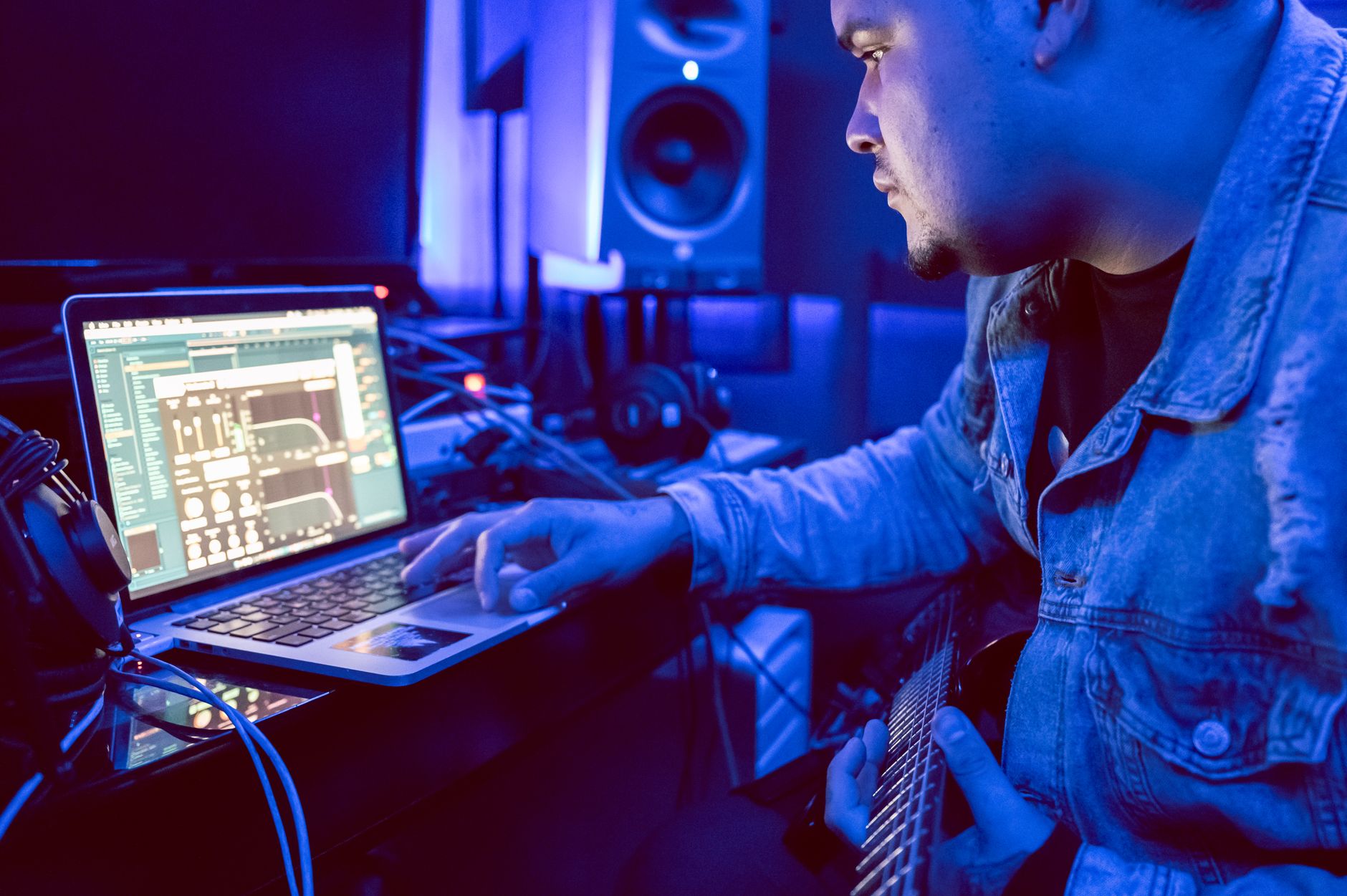
Vocal coaches, music producers, and body language experts have built empires by lending professional credibility to our entertainment choices. Their frame-by-frame analysis videos outperform actual reviews because they offer something criticism never could: permission to feel smart about liking popular things. When a classically trained musician breaks down why a pop song works, they're not educating—they're absolving. The expert reactor exists to tell you that your guilty pleasure has chord progressions worth discussing at dinner parties.
Parasocial Relationships Now Require a Witness
We don't just want to watch our favorite creators anymore—we want to watch them watch what we watch, creating recursive loops of affirmation. When a beloved YouTuber reacts to a trailer you're excited about, their enthusiasm becomes the product, not the trailer itself. This is intimacy through proxy, where shared excitement matters more than the thing generating it. The reaction video has weaponized the basic human need for connection and sold it back to us as content, one synchronized emotional response at a time.
Manufactured Authenticity Pays Better Than Actual Talent
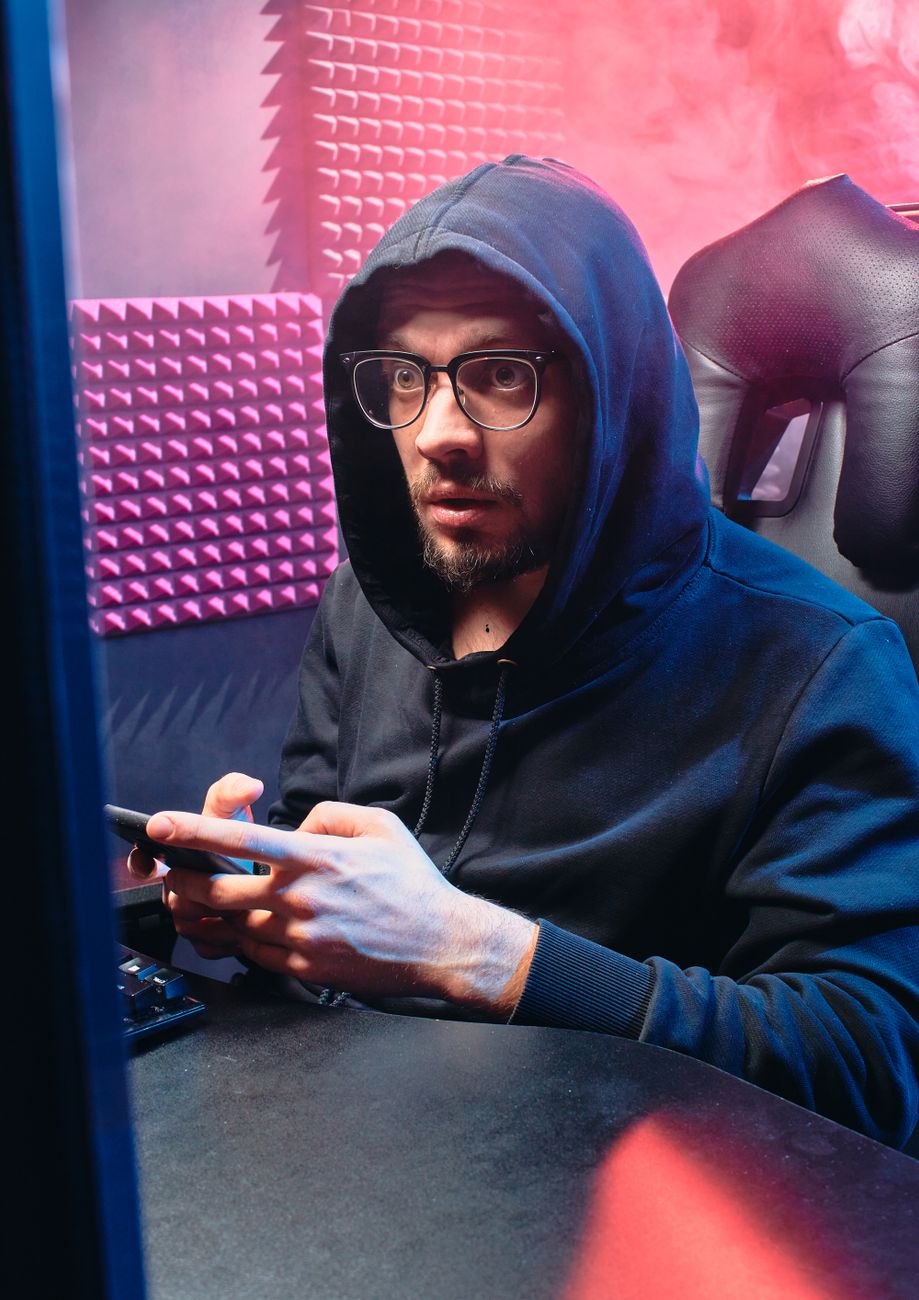
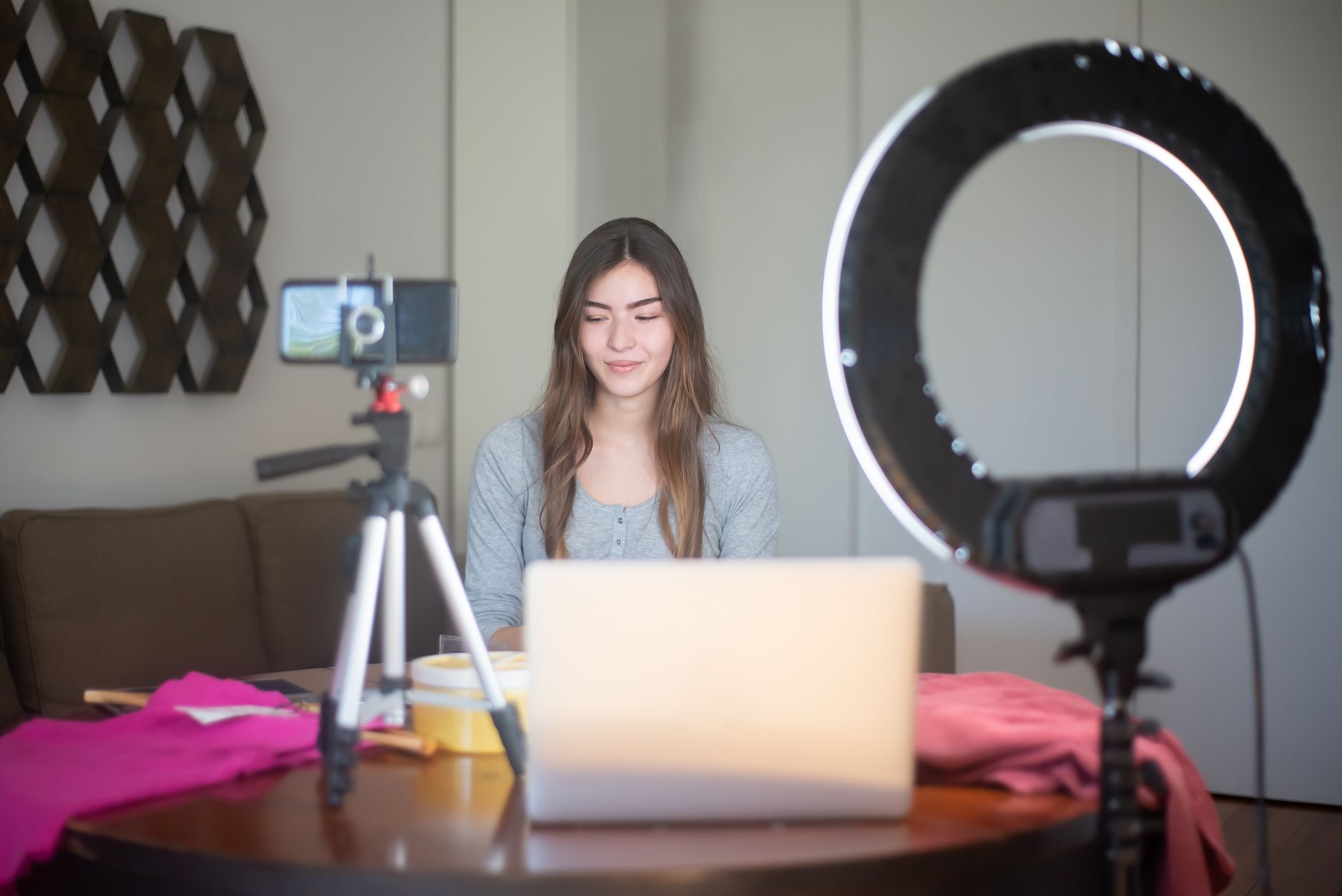
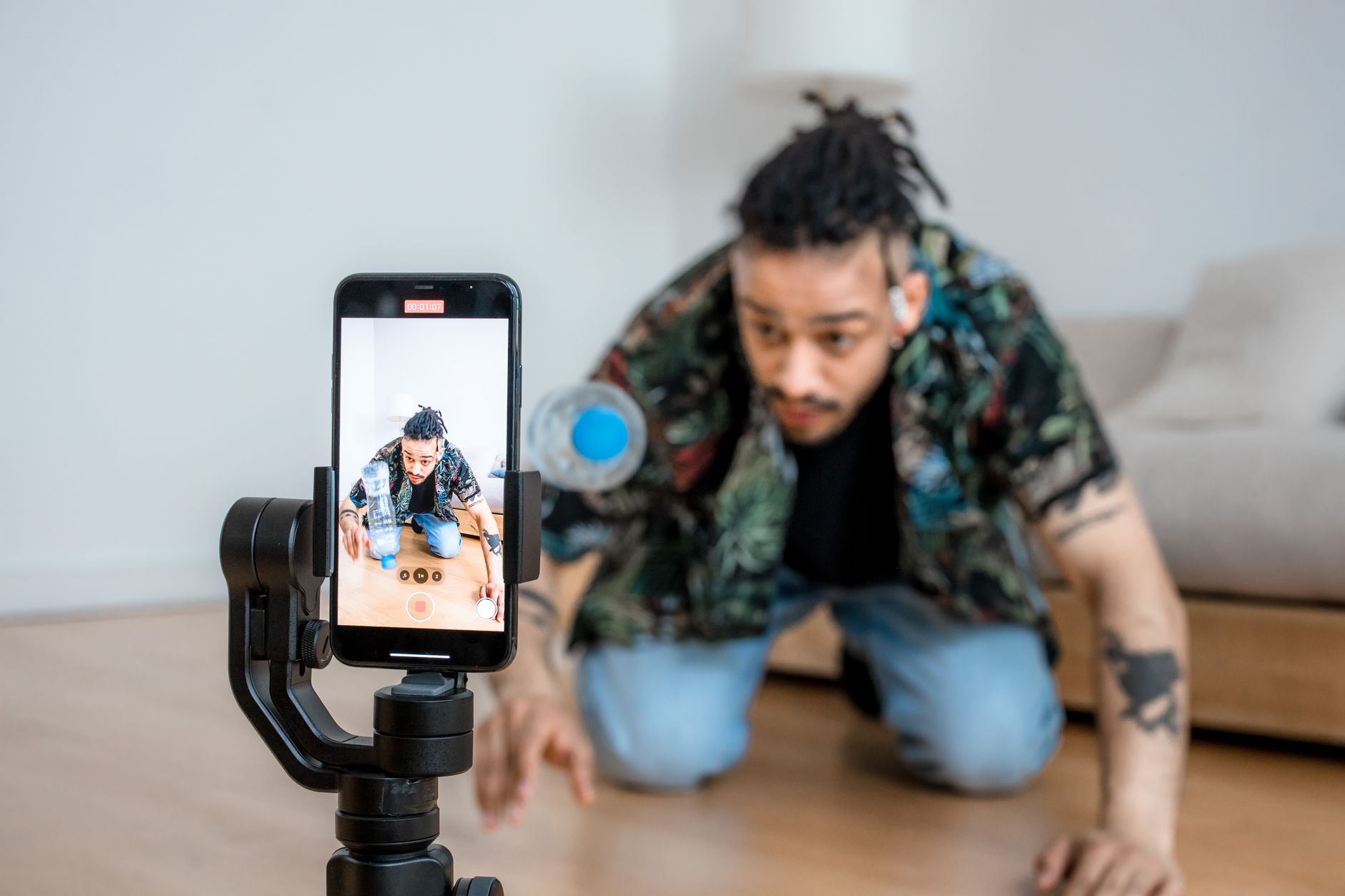
The technical barrier to entry is a webcam and the ability to emote on command. Top reaction channels earn six figures monthly without producing a single second of original material, just performative surprise and strategic pauses. The algorithm rewards consistency over creativity, and audiences have developed sophisticated detectors for fake reactions while simultaneously accepting that all reactions are, by definition, performed for camera. We've collectively decided that the theater of authenticity is more valuable than the messy reality of actual first impressions.
We're Paying to Avoid Experiencing Things Alone
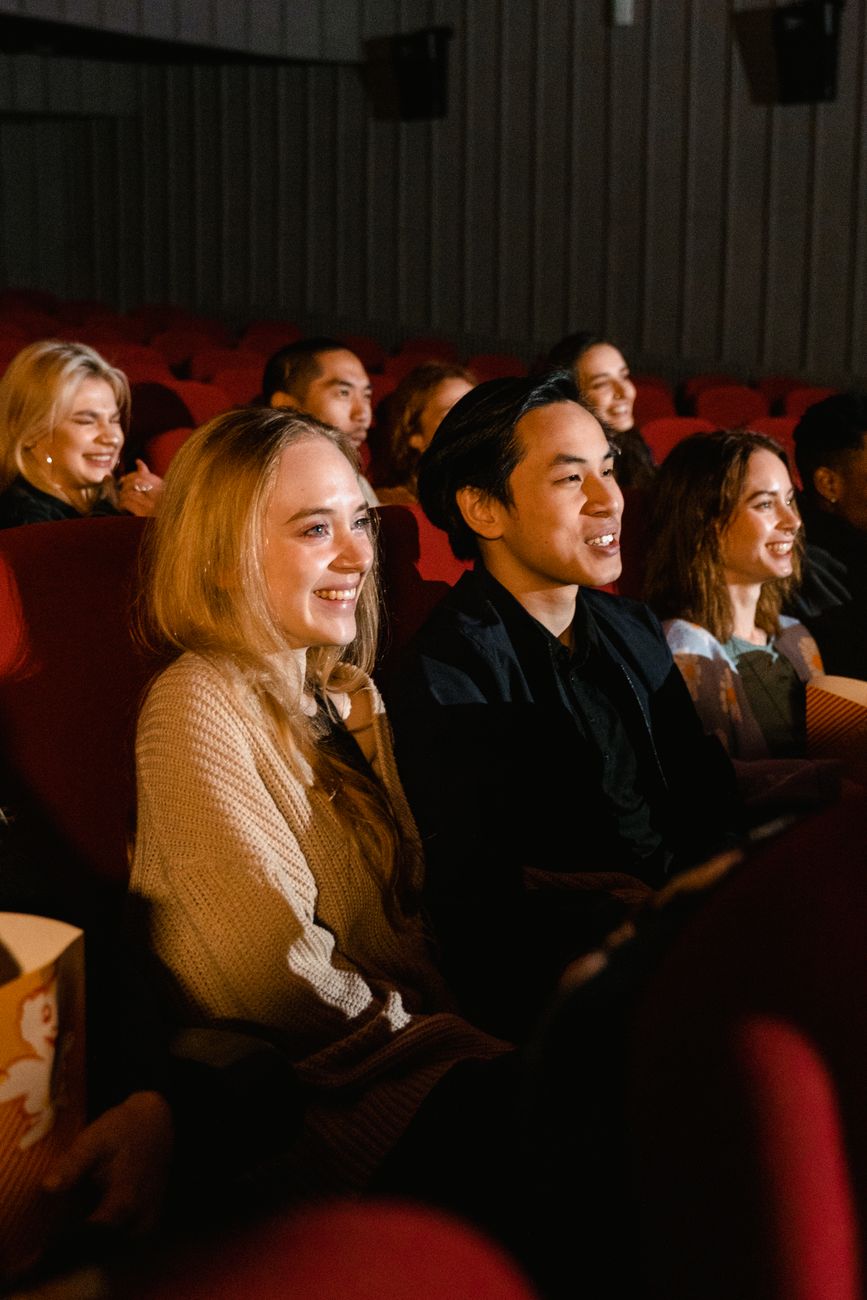
The explosion of reaction content reveals an uncomfortable truth: we've lost the ability to process culture in isolation. Watching a reactor provides the social context we used to get from water cooler conversations, except now it's on-demand and algorithmically optimized for maximum emotional resonance. This isn't about laziness—it's about fear. The reaction video industrial complex exists because experiencing something without immediate validation feels increasingly unbearable, and we'd rather rent someone else's enthusiasm than risk having the wrong opinion in a room by ourselves.