The sink is having an identity crisis. Once confined to kitchens and bathrooms, the humble basin is now turning up in walk-in closets, mudrooms, home offices, even garages. What started as a luxury amenity in high-end renovations has become a legitimate design consideration for anyone reconsidering how their home actually functions.
This isn't about Instagram-ready laundry rooms. It's about the erosion of single-purpose spaces and the recognition that domestic life has never been messier—or more demanding. When the boundaries between work, leisure, and maintenance blur, infrastructure follows.

The Closet Sink Acknowledges What We've Always Done
Installing a sink in your dressing room isn't indulgent—it's honest. People have always done skincare, removed makeup, and handled minor grooming outside the bathroom. The closet sink simply admits that getting dressed involves water, and trudging down the hall in a bathrobe to rinse your face is bad spatial planning. High-end renovations started including them five years ago; now mid-tier builders are catching on.

Mudrooms Upgraded From Coat Storage to Decontamination Zones
The pandemic turned entry spaces into triage areas, and the infrastructure stuck. Mudroom sinks handle dog paws, garden soil, sports equipment, and the general filth of outdoor life before it infiltrates the rest of the house. This isn't about cleanliness theater—it's practical containment. Families with kids or pets were already living this way; now the architecture reflects it.
Garages Are Becoming Legitimate Workrooms
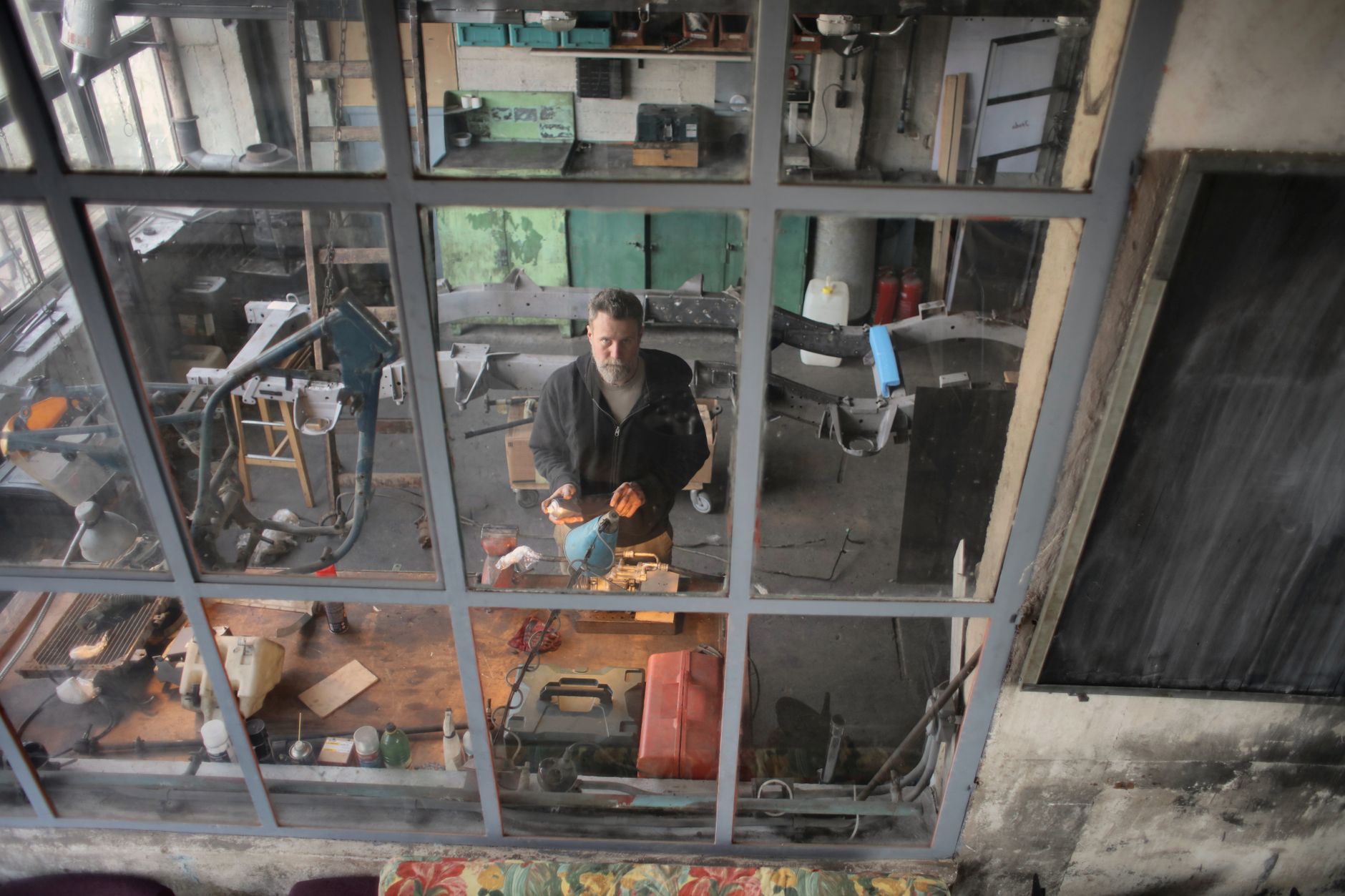
As garages evolve into hobby workshops, home gyms, and project spaces, a sink becomes non-negotiable. You need somewhere to clean brushes, rinse equipment, or wash hands without tracking epoxy through the kitchen. The garage sink signals that this space isn't just car storage with delusions—it's a functional room with its own ecosystem and requirements.

Home Offices Need More Than Ethernet Ports
Remote work exposed the home office as under-infrastructured. When you're spending eight hours in one room, you need water access that doesn't require a kitchen trip every time you rinse a coffee cup or water a plant. The office sink is about reducing friction in your workday, not performative wellness. It's the same logic as hotel minibars, applied to domestic space.
Laundry Rooms Are Overqualified for Just Washing Clothes
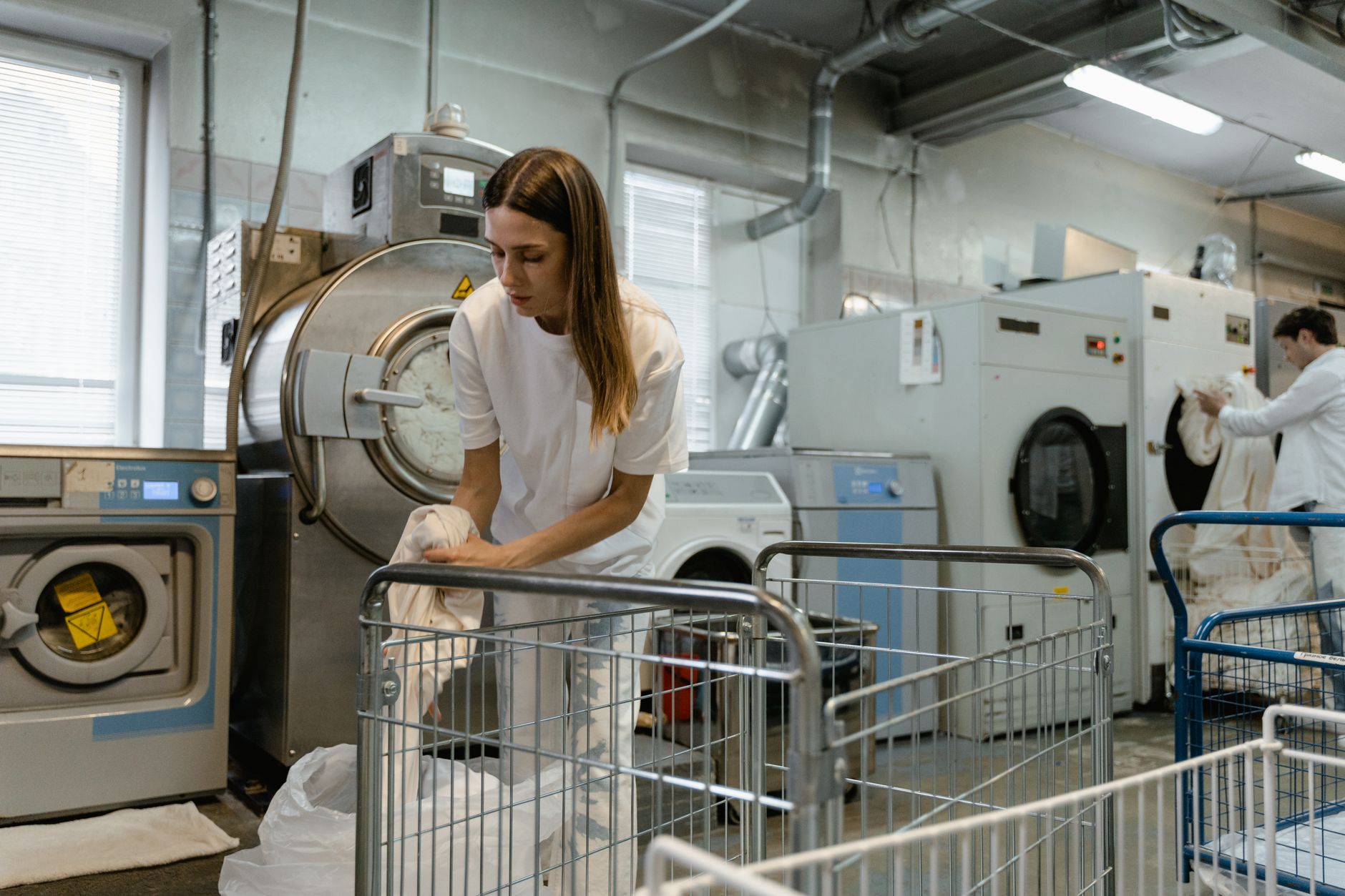
Laundry rooms already had sinks, but they're getting deeper, larger, and more considered. These aren't afterthought basins—they're workstations for hand-washing delicates, soaking stains, arranging flowers, bathing small pets, or any task too messy for the kitchen. The laundry room is becoming the home's utility core, and the sink is finally getting the respect it deserves.
Outdoor Kitchens Demand Serious Plumbing, Not Garden Hoses
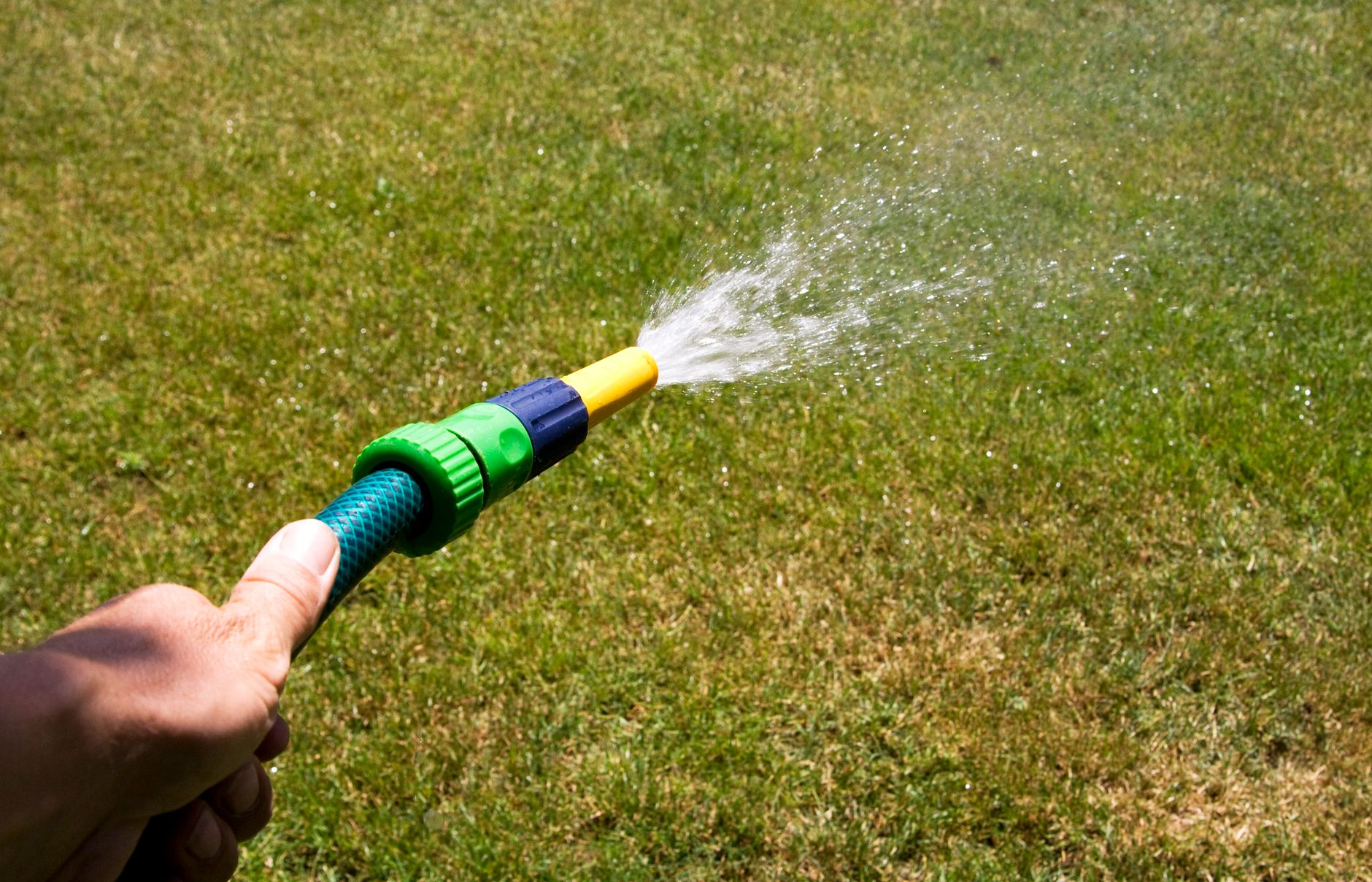
Outdoor cooking spaces are shedding their recreational identity and becoming legitimate second kitchens. A proper sink with hot and cold water isn't a luxury—it's the difference between actually cooking outside versus performing the idea of it. People are grilling year-round, and rinsing vegetables with a garden hose in November is absurd. The infrastructure is catching up to the usage.

Craft Rooms and Creative Spaces Need Cleanup Built In
Dedicated creative spaces are worthless without integrated cleanup. Whether it's rinsing paintbrushes, washing clay off hands, or cleaning printmaking tools, artists have always needed sinks in their workspaces. As more homes carve out rooms for making things—pottery, painting, sewing, woodworking—the sink becomes foundational infrastructure, not an add-on. Creativity is messy; plan accordingly.
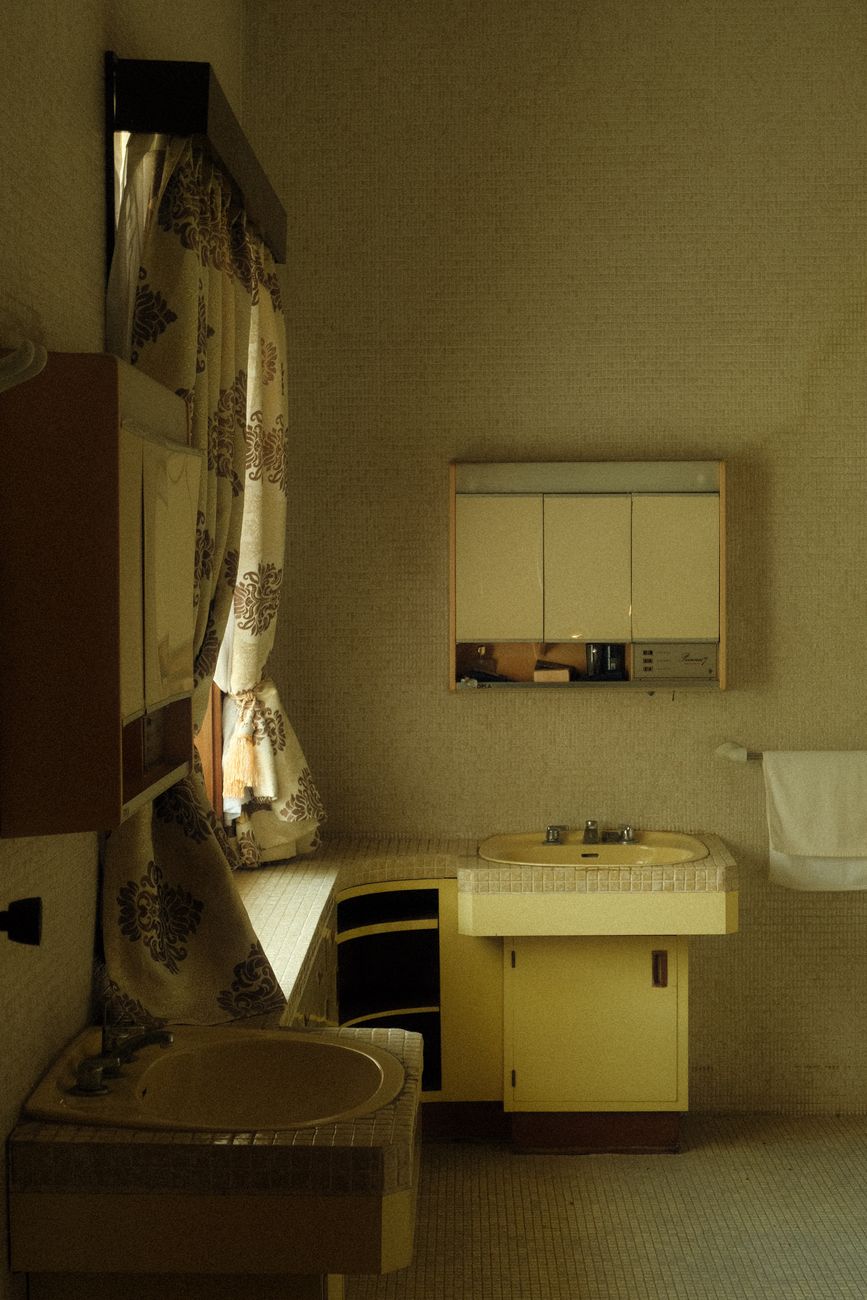
The Single-Bathroom Home Is Realizing Its Limitations
In homes with only one full bathroom, secondary sinks are survival tools, not luxuries. A simple basin in the hallway or bedroom eliminates bottlenecks when multiple people need to brush their teeth, wash hands, or take medication. It's not about spa vibes—it's about reducing domestic friction. The question isn't why add another sink, but why anyone thought one was ever enough.
- The Closet Sink Acknowledges What We've Always Done
- Mudrooms Upgraded From Coat Storage to Decontamination Zones
- Garages Are Becoming Legitimate Workrooms
- Home Offices Need More Than Ethernet Ports
- Laundry Rooms Are Overqualified for Just Washing Clothes
- Outdoor Kitchens Demand Serious Plumbing, Not Garden Hoses
- Craft Rooms and Creative Spaces Need Cleanup Built In
- The Single-Bathroom Home Is Realizing Its Limitations