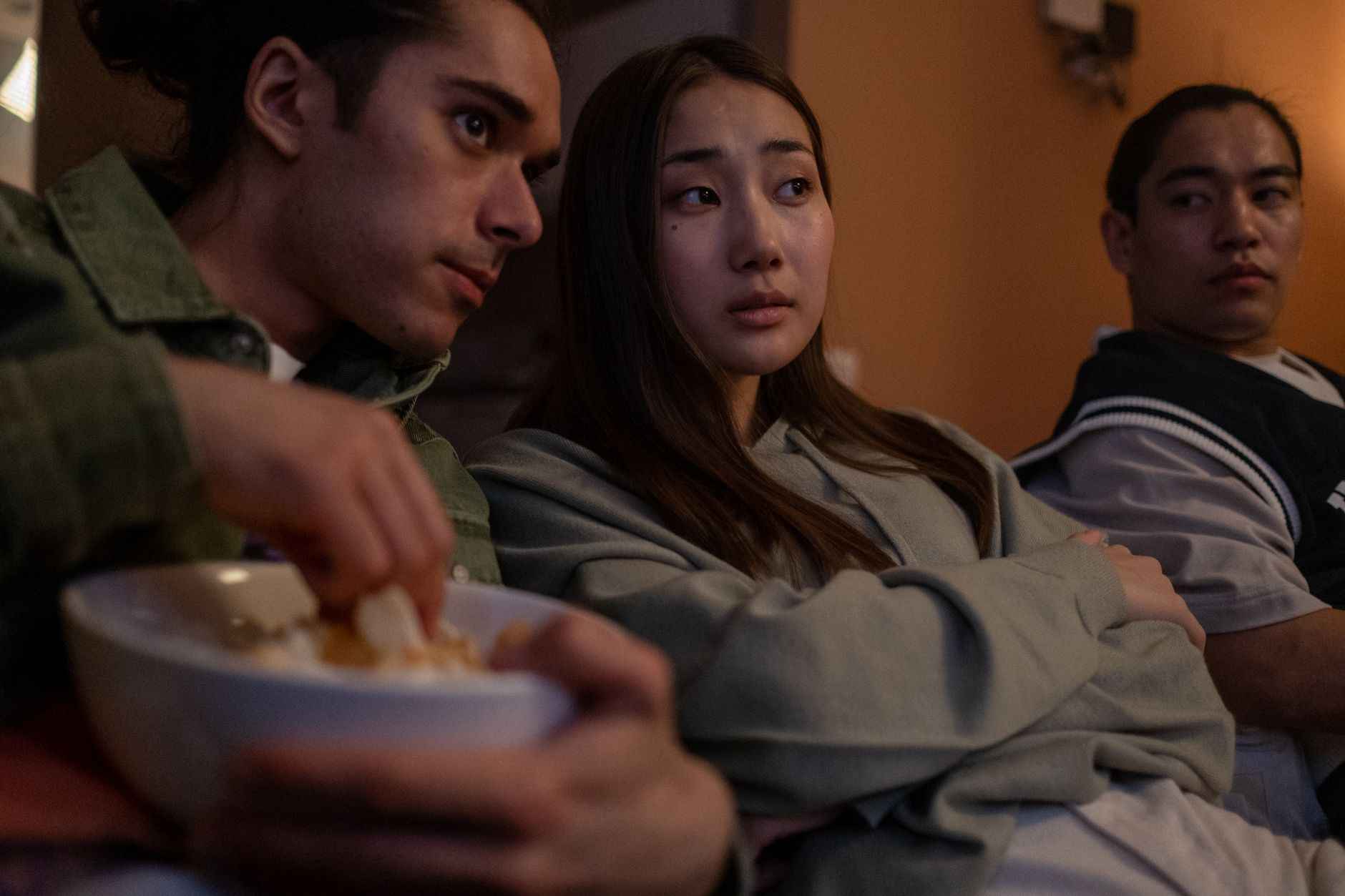
Something shifted when The Traitors became the most discussed show at dinner parties that used to debate Succession. Reality television—once dismissed as low-brow escapism—now commands the kind of attention previously reserved for prestige dramas. Cultural critics write essays about it. Group chats dissect it in real time. The artifice isn't a bug; it's the entire point.
This isn't about reality TV getting better (though some would argue it has). It's about audiences getting more sophisticated in how they watch it. We've learned to read the edit, appreciate the production design, and treat contestants like characters in a carefully constructed narrative. Reality television has become the new water-cooler television precisely because it offers what prestige drama no longer can: genuine unpredictability wrapped in glossy production values.
The Production Value Finally Matches the Cultural Ambition
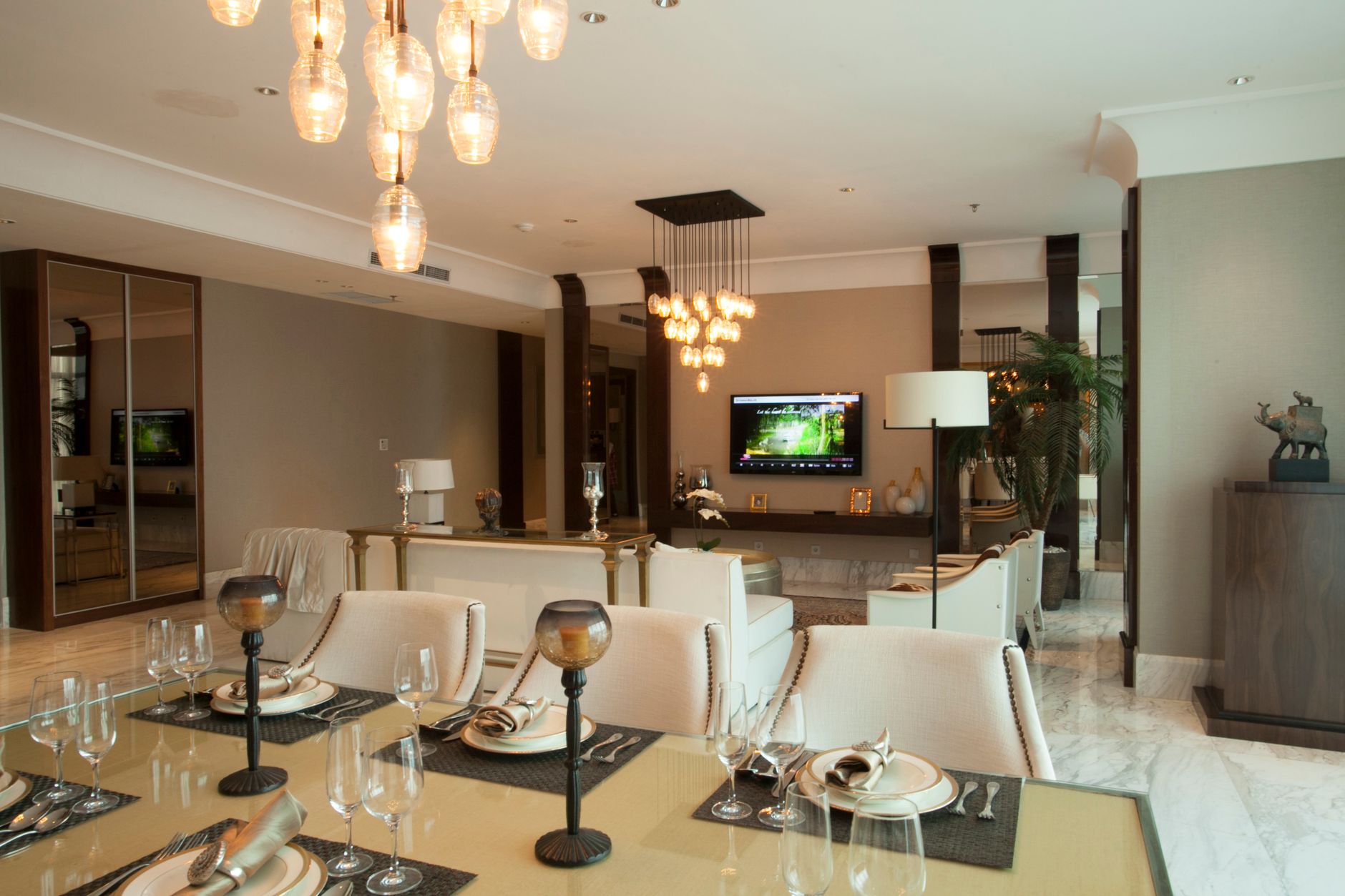
Reality television now looks like cinema. Physical: 100 has the production design of a dystopian thriller. The Traitors films in a Scottish castle with lighting that would make a DP weep. When shows invest in aesthetics this seriously, audiences respond in kind. The visual language tells viewers this deserves their full attention, not their distracted second-screen energy. Production value isn't just polish—it's permission to take it seriously.
We've All Become Experts at Reading the Edit
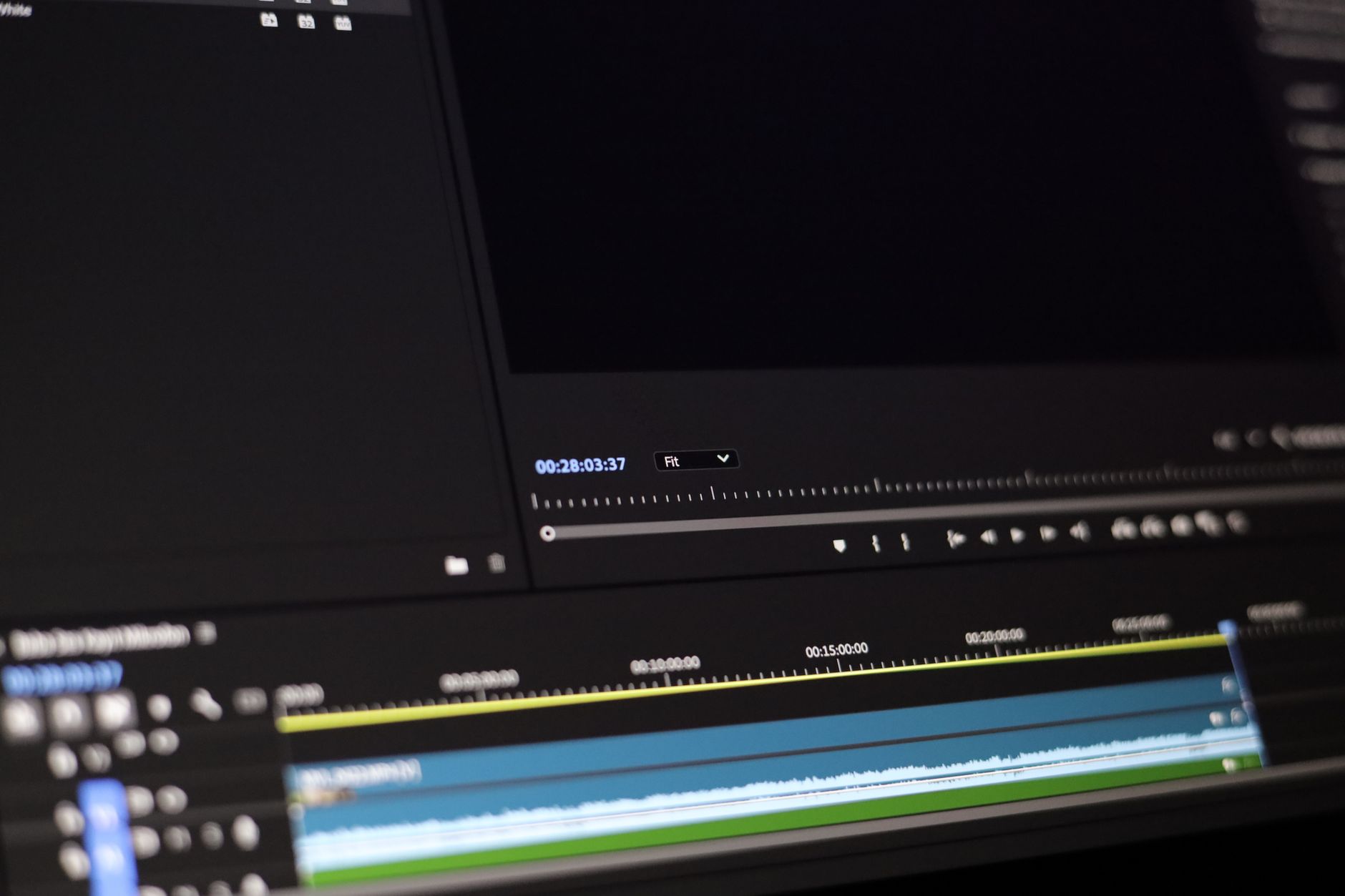
Audiences now watch with the literacy of film students. We spot frankenbites, notice reaction shots that don't quite match, and predict eliminations based on whose confessional gets more screen time. This meta-awareness doesn't diminish enjoyment—it deepens it. Understanding how reality TV manufactures drama makes us more engaged, not less. We're watching two shows simultaneously: the narrative they're selling and the production process underneath.
Reality Stars Are Better Actors Than Most Actors
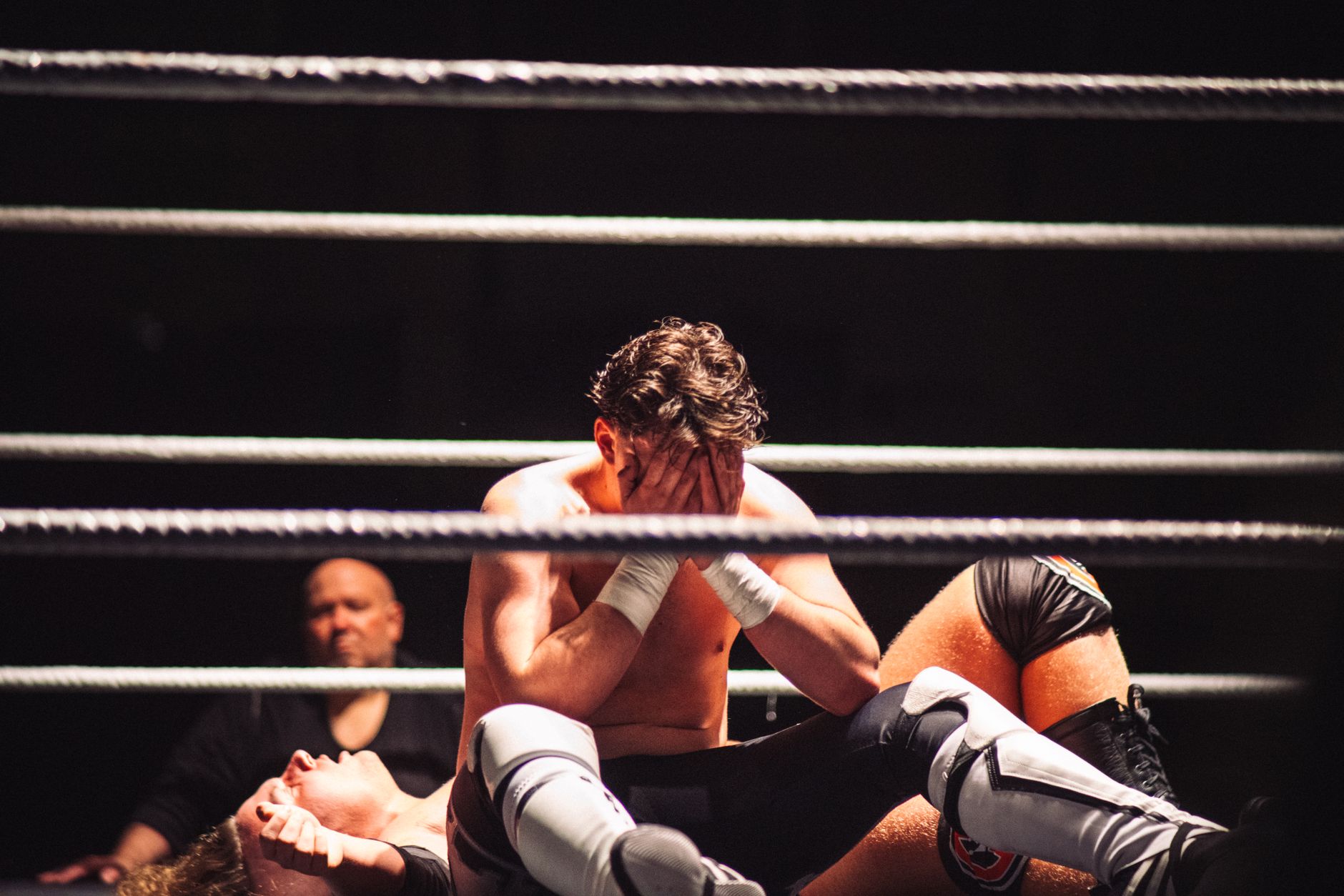
The cast of Vanderpump Rules understands character work better than half of Hollywood. They've spent years refining their on-screen personas, learning exactly how much truth to mix with performance. These aren't civilians stumbling through manufactured scenarios—they're professionals who've trained in the specific craft of reality television. The result is something stranger and more compelling than scripted drama: people performing heightened versions of themselves with commitment that would exhaust a method actor.
The Discourse Became the Product
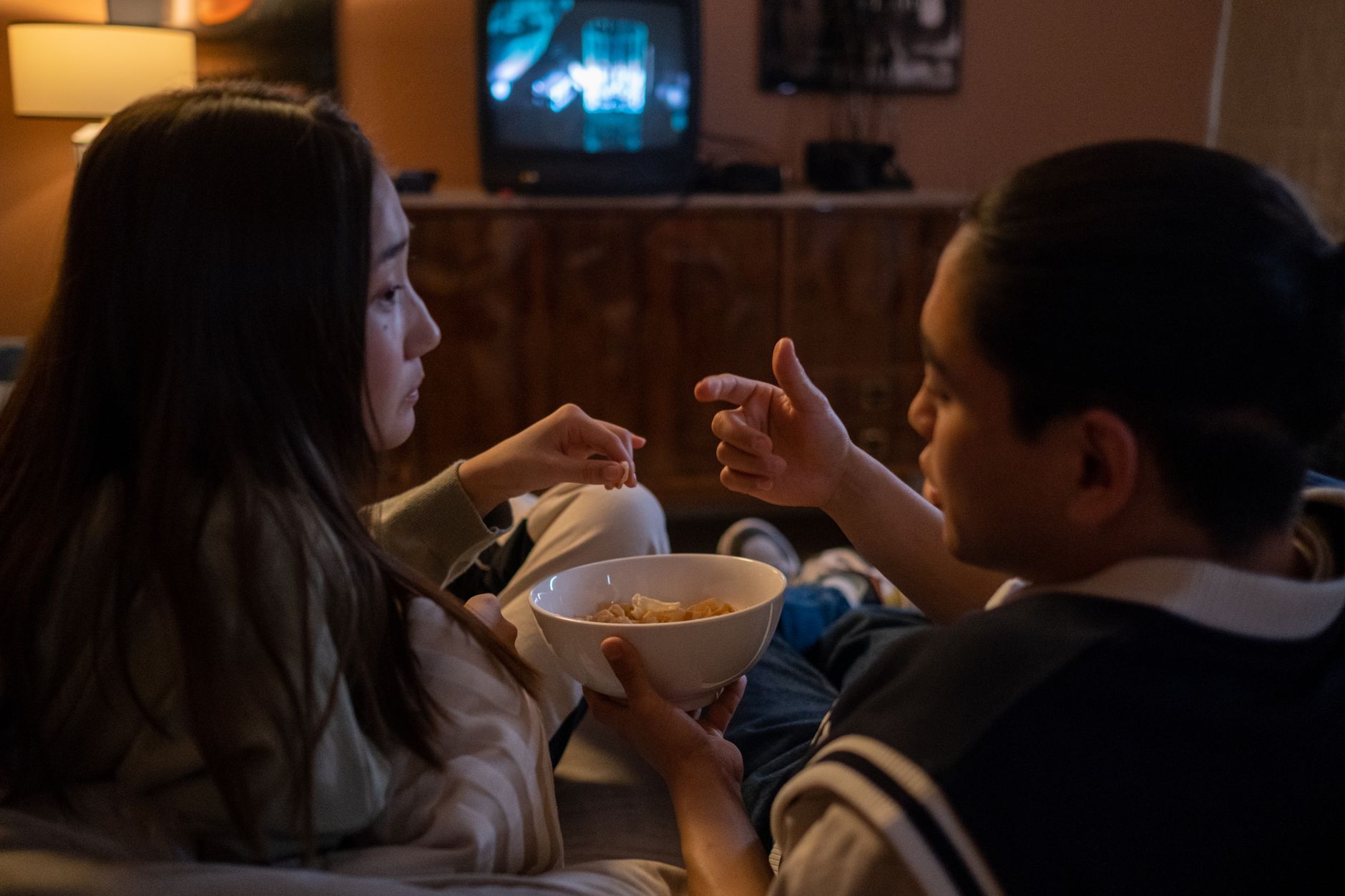
Reality TV now exists primarily as conversation fuel. The shows themselves are almost secondary to the sprawling ecosystem of podcasts, recaps, Reddit threads, and TikTok analysis they generate. Watching alone is missing the point—these shows are designed to be dissected collectively. Producers now create moments specifically engineered to generate discourse, and audiences reward them by treating each episode like a cultural event that demands immediate group processing.
Prestige Drama Got Too Predictable
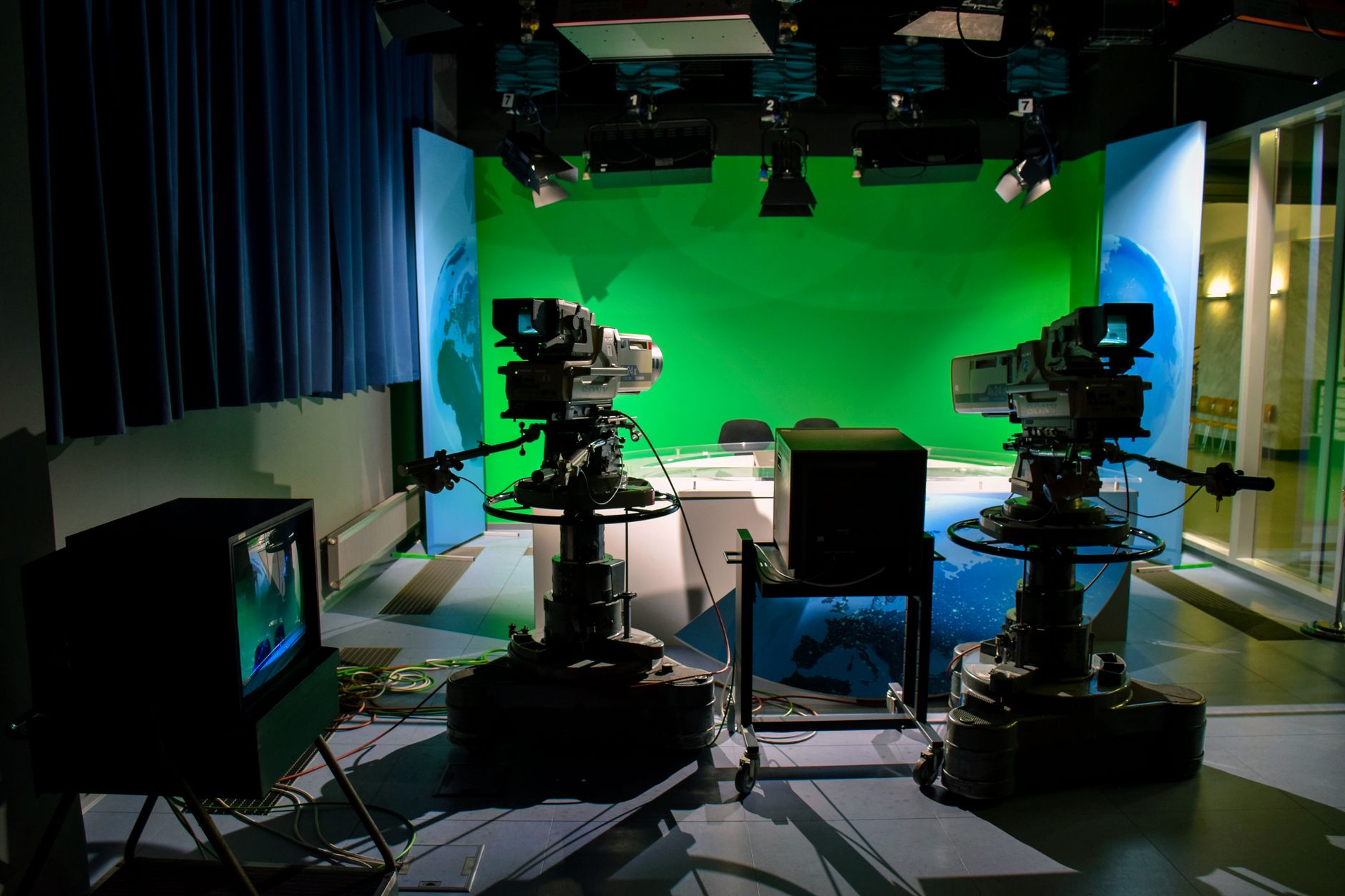
The prestige drama formula calcified into something you could see coming from three episodes away. Morally complex antihero, slow-burn pacing, ambiguous ending—we know this story. Reality TV offers something scripted television can't manufacture: actual surprise. No writers' room predicted Scandoval. No showrunner would have dared write that ending to The Mole. When prestige drama became too precious to take real swings, reality television became the only place to watch genuinely unexpected human behavior play out in real time.