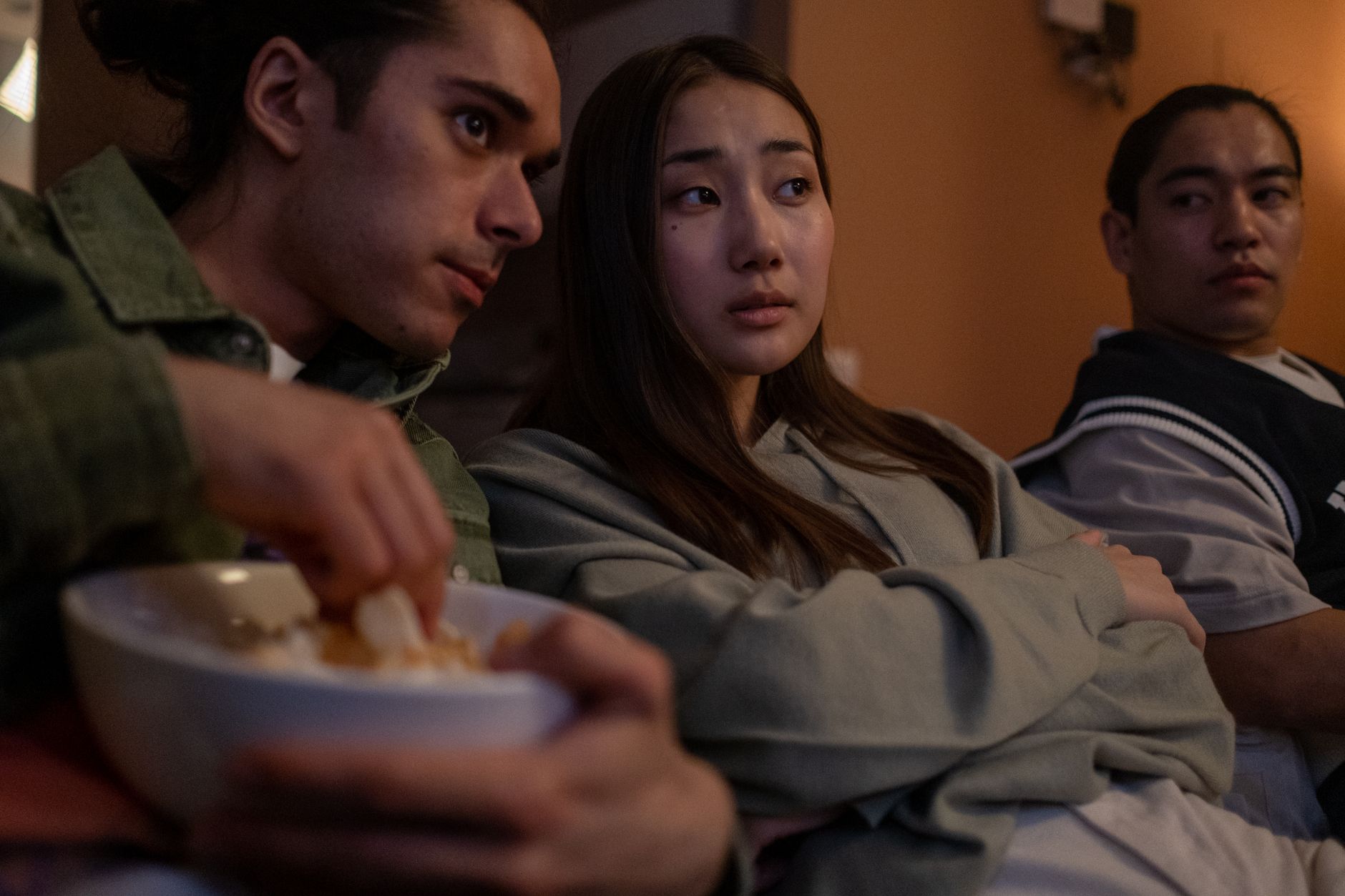
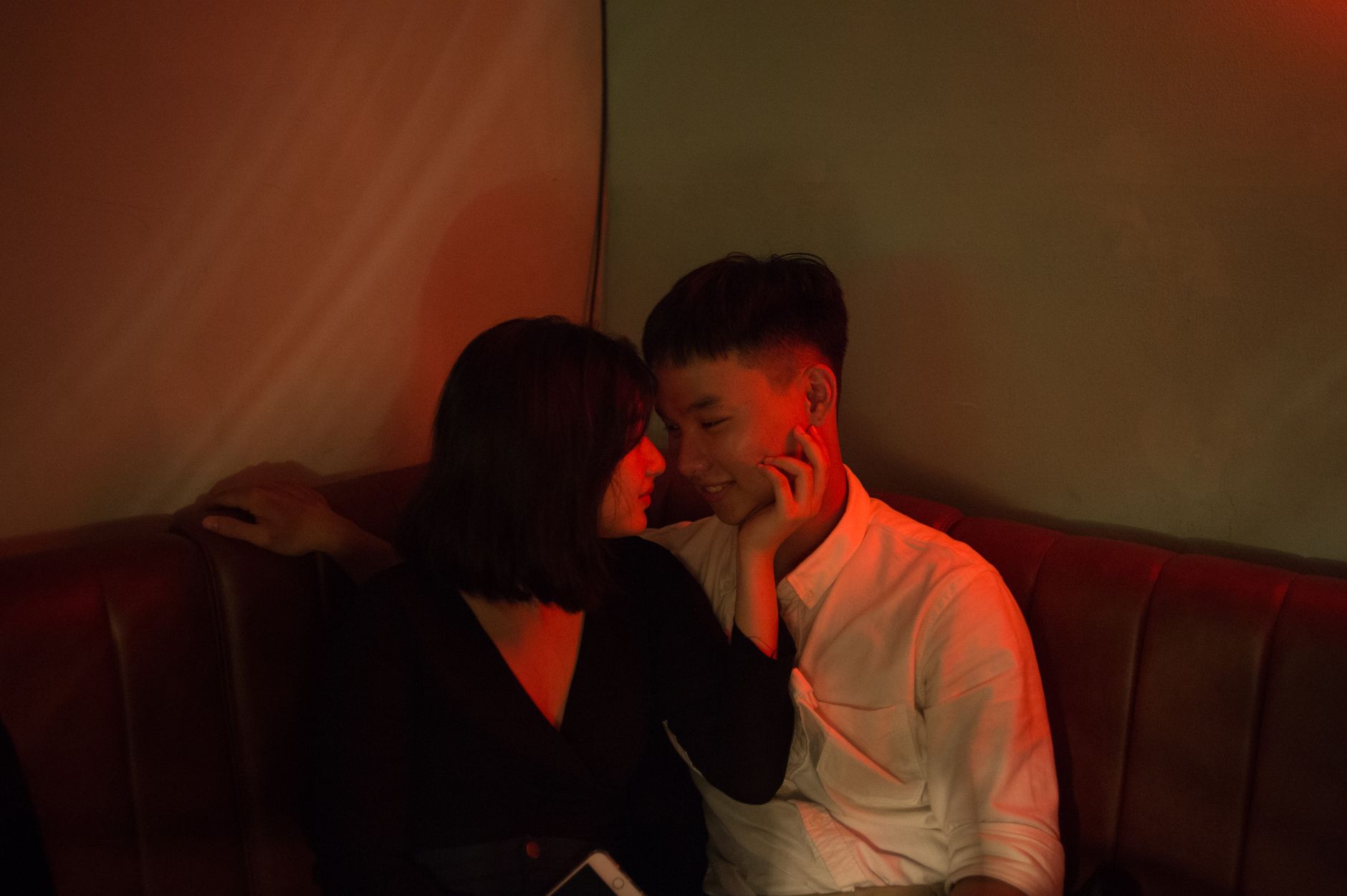
Halfway through the latest buzzy limited series, you realize you've seen this exact emotional beat in three other shows this year. The needle drop feels familiar. The aesthetic references something that referenced something else. You're not watching a story anymore—you're watching a algorithm-optimized mood board.
Reference exhaustion isn't about homage or inspiration. It's the creeping sense that every new piece of content is simply remixing the same finite pool of cultural moments, visual styles, and narrative structures. The industry has become a closed loop, feeding on itself while pretending to innovate. Here's how the cycle perpetuates itself.
The Spotify-fication of storytelling
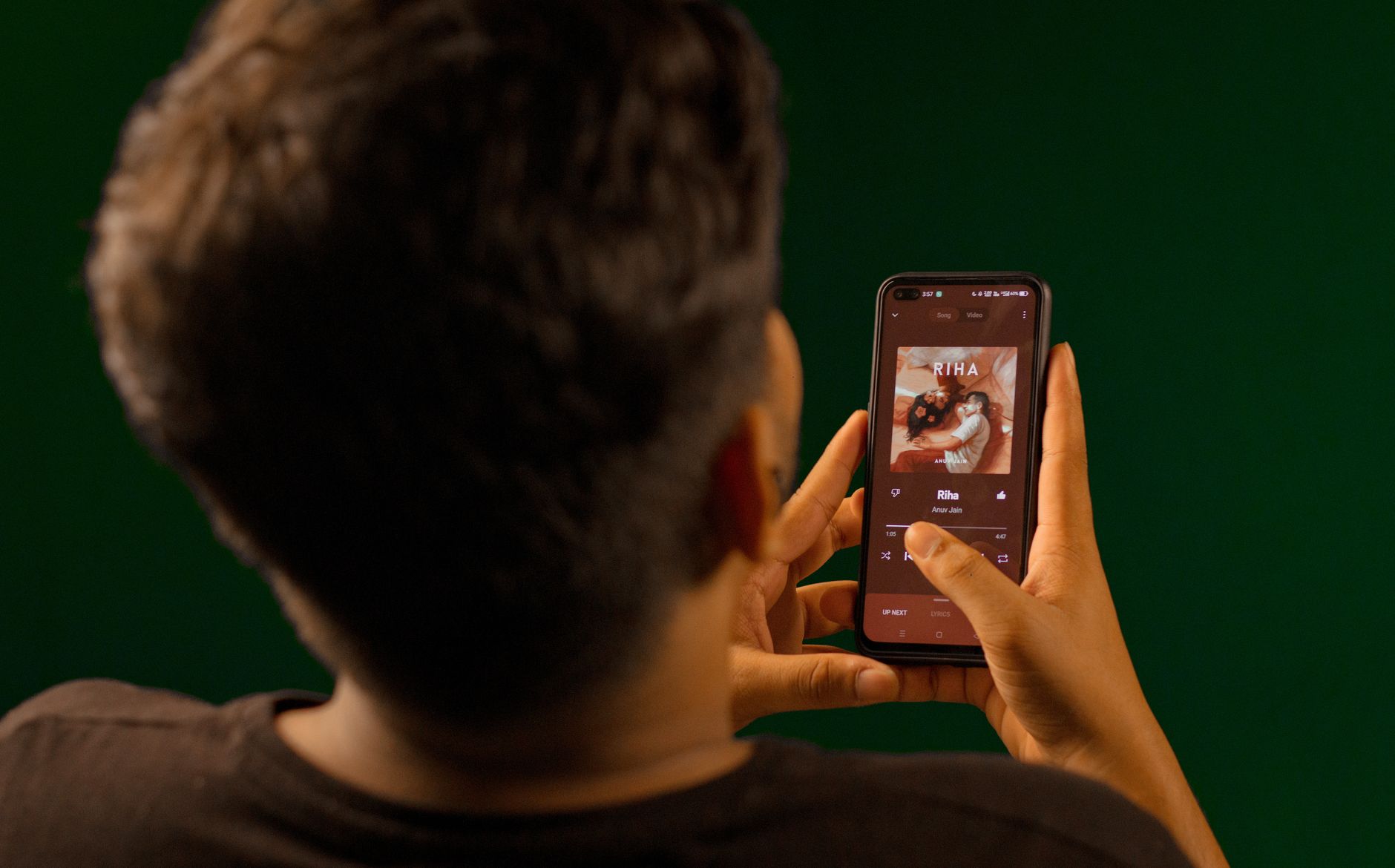
Streaming platforms now engineer content the way music services build playlists—optimizing for pattern recognition rather than originality. Every show needs to trigger three distinct nostalgia points, reference two established aesthetics, and deliver the emotional arc you've been conditioned to expect. The result is content that feels immediately familiar because it's designed to be. Nothing challenges you because challenge is bad for completion rates.

Showrunners trained by the same syllabus
The pipeline from prestigious MFA programs to writer's rooms has standardized what stories get told and how they're structured. Everyone studied the same Peak TV canon, absorbed the same lessons about prestige drama, learned to write in the same register. When the entire creative class has been educated by the exact same curriculum of reference points, genuine originality becomes structurally impossible. They're all solving for the same perceived formula.

IP cannibalism as business model
Studios have stopped pretending to greenlight original ideas. The entire development slate is reboots, requels, spin-offs, and "reimaginings"—a term that means taking something that already worked and hoping brand recognition does the marketing. Even supposedly new shows are pitched as "X meets Y," reducing creativity to a game of recombinant IP mathematics. The business model now actively prevents novelty from entering the system.

Aesthetic looting without context
Directors pull visual references from '70s paranoid thrillers, '80s neon palettes, '90s indie grit—but stripped of the cultural circumstances that made those aesthetics meaningful. You get the grain filter without the politics, the synth score without the economic anxiety, the handheld camera without the urgency. It's cosplaying as art history, creating a flat aesthetic landscape where everything is surface and nothing signifies beyond "remember this feeling?"

The TikTok feedback loop
Shows are now written with viral moments reverse-engineered into the structure—specific scenes designed to become reaction memes, needle drops chosen for TikTok soundtracking potential, characters crafted to spawn fan edits. This creates a self-referential spiral where content is created to generate social content about itself, which then influences the next round of content creation. The snake is eating its tail and calling it engagement strategy.

Prestige fatigue meets comfort viewing
Audiences burned out on challenging content have retreated to predictable comfort, and the industry has obliged with increasingly sophisticated variations on familiar templates. The lighting is prestige, the acting is prestige, the subject matter pretends to be prestige—but the bones are pure procedural, pure familiar structure, pure emotional paint-by-numbers. We've arrived at a place where "elevated" just means expensive-looking repetition.

Reference as substitute for depth
When characters are written entirely through cultural references—their personality expressed through what they watch, wear, listen to—you get simulacra instead of people. The reference becomes the depth. A character who mentions Cassavetes is supposed to read as complex, a '90s R&B needle drop is supposed to convey emotional interiority. The audience is doing the work the writing should be doing, filling in meaning from the reference catalog in their own heads.

The death of the cultural monoculture paradox
We produce more content than ever while cultural conversation narrows to the same few approved talking points. The fragmentation that was supposed to liberate us has instead created a desperate scramble to manufacture shared moments, resulting in content engineered for maximum recognizability. The final irony: in trying to give everyone something to talk about, the industry has ensured we're all having the same conversation about different versions of the same thing.