The reunion tour used to mean something. A band breaking up was permanent. A cancelled show stayed cancelled. A trend died and stayed buried for at least two decades before anyone dared resurrect it. Now we're drowning in comebacks, reboots, and revivals that arrive before the original thing has even cooled.
From Oasis announcing their reunion before their breakup memes stopped circulating to Y2K fashion returning while millennials who wore it the first time are still in their thirties, we've compressed the nostalgia cycle to the point of absurdity. This isn't just cultural repetition—it's something stranger. When everything comes back, nothing stays gone long enough to be truly missed.
The Nostalgia Cycle Is Now Shorter Than a Product Development Timeline
Brands are experiencing a peculiar problem: trends are boomeranging back before they've finished selling off original inventory. Low-rise jeans returned while high-rise stock was still on shelves. The 'clean girl aesthetic' got nostalgic think-pieces before it finished its initial run. When the culture moves faster than supply chains, you're not reviving anything—you're just spinning in circles while calling it curation.

Reunion Tours Have Become the Primary Business Model, Not the Exception
Breaking up is now a strategic career move. Bands are scheduling reunions in their initial contracts. The 'farewell tour' is a genre unto itself, performed multiple times by the same artist. When Rage Against the Machine spends more years reunited than they did originally together, and when every disbanded group from your adolescence is suddenly playing festivals, the reunion has lost its narrative power. It's just touring with extra press coverage.
Streaming Platforms Killed the Concept of 'Cancelled'
Shows don't end anymore—they pause. Arrested Development, Gilmore Girls, Sex and the City, even Frasier: everything gets another season eventually, whether it needs one or not. Netflix and its competitors have turned 'cancelled' into 'on hold,' erasing the finality that once gave TV its stakes. The result isn't just bad reboots—it's the death of closure itself as a narrative concept.
We're Nostalgic for Things That Happened Three Years Ago
TikTok is flooded with 'remember when' videos about 2021. People are already romanticizing pandemic-era trends. The internet has accelerated cultural memory to the point where we're experiencing nostalgia in near-real-time, treating the recent past like ancient history. When three-year-old tweets get the 'vintage' treatment, we've broken the fundamental mechanism that makes nostalgia meaningful: distance.
The Revival Economy Is Cannibalizing New Creativity
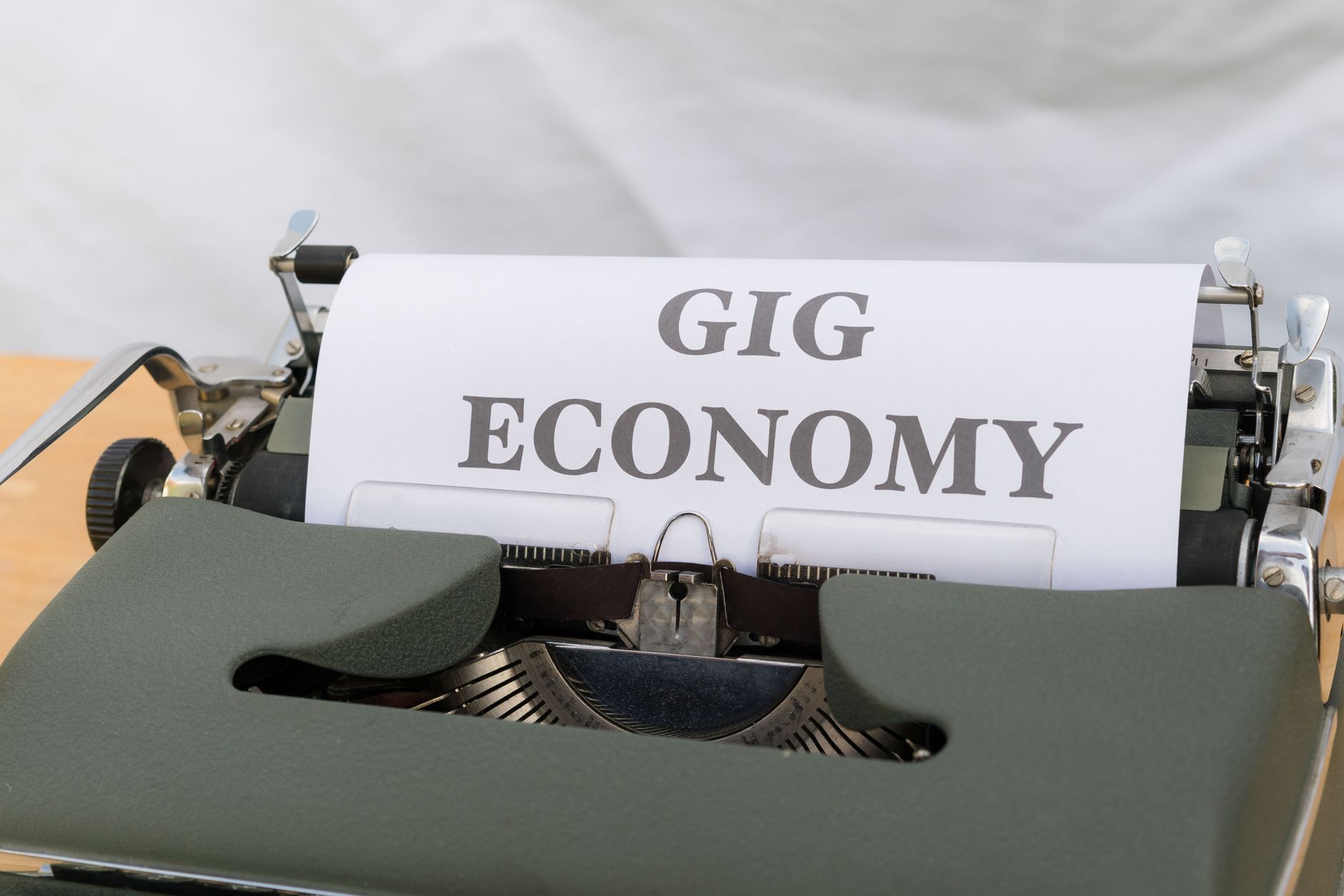
Studios won't greenlight original IP when they can remake something with built-in name recognition. Record labels prioritize reunion albums over developing new artists. Investment flows toward the proven past rather than the uncertain future. The economic incentive structure now favours resurrection over creation, which means the culture isn't just stagnating—it's actively de-prioritizing the new.
Younger Generations Are Experiencing Everything Secondhand First
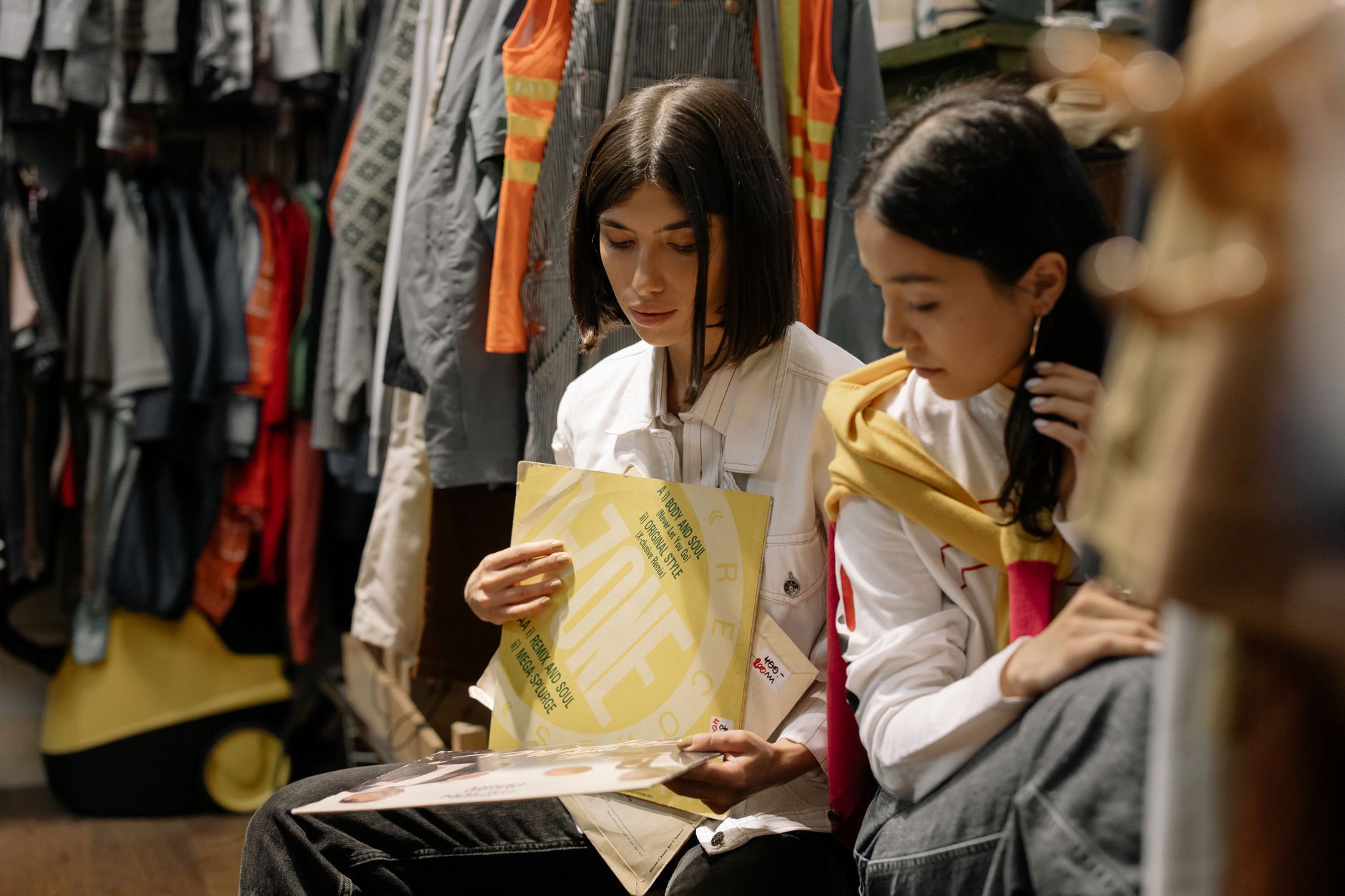
Gen Z's formative cultural experiences are largely revivals of millennial or Gen X originals. Their biggest bands are reunions. Their defining aesthetics are recycled. Their blockbusters are reboots. They're building identity around cultural products designed to trigger someone else's nostalgia. What happens to a generation that inherits everything pre-loved, pre-contextualized, pre-mythologized?

The 'Permanent Present' Erases Cultural Eras Entirely
When all decades exist simultaneously in the cultural feed—'80s synth, '90s grunge, '00s emo, '10s minimalism all circulating at once—we stop having distinct eras. The algorithmic flattening of time means nothing feels definitively 'of the moment' because the moment contains every other moment. We're approaching a monoculture of constant recall, where periodization becomes impossible and everything is vaguely 'now-ish.'

The Only Transgressive Act Left Is Letting Something Stay Dead
In a culture addicted to resurrection, the radical move is permanence. Ending something and meaning it. Letting a band stay broken up. Allowing a show to remain in its era. Wearing something genuinely new instead of referencing 2004. The refusal to participate in the reunion economy—to let the past be past—is becoming the only authentic rebellion available. Finality, it turns out, is the last remaining luxury.
- The Nostalgia Cycle Is Now Shorter Than a Product Development Timeline
- Reunion Tours Have Become the Primary Business Model, Not the Exception
- Streaming Platforms Killed the Concept of 'Cancelled'
- We're Nostalgic for Things That Happened Three Years Ago
- The Revival Economy Is Cannibalizing New Creativity
- Younger Generations Are Experiencing Everything Secondhand First
- The 'Permanent Present' Erases Cultural Eras Entirely
- The Only Transgressive Act Left Is Letting Something Stay Dead