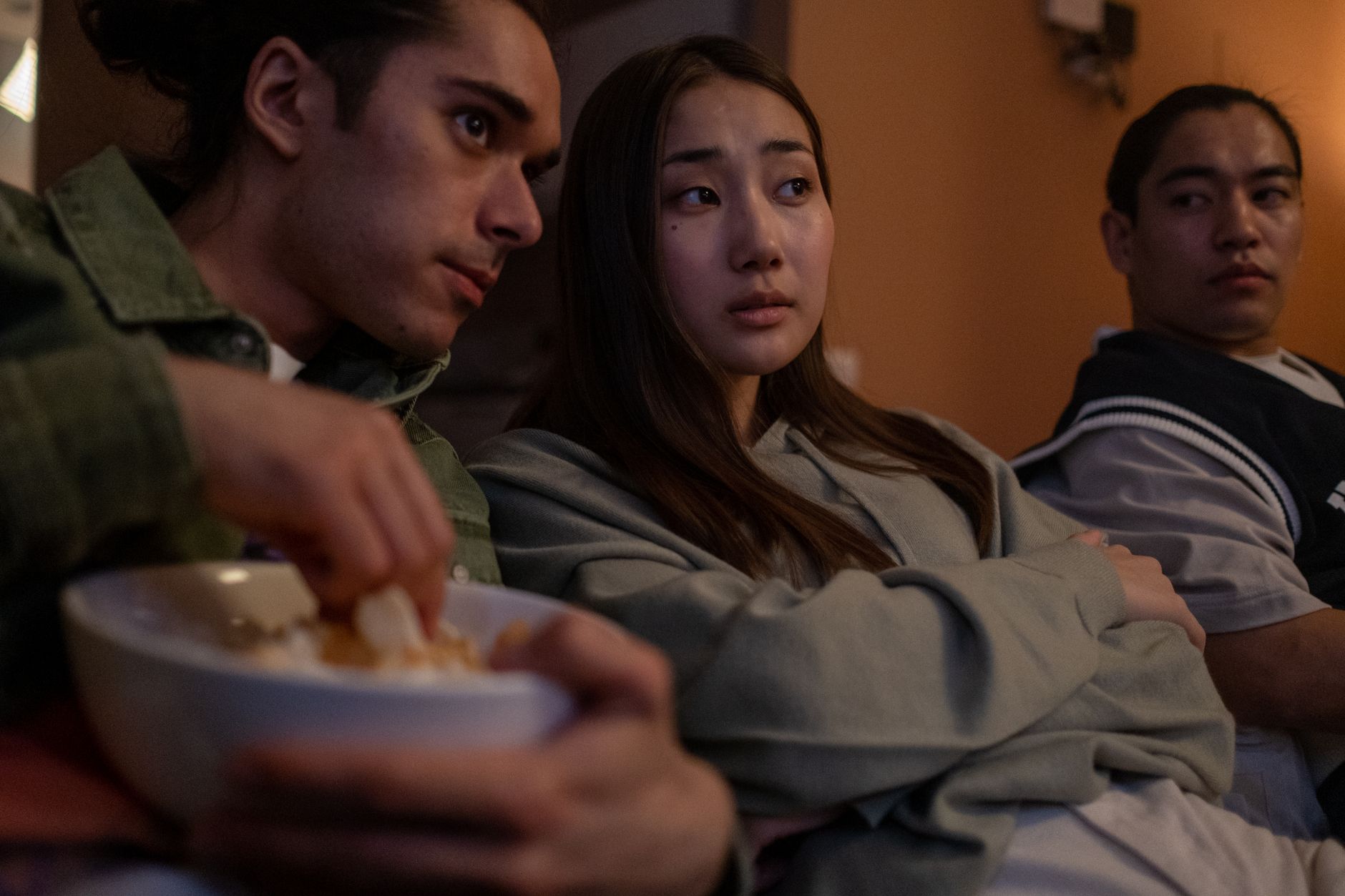
The house lights drop. Twenty thousand phones rise. For the next two hours, they won't come down. This isn't distraction—it's the entire point. Somewhere between Instagram Stories and TikTok virality, we stopped going to concerts to experience them. We go to extract them.
Concert footage has become a parallel economy. Your night at the Eras Tour is worth exactly what your documentation delivers: followers gained, group chats impressed, proof of access secured. The show itself? That's just raw material. Welcome to the screenshot economy, where memory is worthless and content is everything.
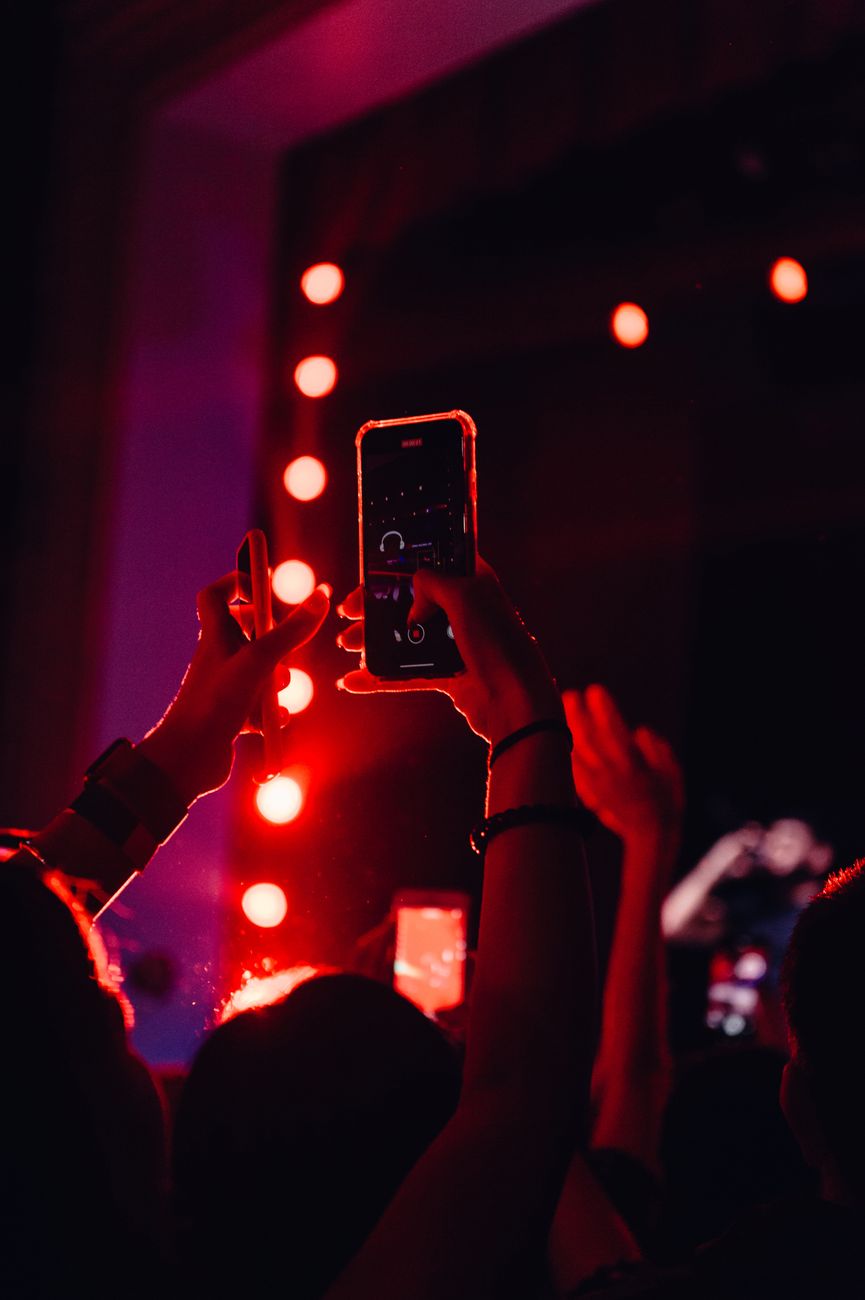
The Capture Mandate Replaces the Experience
Nobody watches the stage anymore—they watch their screen watching the stage. The experience has been restructured around its documentation. You're not there to see Beyoncé; you're there to film seeing Beyoncé. The difference is everything. This isn't about preserving memory. It's about manufacturing proof of cultural participation that can be traded, shared, and converted into social capital the moment you leave the venue.
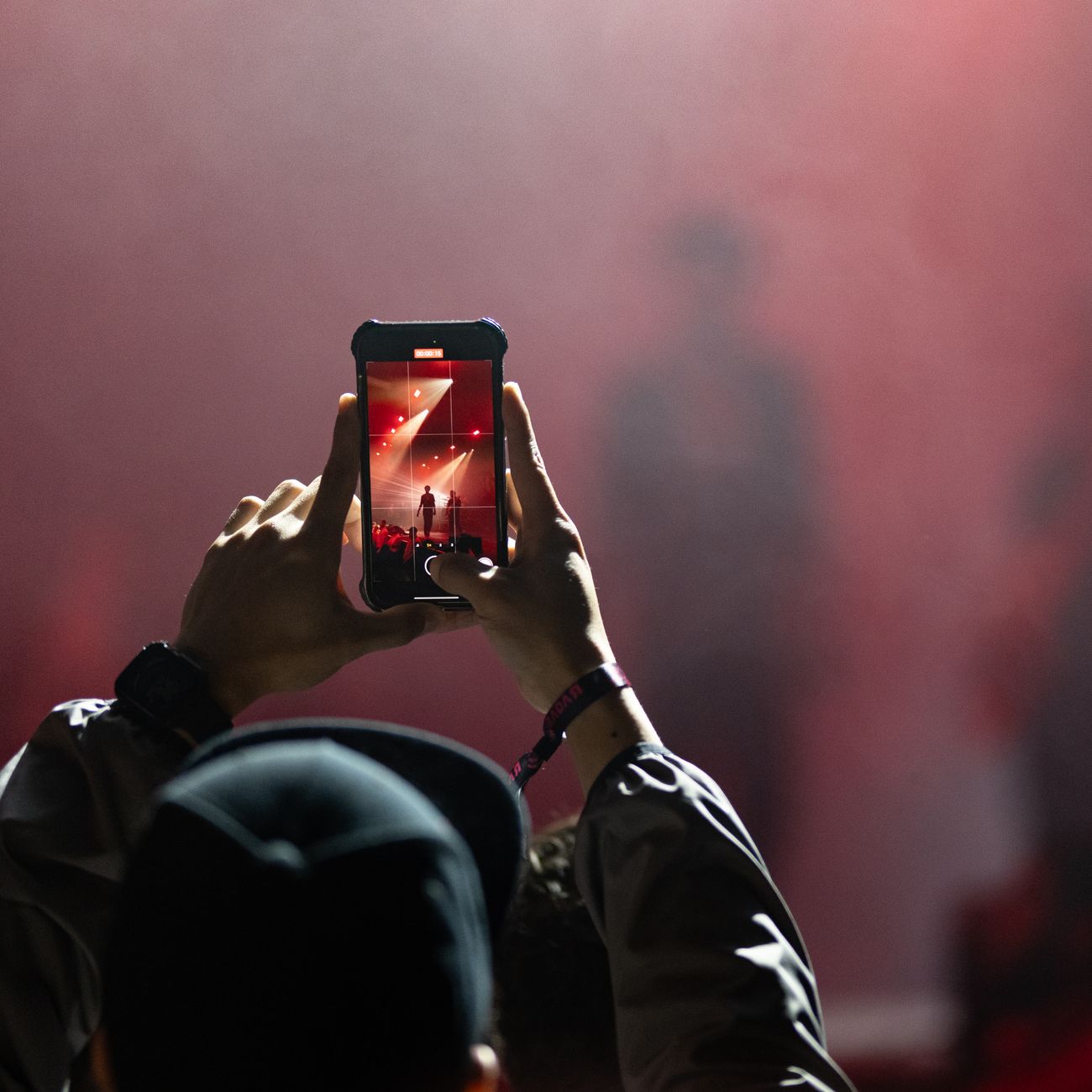
Resale Culture Runs on Video Evidence
Concert tickets now come with an invisible tax: the content creation requirement. The footage you capture justifies the price you paid, retroactively. Spent $400 on nosebleed seats? Better get a viral moment. The transaction isn't complete until your Instagram Story performs. Ticketmaster sells access, but audiences are really buying the right to generate proprietary content that proves they have access to experiences other people don't.
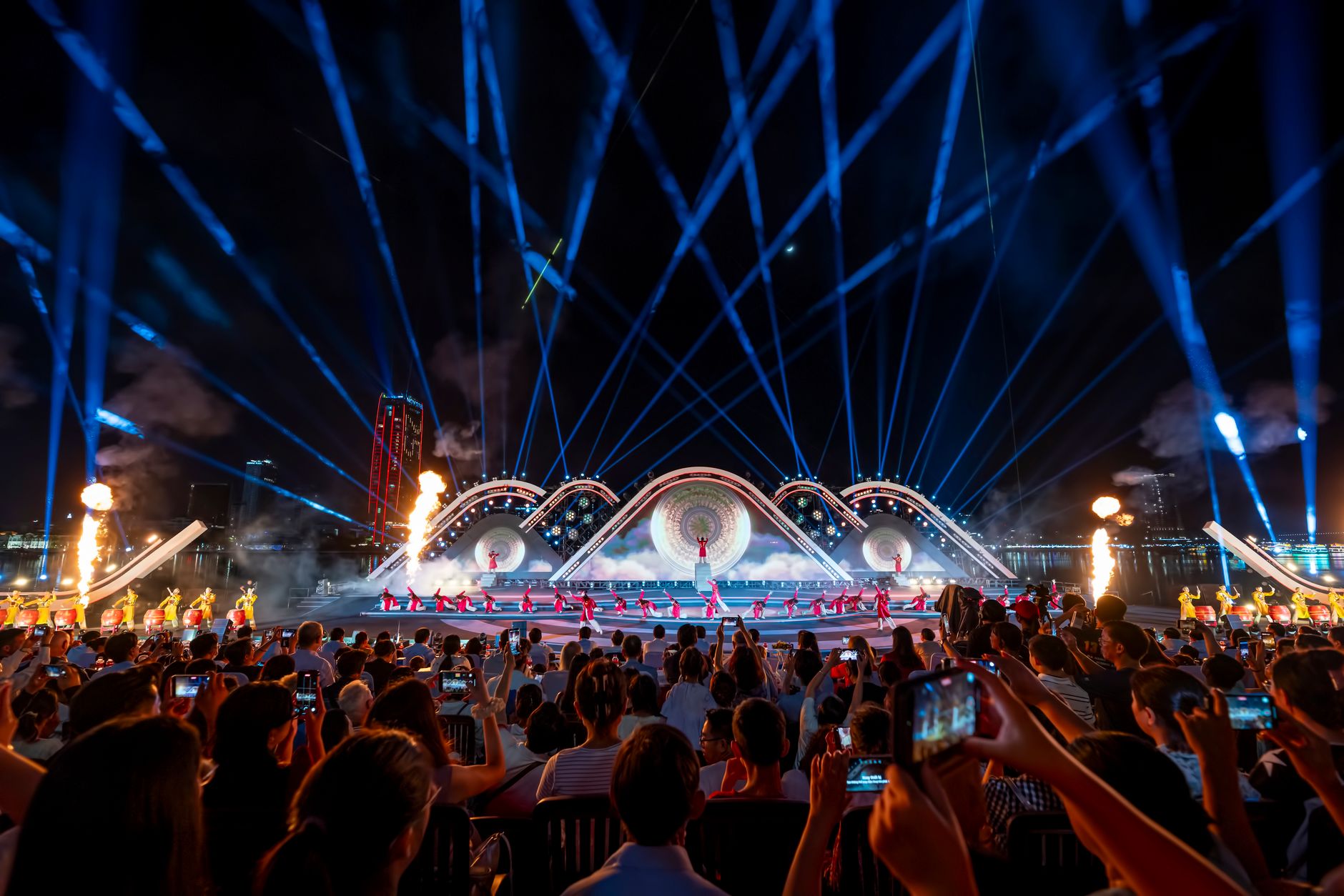
Artists Perform for Phones, Not People
Taylor Swift engineers moments designed for the screenshot economy. Every surprise song, every outfit change, every stage configuration is optimized for vertical video capture. Artists know the real audience isn't the arena—it's the algorithm. They've stopped fighting the phones and started choreographing for them. The show is no longer the product; the footage of the show is. Live performance has been redesigned as a content generation studio where tickets are really production access.
FOMO Runs on Real-Time Documentation
The screenshot economy operates in real-time or not at all. Posting concert footage the next morning is already archeology. The value exists in the live broadcast, the immediate proof that you're there while everyone else is watching from their couch. Stories expire in 24 hours because cultural currency depreciates instantly. Being at the concert matters less than being seen at the concert, and being seen only counts if it happens while the show is still running.

Memory Becomes Externalized Entirely
Ask someone about the concert and they'll show you their camera roll, not tell you what they remember. Because they don't remember—they were filming. The footage replaces memory rather than preserving it. We've externalized experience entirely. The show exists as 47 Instagram Stories and 200 camera roll videos that will never be watched again. The paradox is perfect: we document everything to remember it, then remember nothing because we were documenting.
Status Signals Require Constant Broadcasting
A VIP ticket without documentation is just an expensive seat. The screenshot economy has made cultural status dependent on broadcast. Being there isn't enough—you need receipts. Floor seats, backstage access, the perfect sightline: none of it matters if your audience doesn't see it. Social status now requires real-time evidence streams. The wealthy don't just buy better experiences; they buy experiences that look better on camera, which is a completely different calculation.
The Post-Show Edit Determines Event Value
The concert doesn't end when the lights come up. It ends when you finish editing. The real work happens in the parking lot, curating footage, selecting the best clips, adding the right song snippets that won't get flagged for copyright. You're not a fan anymore—you're a content producer with a one-night licensing deal. The event's value is determined entirely by how well your edit performs. Bad footage means wasted money. The concert was just the shoot.