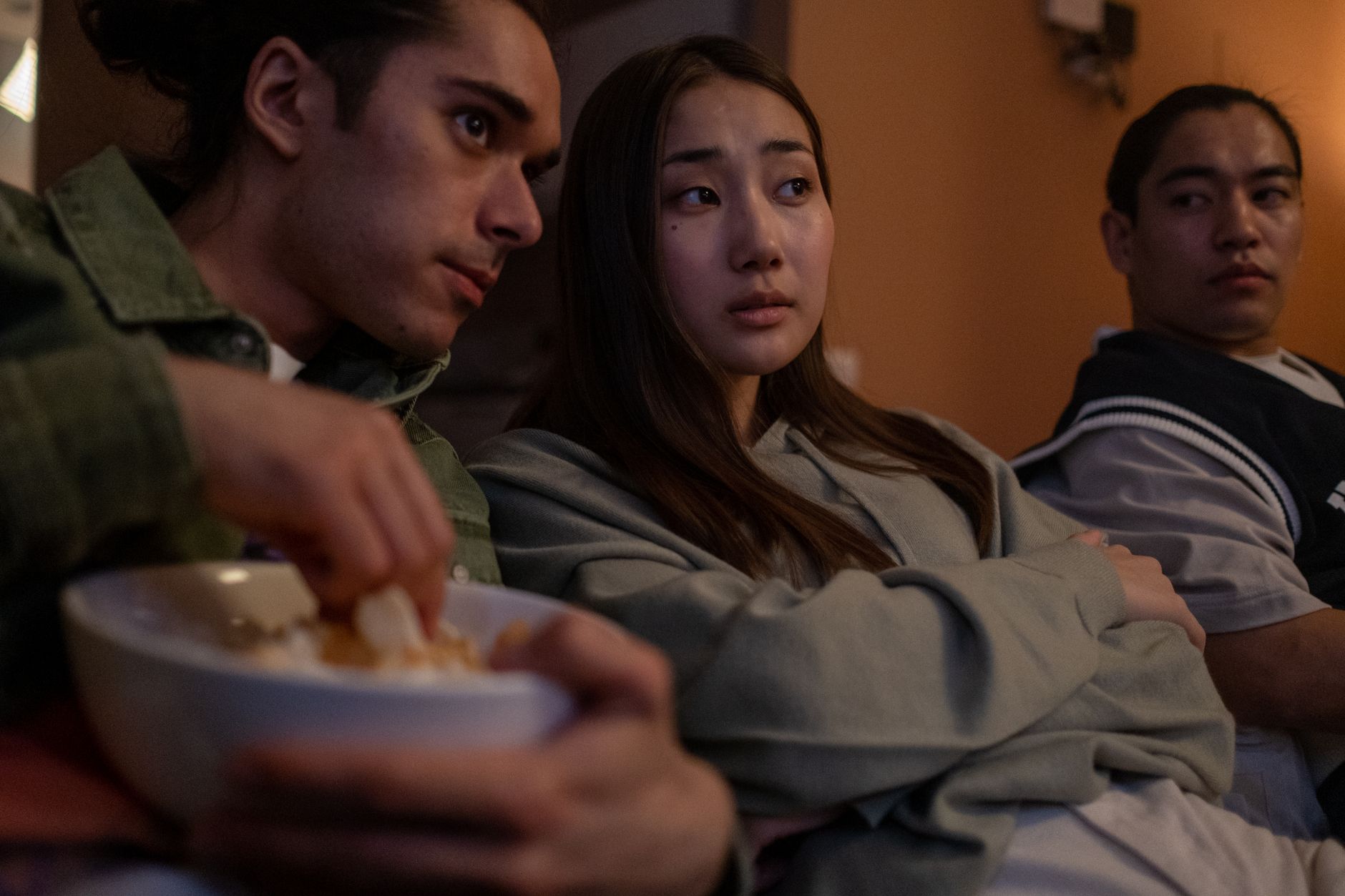
The living room has evolved into a command center. One screen streams the content, another streams the commentary, and somewhere between the two, the actual watching happens—fractured, distracted, but somehow more engaged than ever.
This isn't about shortened attention spans or digital addiction. It's about a fundamental shift in how we process entertainment. The second screen isn't disrupting the viewing experience—it's completing it. Here are eight trends driving the dual-screen takeover.

Live-tweeting became the new laugh track
Streaming killed appointment television, but social media resurrected it. Shows like The White Lotus and Succession turn Twitter into a real-time writers' room where millions process plot twists collectively. The difference is brutal: watch alone and you're consuming content; watch with your phone and you're part of the discourse. Networks now design moments specifically for virality—lines that screenshot well, scenes that spark debate threads.

The Wikipedia spiral legitimizes distraction
That nagging question—where have I seen that actor before?—used to go unanswered until credits rolled. Now IMDb sits open in another tab, character wikis explain backstory in real-time, and Reddit threads decode cryptic dialogue before the episode ends. This fragmented attention isn't laziness; it's active learning. Prestige TV has become so reference-heavy, so densely layered, that the second screen transforms from distraction into decoder ring.

TikTok spoilers reach you before streaming does
Global release strategies collapsed under algorithmic pressure. Someone in Australia finishes the finale six hours before you, clips it, and their TikTok lands on your For You page before breakfast. The spoiler economy now moves faster than content distribution itself. Studios scramble with simultaneous worldwide drops, but the truth is simpler: in the attention marketplace, being first matters more than being unspoiled. Viewers have made their choice.

Second screens split households into parallel realities
Shared viewing no longer means shared experience. Two people watch the same show on the same couch while occupying completely different narrative universes—one scrolling cast interviews, the other reading recaps, neither fully present. What looked like intimacy fractures into adjacent isolation. The irony cuts deep: we're more connected to strangers parsing the same show online than to the person sitting eighteen inches away, bathed in the same screen glow.

Fan theories now shape canon in real-time
Showrunners read Reddit. Writers' rooms monitor discourse. When a fan theory gains enough traction between episodes, it influences what happens next—or gets deliberately subverted. This feedback loop erases the boundary between audience and creator, turning every viewer with a Twitter thread into a phantom collaborator. Television used to be a finished product delivered to passive consumers. Now it's a negotiation, and the second screen is where terms get dictated.

Group chats replaced water cooler conversations
The next morning's office recap died with remote work, but the group chat hums with reactions before the credits finish rolling. Messages layer over dialogue, emoji reactions arrive mid-scene, and by the time you've processed the cliffhanger, seventeen people have already declared it either genius or unwatchable. This real-time collective processing doesn't diminish the experience—it amplifies it, creating a sense of event where streaming's on-demand nature should have eliminated one.
Fact-checking reality TV became competitive sport
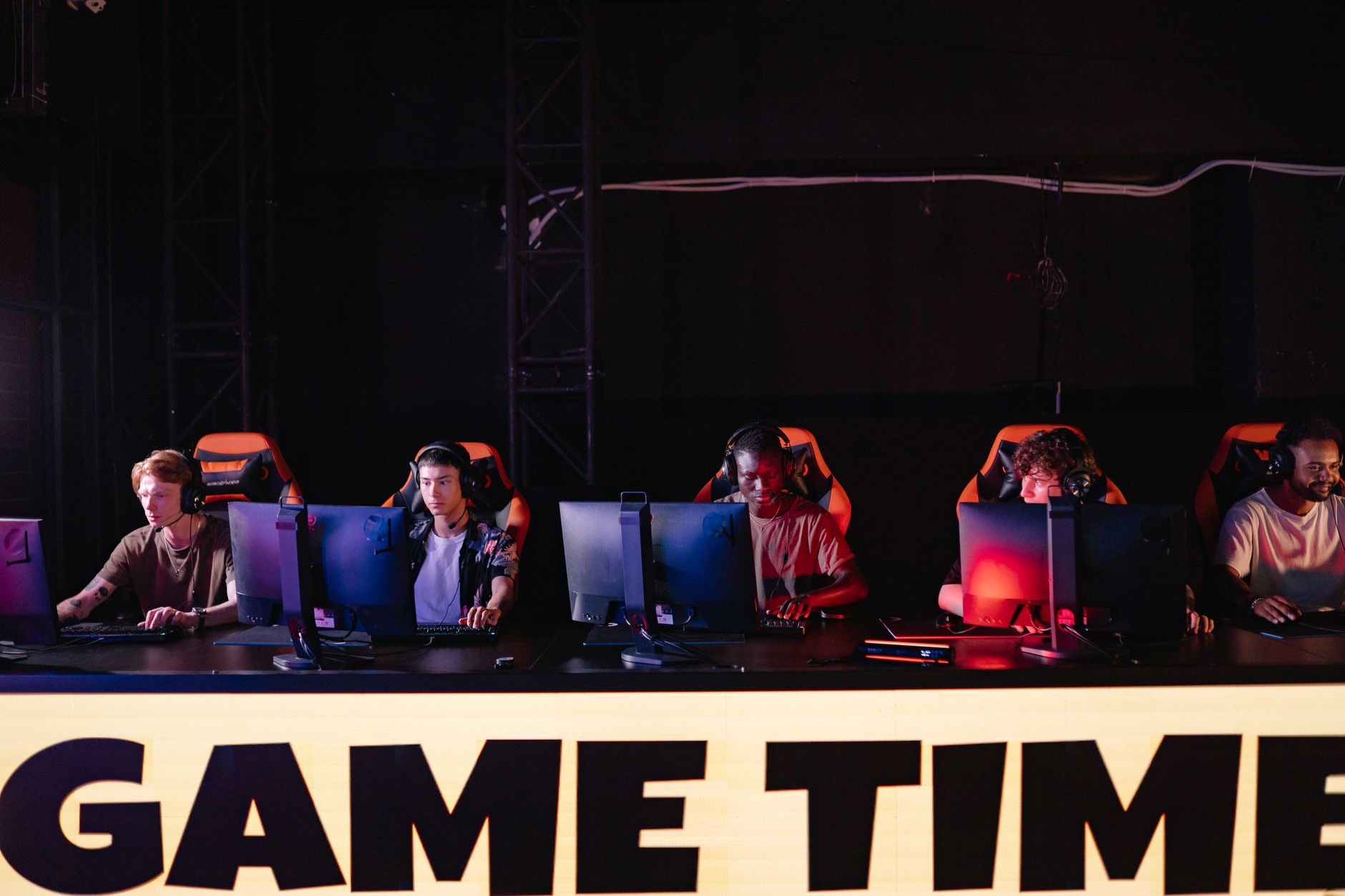
Reality television thrives on manufactured conflict and strategic editing, but eagle-eyed viewers armed with Google Maps, Instagram archives, and frame-by-frame analysis expose continuity errors, timeline inconsistencies, and producer manipulation in real-time. What started as casual skepticism evolved into forensic investigation. The second screen transformed audiences from believers into auditors, and in doing so, created a new layer of entertainment: catching the show in its lies.

Streaming metrics now measure distraction, not attention
Netflix counts a view if you watch for two minutes. That metric was designed for an era when watching meant watching. Now analytics teams grapple with a harder truth: completion rates tell you nothing about actual attention. Someone might finish an entire series while scrolling through their phone, retaining almost nothing. The industry built itself on eyeball time, but eyeballs pointing at a screen no longer guarantee a mind engaged with what's on it.
- Live-tweeting became the new laugh track
- The Wikipedia spiral legitimizes distraction
- TikTok spoilers reach you before streaming does
- Second screens split households into parallel realities
- Fan theories now shape canon in real-time
- Group chats replaced water cooler conversations
- Fact-checking reality TV became competitive sport
- Streaming metrics now measure distraction, not attention