Somewhere between algorithmic personalization and main character syndrome, concert audiences forgot they're attending a performance, not placing a DoorDash order. Artists now dodge flying phones mid-song while fans scream requests like they're at a wedding reception. The social contract of live music—you show up, they perform what they want—has been renegotiated without the artist's consent.
This isn't about enthusiasm. It's about entitlement dressed up as fandom. Five shifts that turned audiences into setlist dictators.
The phone-throwing epidemic went from quirky to dangerous
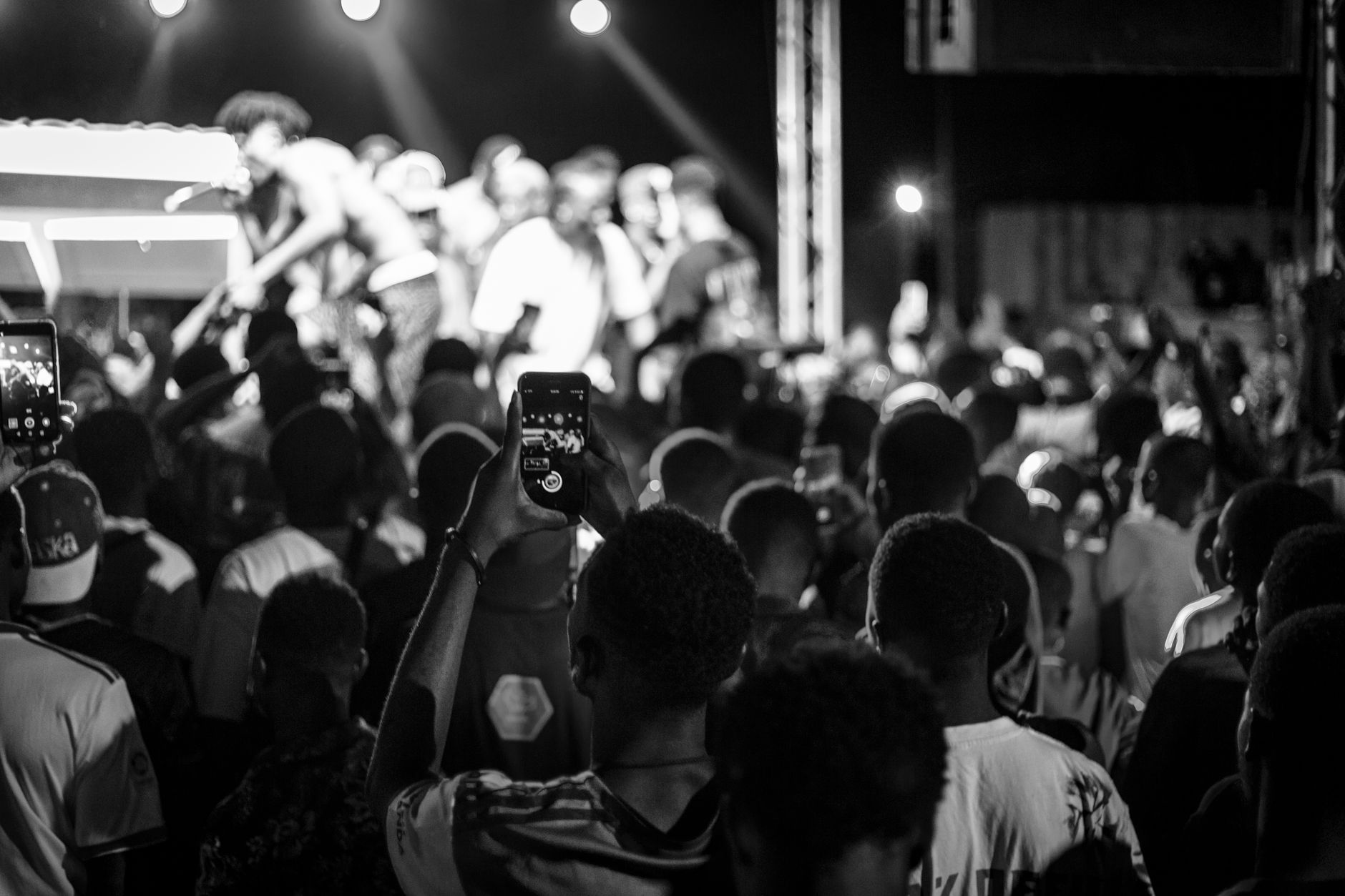
What started as isolated incidents became a trend with its own TikTok hashtag. Bebe Rexha got stitches. Ava Max got slapped by a fan who rushed the stage. Artists now perform behind mental calculations of trajectory and impact. The logic is deranged: throw your $1,200 device at someone's face to request a song they might not even remember recording. It's not connection—it's assault with a side of narcissism, because of course they filmed it.
Spotify brain rewired how people think music works
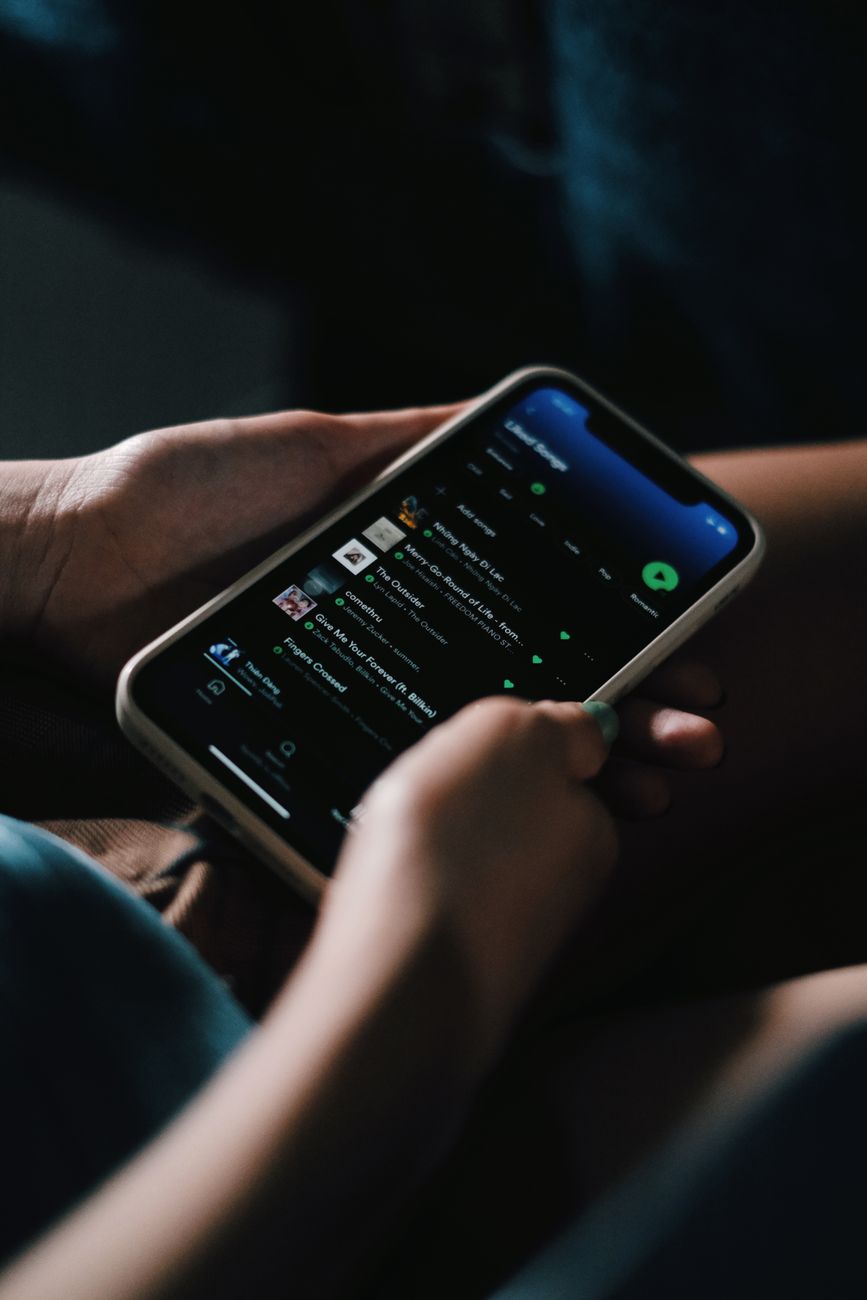
When your entire musical experience involves skipping, shuffling, and curating, you forget that artists are humans with creative intent, not algorithms serving your mood. Streaming platforms trained audiences to expect instant gratification and total control. Now they bring that energy to venues, genuinely confused why an artist won't just play their 2017 single on command. The setlist isn't a suggestion box. It's a narrative someone spent months crafting.

Social media turned concerts into content opportunities
Nobody's watching the show—they're watching themselves watch the show. The goal isn't experience, it's evidence. Requesting songs isn't about hearing them live; it's about capturing that moment for your Story, your FYP, your proof you were there. Artists have become props in someone else's content strategy. The desperation to manufacture a viral moment—yelling loud enough to get noticed, throwing something to get a reaction—has replaced actually being present.
Artists are setting boundaries, finally
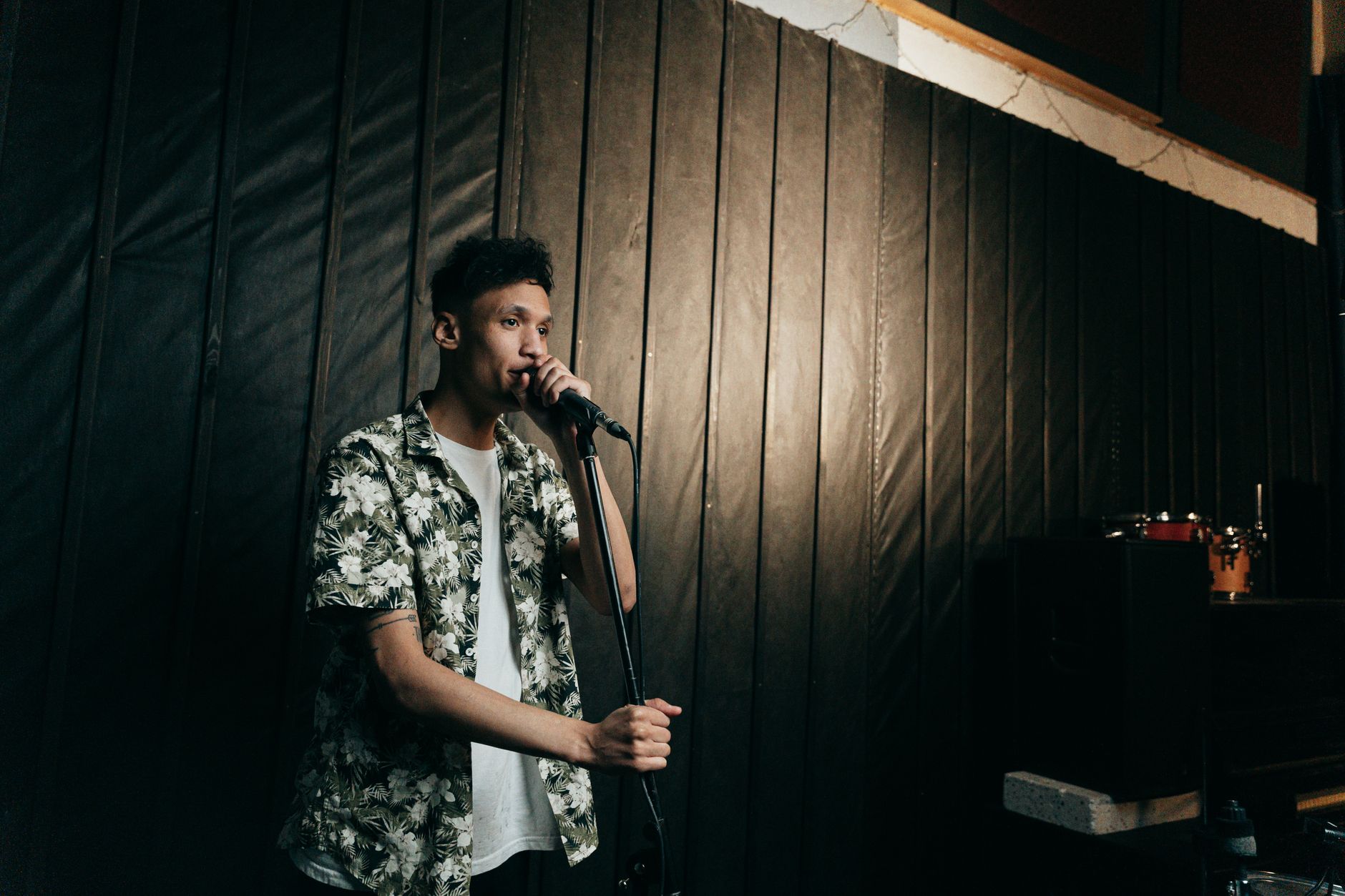
Adele stops mid-song to scold phone-throwers. Billie Eilish pauses shows to call out disrespectful behavior. Artists are realizing that silence reads as permission. Some now post pre-show ground rules on social media. Others have security remove disruptive fans without hesitation. The shift is generational—younger artists who grew up with boundary language are less willing to endure harassment for the sake of seeming grateful. Politeness isn't protocol when your safety is negotiable.
The death of concert etiquette reflects larger cultural rot
This isn't just about music. It's about grocery store samples becoming full meals, airplane passengers treating flight attendants like servants, everyone everywhere acting like the world is their personal customer service desk. The idea that you're not always the center of every experience has evaporated. Concerts are communal rituals, not personalized experiences optimized for your preferences. But we've raised a generation on customization and called it empowerment. Now artists pay the price for our collective failure to understand that some things aren't about you.