Somewhere between open-plan living and the work-from-anywhere revolution, we lost something fundamental: quiet. Now we're buying it back, one acoustic panel at a time.
Soundproofing used to be the domain of recording studios and angry landlords. Today, it's showing up in design magazines, influencer hauls, and luxury real estate listings with the same reverence once reserved for marble countertops. The message is clear—controlling your sonic environment isn't paranoid, it's aspirational.
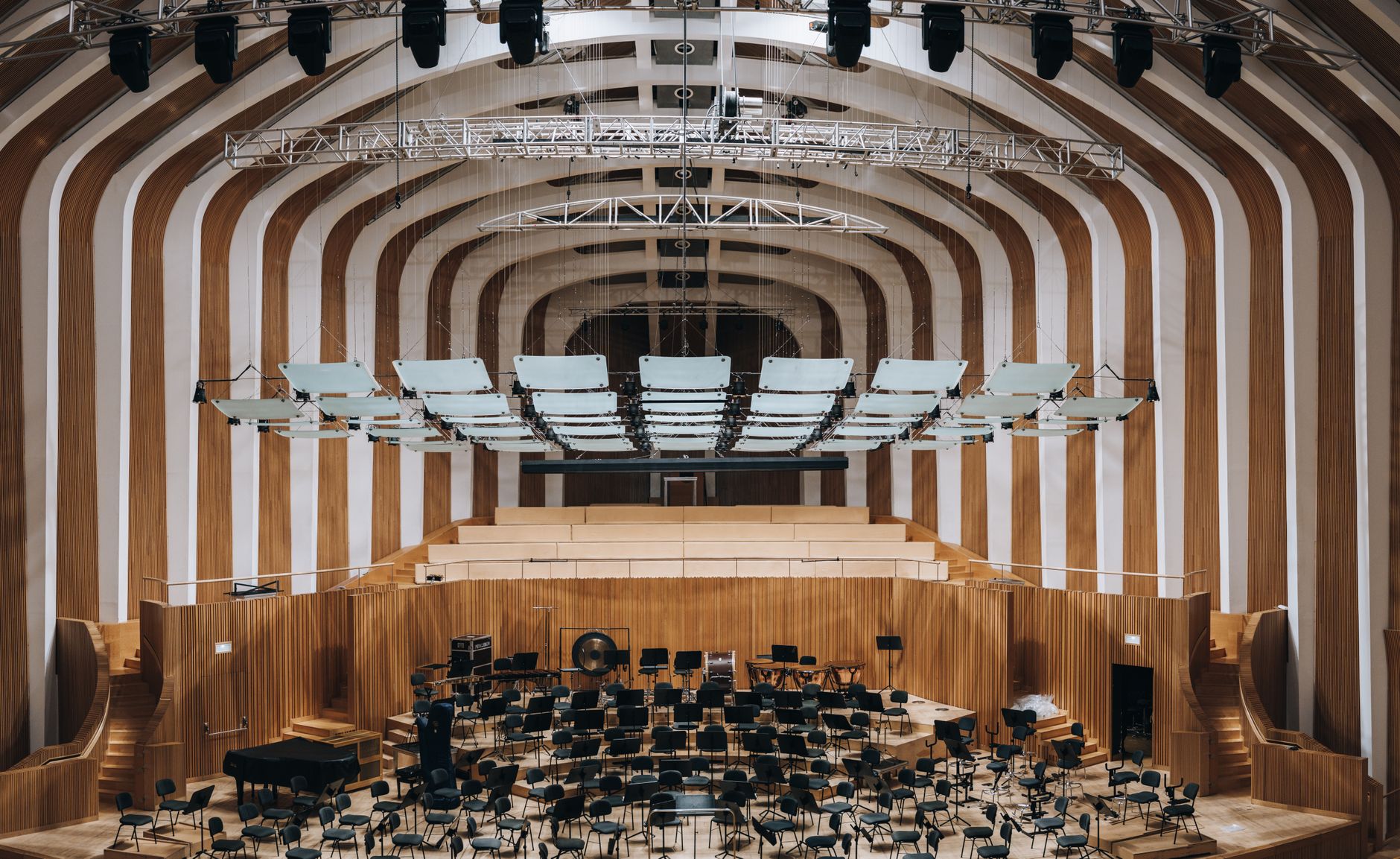
Acoustic Panels Became Wall Art
The aesthetic breakthrough happened when designers realized soundproofing didn't have to look institutional. Now acoustic panels come in bouclé, carved walnut, and custom colorways that cost more than the couch they're protecting. Brands like Sonos Architectural and Acousticpearls turned functional noise barriers into sculptural statements, proving you can flex on your neighbors while literally blocking them out. This isn't problem-solving—it's a design philosophy.
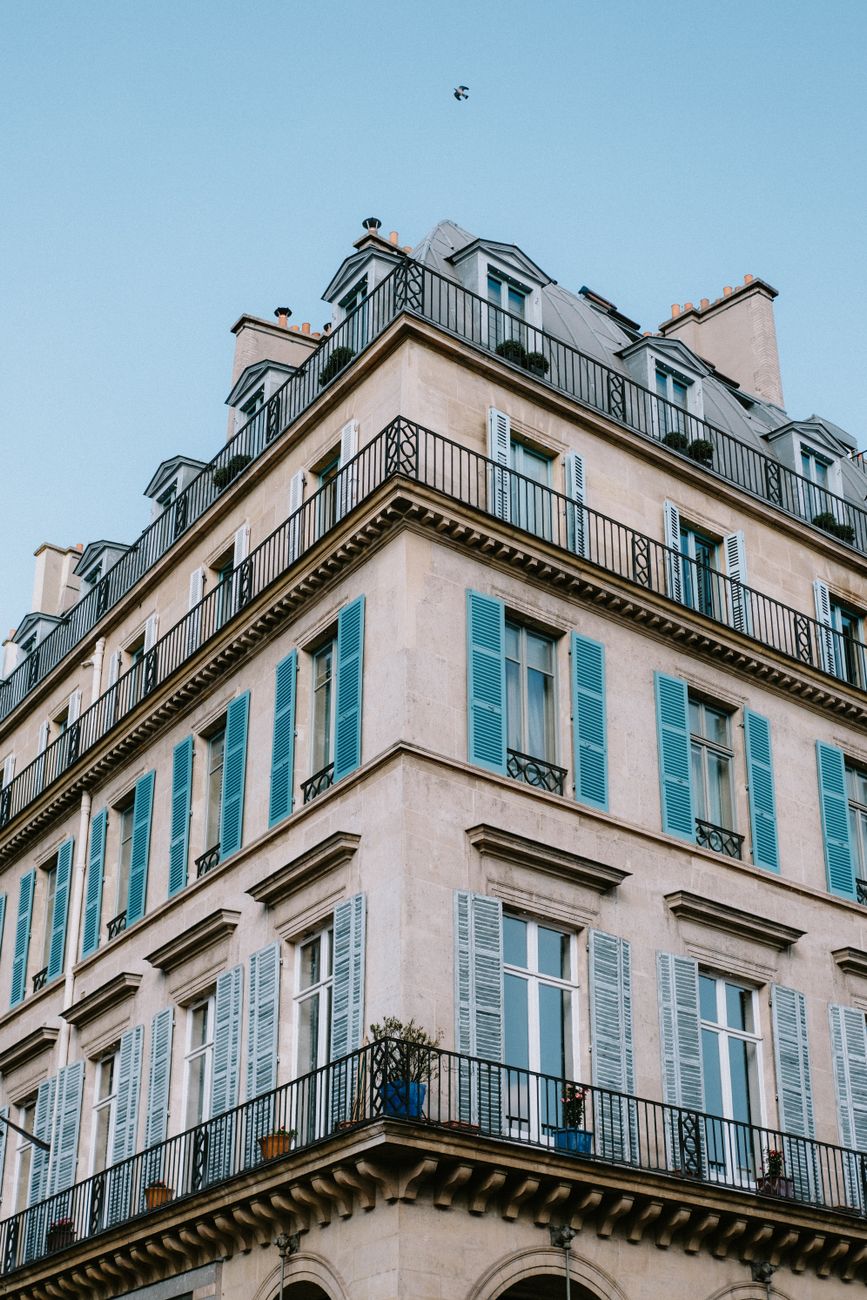
Silence Became a Listing Feature
Real estate agents now tout STC ratings (Sound Transmission Class) alongside square footage, because buyers have figured out that space means nothing if you can hear everything. High-end developments are installing triple-pane windows, acoustic underlayment, and sound-isolating drywall as standard, not upgrades. In cities where density is destiny, the ability to not hear your neighbors' lives has become the actual amenity, worth more than the gym nobody uses.
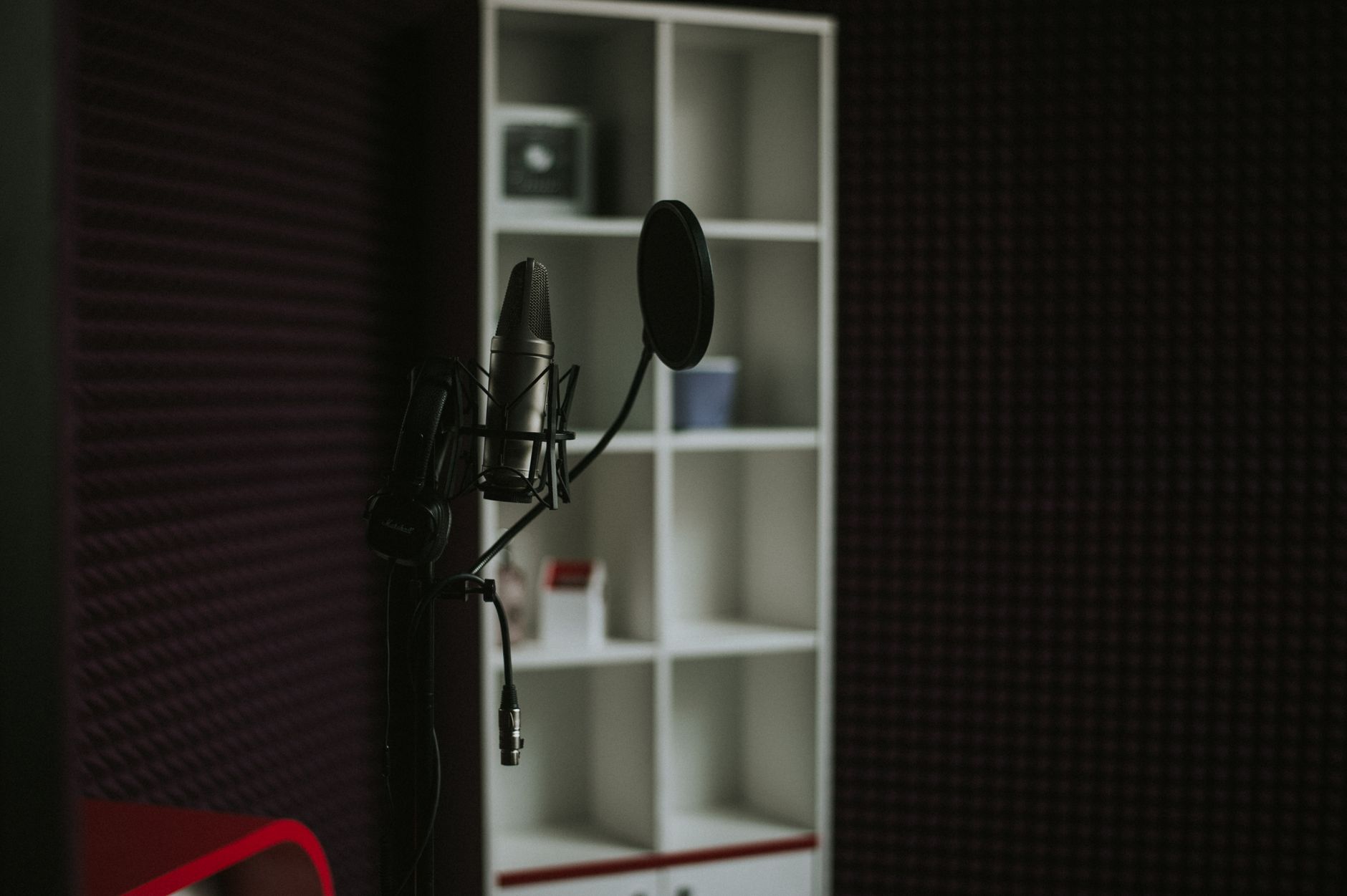
Zoom Rooms Killed the Open Floor Plan
The remote work experiment exposed what architects have ignored for decades—open concepts are acoustic nightmares. Now everyone's retrofitting with sound-dampening curtains, installing door sweeps, and buying freestanding phone booths for their living rooms. Companies like Room and Zenbooth are selling $4,000+ privacy pods for home use, essentially admitting that the open floor plan was always more aesthetic than functional. Walls, it turns out, had a point.
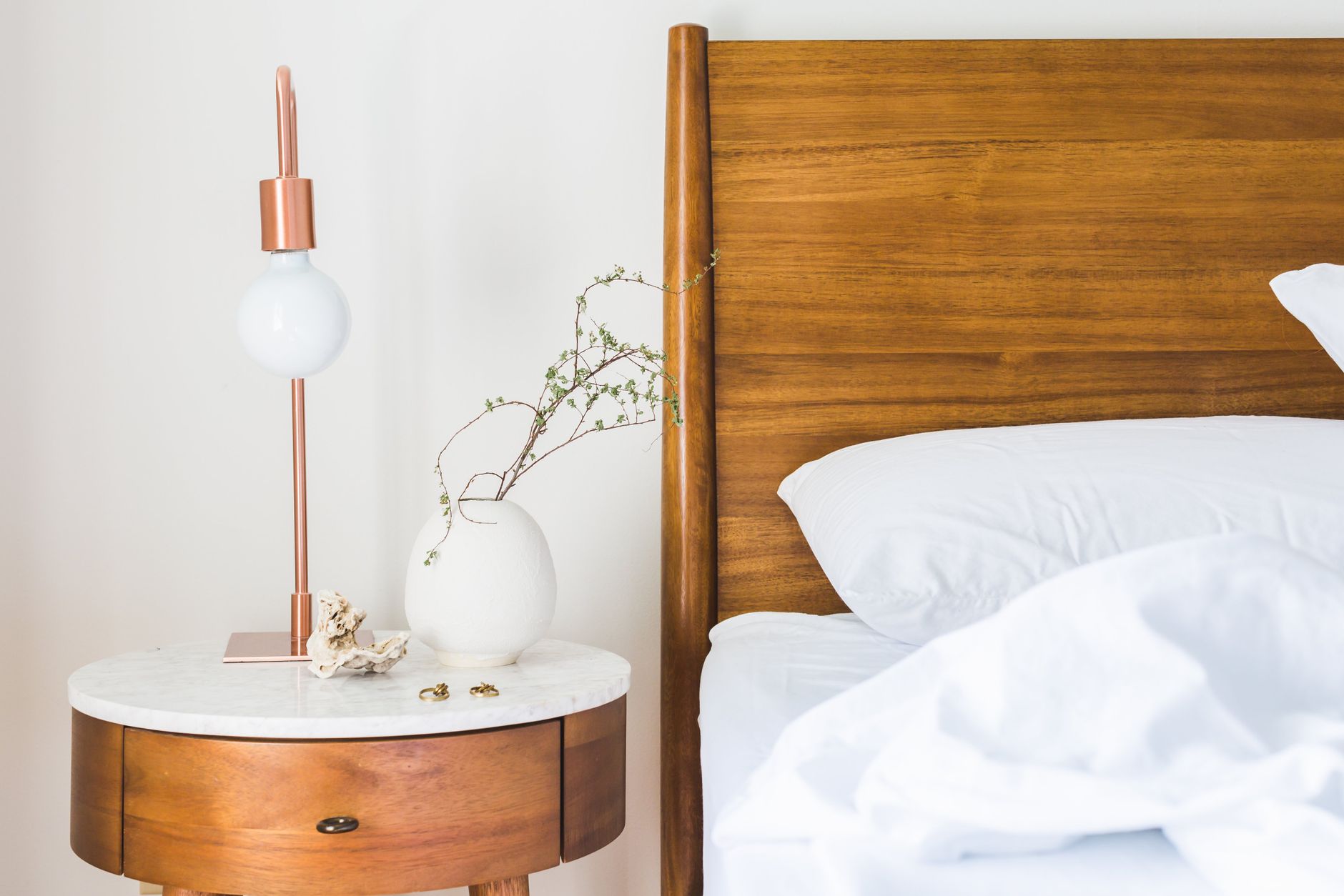
White Noise Machines Went Designer
Once relegated to baby registries and therapy offices, white noise machines have been rebranded as wellness devices with the industrial design to match. The Dohm Uno looks like a minimal Bluetooth speaker, Hatch Restore has an influencer-approved glow, and high-end options now offer "sonic landscapes" instead of just static. This category exploded because it solved a problem without requiring construction permits—and because admitting you need help sleeping is no longer embarrassing, it's self-care.
Carpet Made an Unlikely Comeback
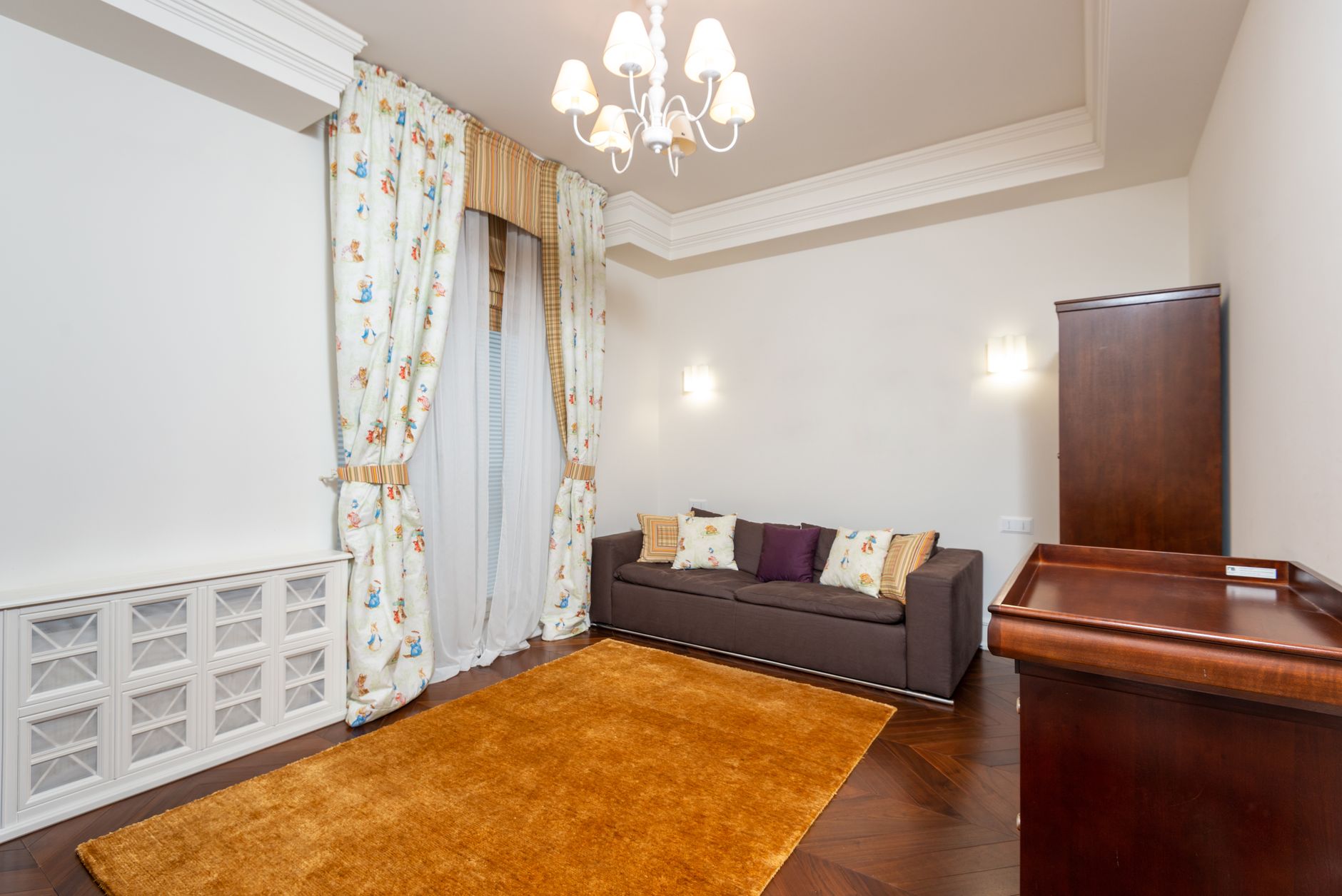
Every design cycle gets the trend it deserves, and ours is bringing back wall-to-wall. Not the beige builder-grade sadness of past decades, but plush, high-pile options in unexpected textures that happen to absorb sound better than any hard surface ever could. Designers are layering rugs on carpet, specifying wool bouclé for entire rooms, and suddenly the acoustic benefits of soft flooring matter more than the Instagram appeal of concrete. When silence became the luxury, carpet became cool again.