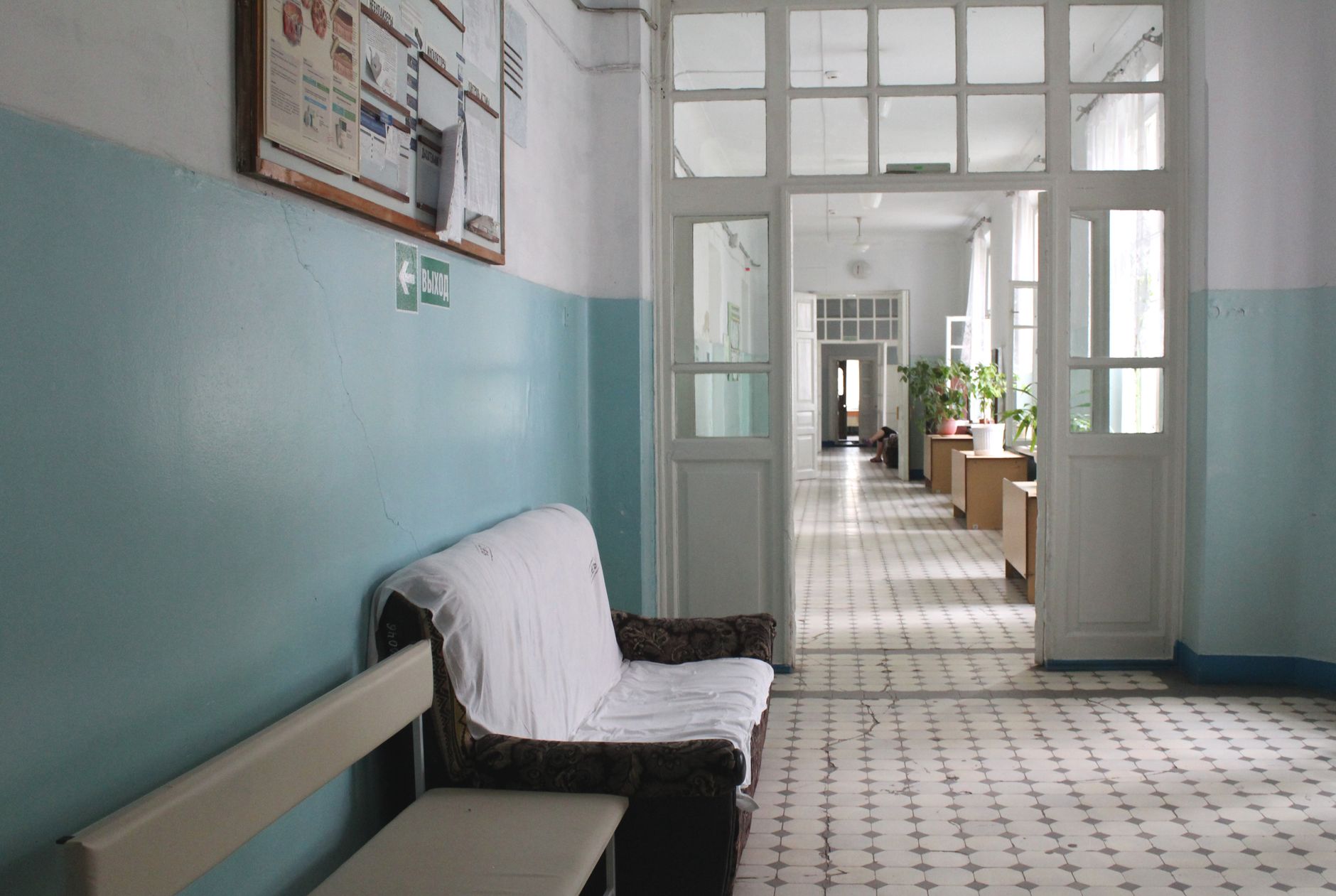
The matching furniture set—that relic of catalogue culture and suburban aspiration—has finally died. In its place: rooms that look like they were furnished over decades, by someone who actually travels, reads, and makes decisions based on something other than algorithmic suggestions.
This isn't random. The great unmatching signals a shift from decoration as status display to interiors as autobiography. Each piece chosen for its own merit, not its ability to play nice with what's already there. The result feels collected, not bought. Lived in, not staged. Which is precisely why it costs more, in every sense.
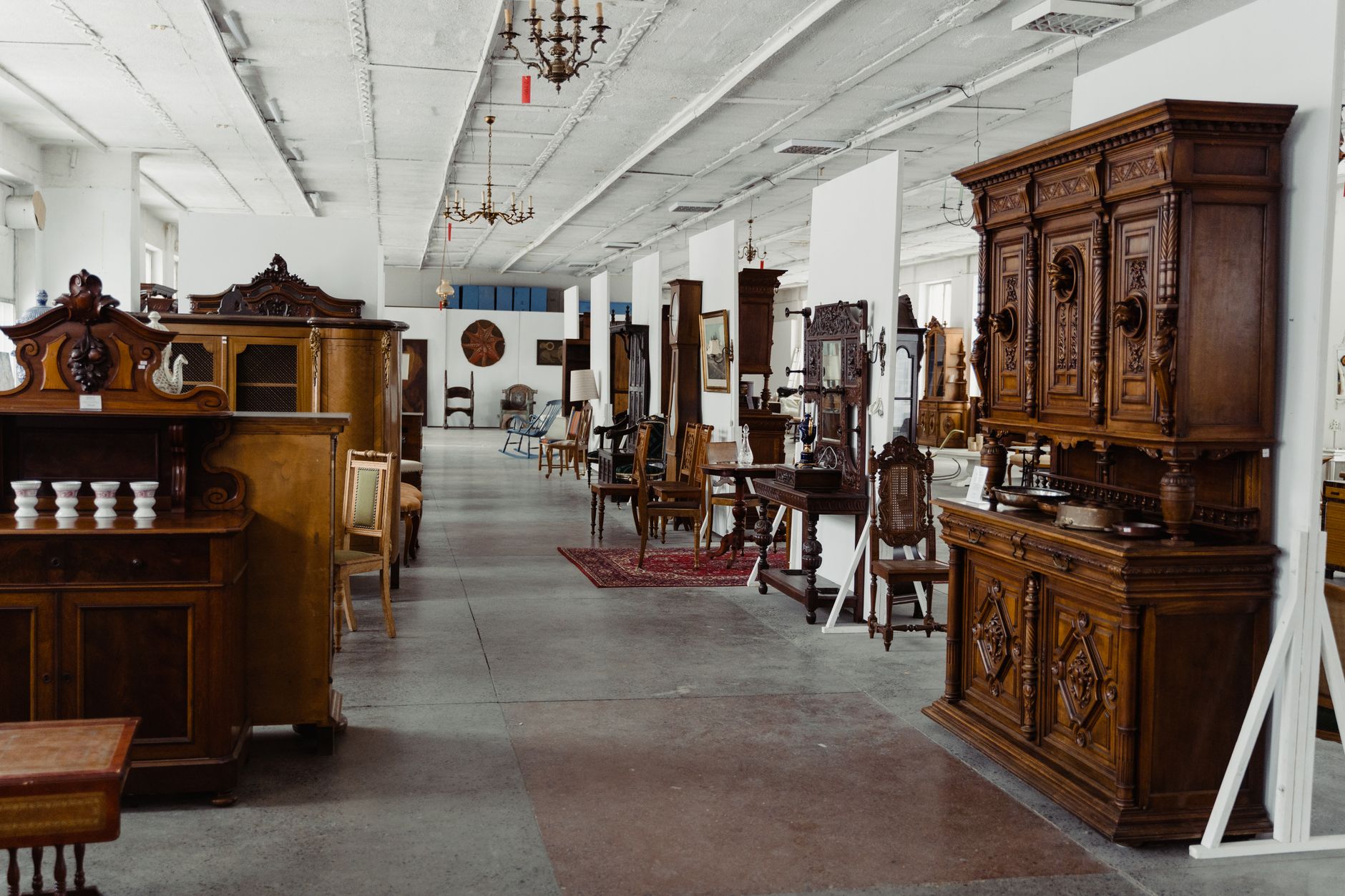
Auction houses are the new furniture stores
The dopamine hit now comes from 1stDibs, not West Elm. Estate sales trump showrooms. People who once wouldn't consider anything pre-owned are learning the vocabulary of provenance and patina. When your dining chairs have different origins—one Swedish modern, two French provincial, a rogue Wegner—you're signaling connoisseurship, not indecision. You're saying: I know what I like, and I didn't find it by scrolling through page three of a search result.
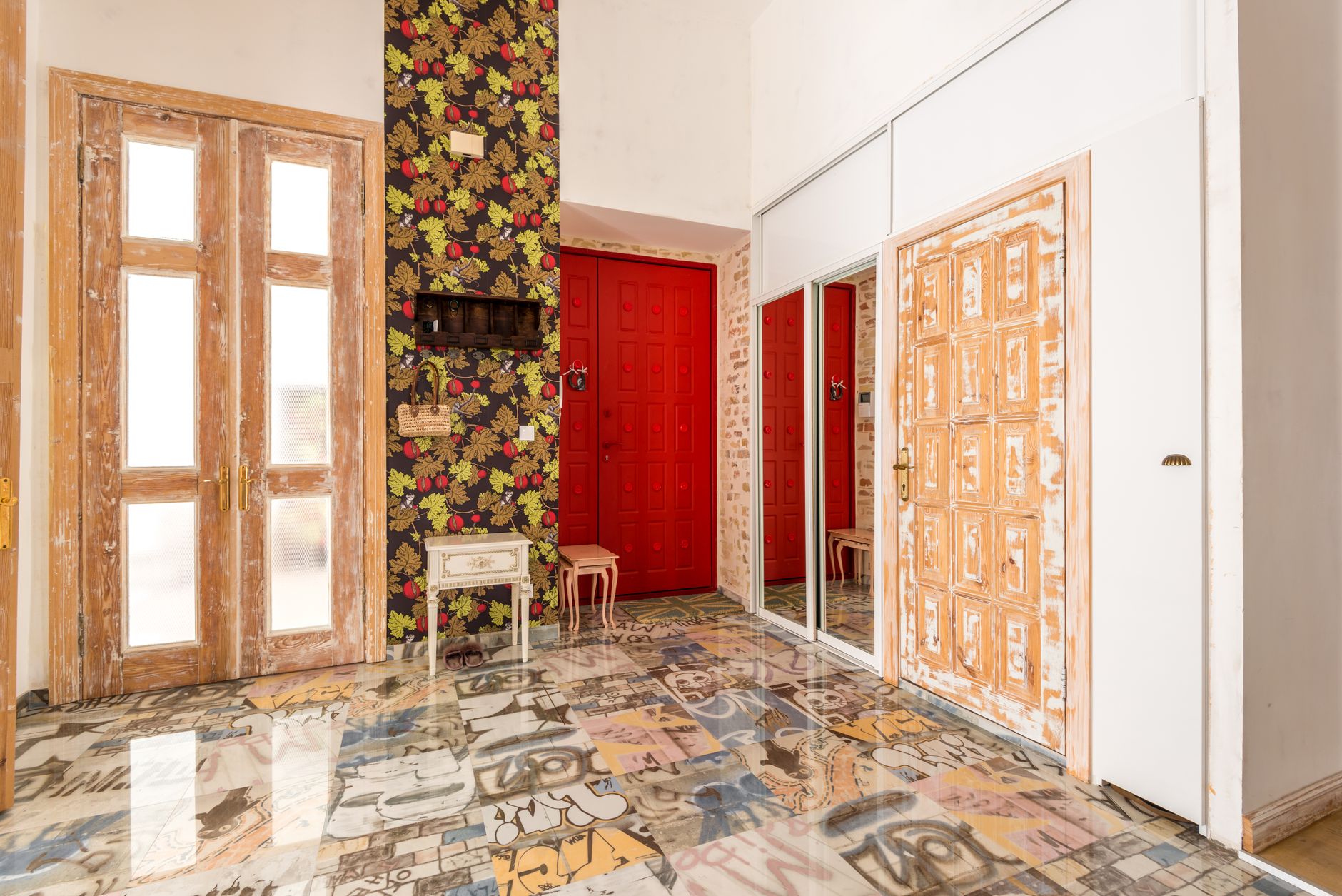
Maximalism's quietly sophisticated heir
This isn't maximalism's loud cousin. The great unmatching requires restraint—knowing when the Victorian settee stops being interesting and starts being a cry for help. It's discipline disguised as abandon. Each mismatched element must earn its place through form, history, or sheer presence. The through-line isn't visual consistency but curatorial logic, which makes it infinitely harder to execute than buying a room in a box. That's the luxury.
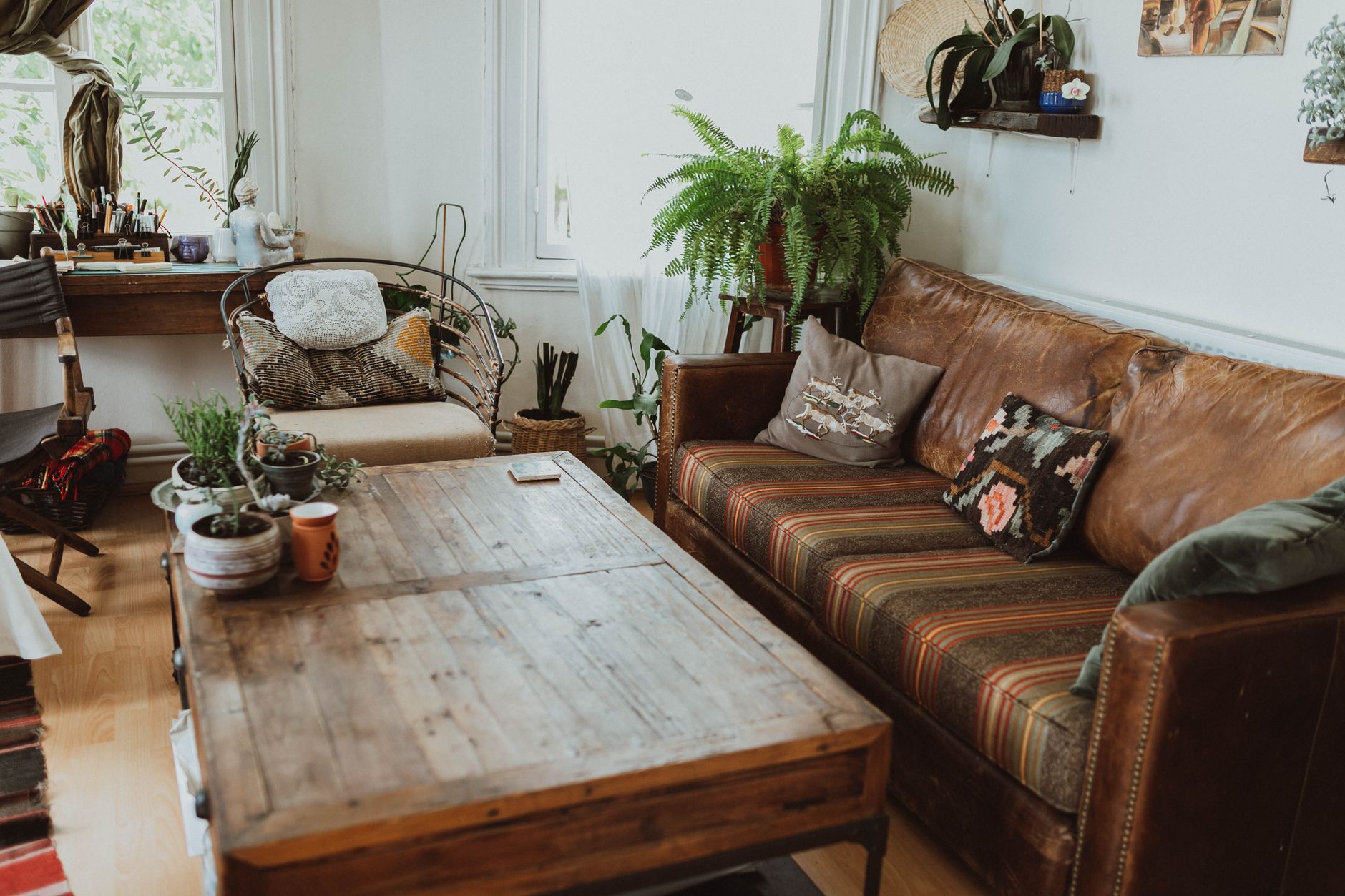
The end of the living room as stage set
Rooms designed for being in, not being photographed. The unmatched interior resists the tyranny of the grid, the Instagram-optimized sight line, the everything-faces-the-camera arrangement. It assumes you'll actually sit in that Eames lounger next to the bergère, that you'll notice the way afternoon light hits the mismatched wood tones. It's built for peripheral vision and memory, not the algorithm. Which makes it radically, almost offensively, analogue.
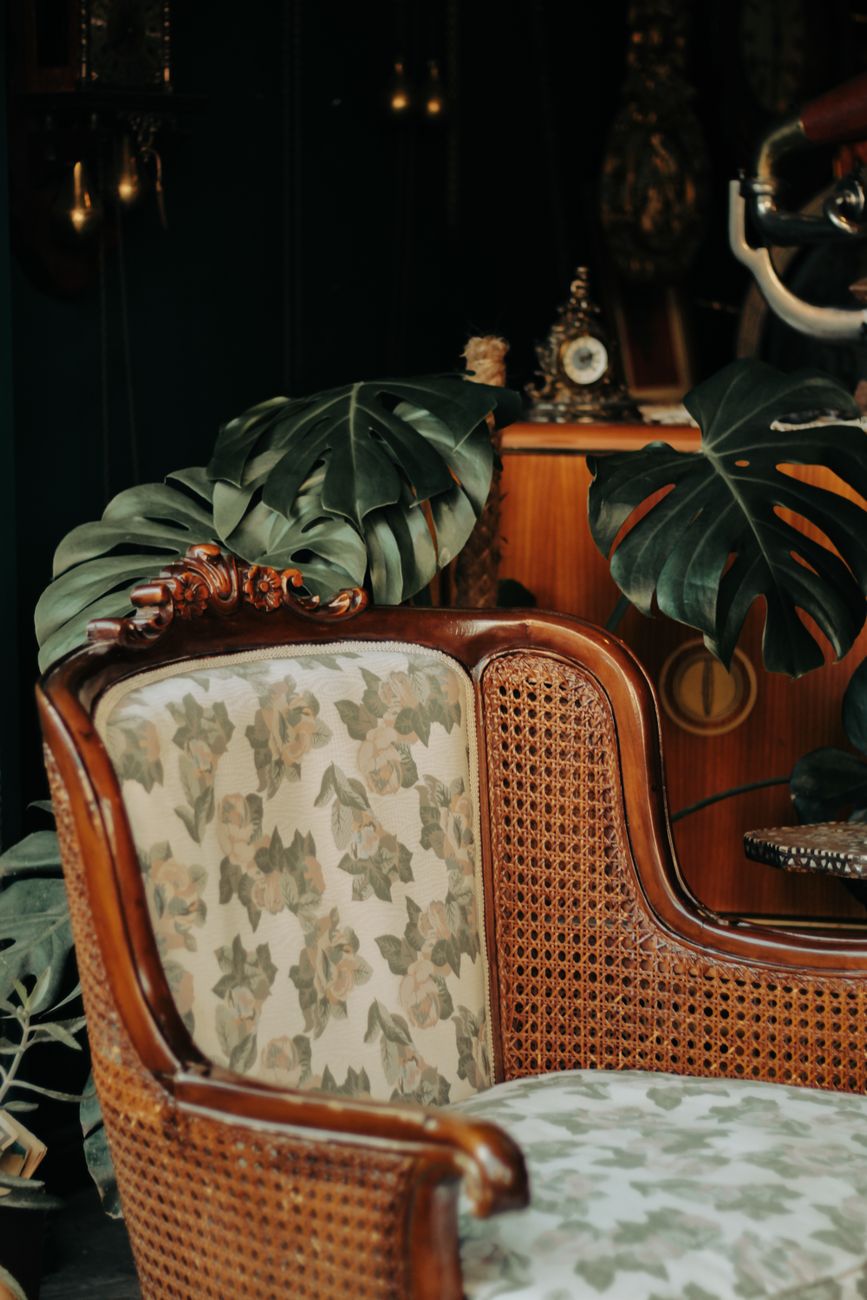
Old money aesthetic without the trust fund
Inherited interiors have always signaled wealth that doesn't need to announce itself. Now, the deliberately assembled version creates the same effect—rooms that suggest accumulation over time, pieces acquired through knowledge rather than budget. The savvy are mixing Ikea with antiques, knowing that the £40 linen cabinet becomes invisible next to the 1940s Murano lamp. It's a hack that requires actual taste, which is harder to fake than money.
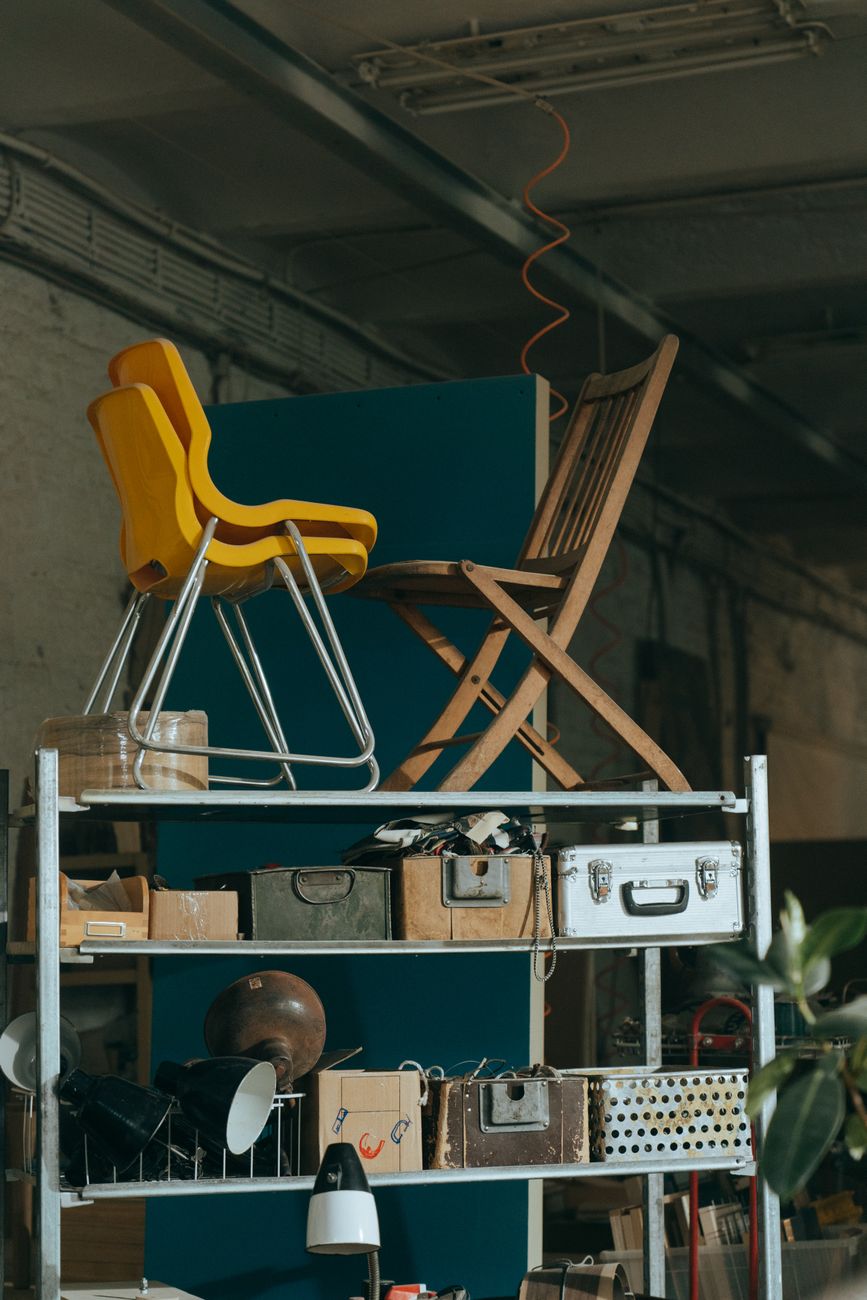
Sustainability as happy accident
When buying less means buying better, and better means older, mismatched becomes the natural outcome. The environmental case for vintage is airtight, but that's not why people are doing it. They're doing it because a room of perfectly matched mass-produced furniture now reads as wasteful in a different way—culturally, aesthetically, intellectually. The unmatched room is the byproduct of buying things made to last, chosen to matter. The sustainability is structural, not performed.