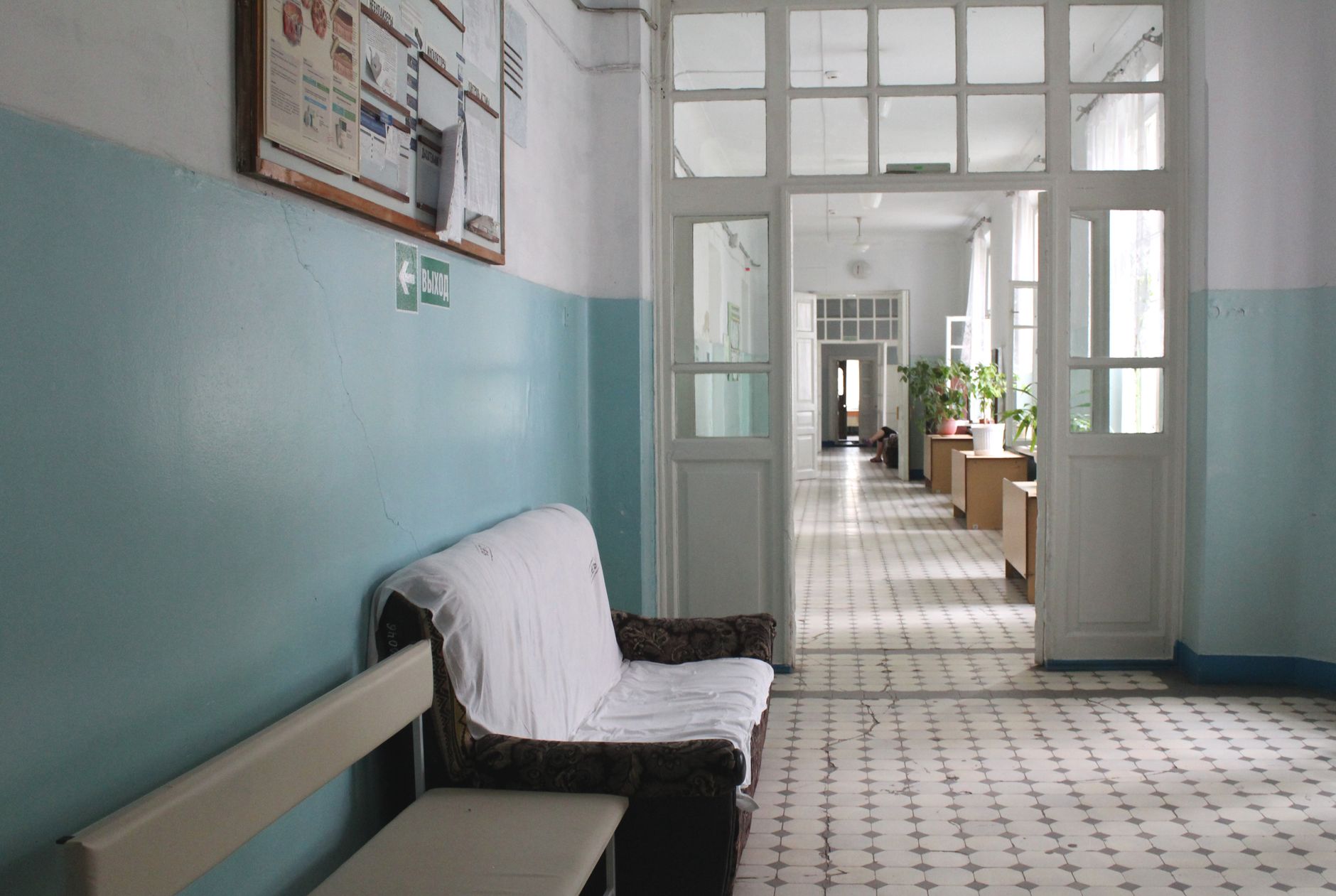
The open-plan office failed us. The kitchen island as command center exhausted us. Now, quietly and without apology, people are carving out rooms in their homes that serve absolutely no productive function. Not home offices. Not multi-purpose zones. Rooms for sitting. For reading without your phone. For staring at the ceiling and calling it an afternoon well spent.
This isn't nostalgia for Victorian parlors, though the aesthetic borrows liberally. It's a deliberate rejection of the tyranny of optimization—the idea that every square foot must justify its existence through utility. In a culture that monetized our hobbies and turned rest into 'self-care,' doing nothing in a room designed for exactly that feels like the most radical thing you can do with your mortgage.

The formal living room is back, but nobody's entertaining
Young homeowners are reinstating the formal living room their parents abandoned for great rooms in the '90s, but the reboot has nothing to do with hosting. These are private sanctuaries, often off-limits to anyone scrolling their phone or discussing work. One architect in Brooklyn reports clients requesting 'conversation rooms' with seating arranged for actual eye contact—no television, no dining table, just the lost art of sitting across from someone without an agenda. The status symbol isn't the square footage. It's having space you refuse to make useful.

Personal libraries for people who already own Kindles
The home library is proliferating among people who do most of their reading digitally, which tells you everything about what's actually happening. This isn't about books—it's about claiming physical space for intellectual life in an age when everything cognitive has been flattened into screen time. Interior designers note clients buying physical copies of books they've already read on devices, building libraries that function more like memory palaces than information sources. The room says: my inner life takes up actual space in this house, and I'm not apologizing for the real estate.
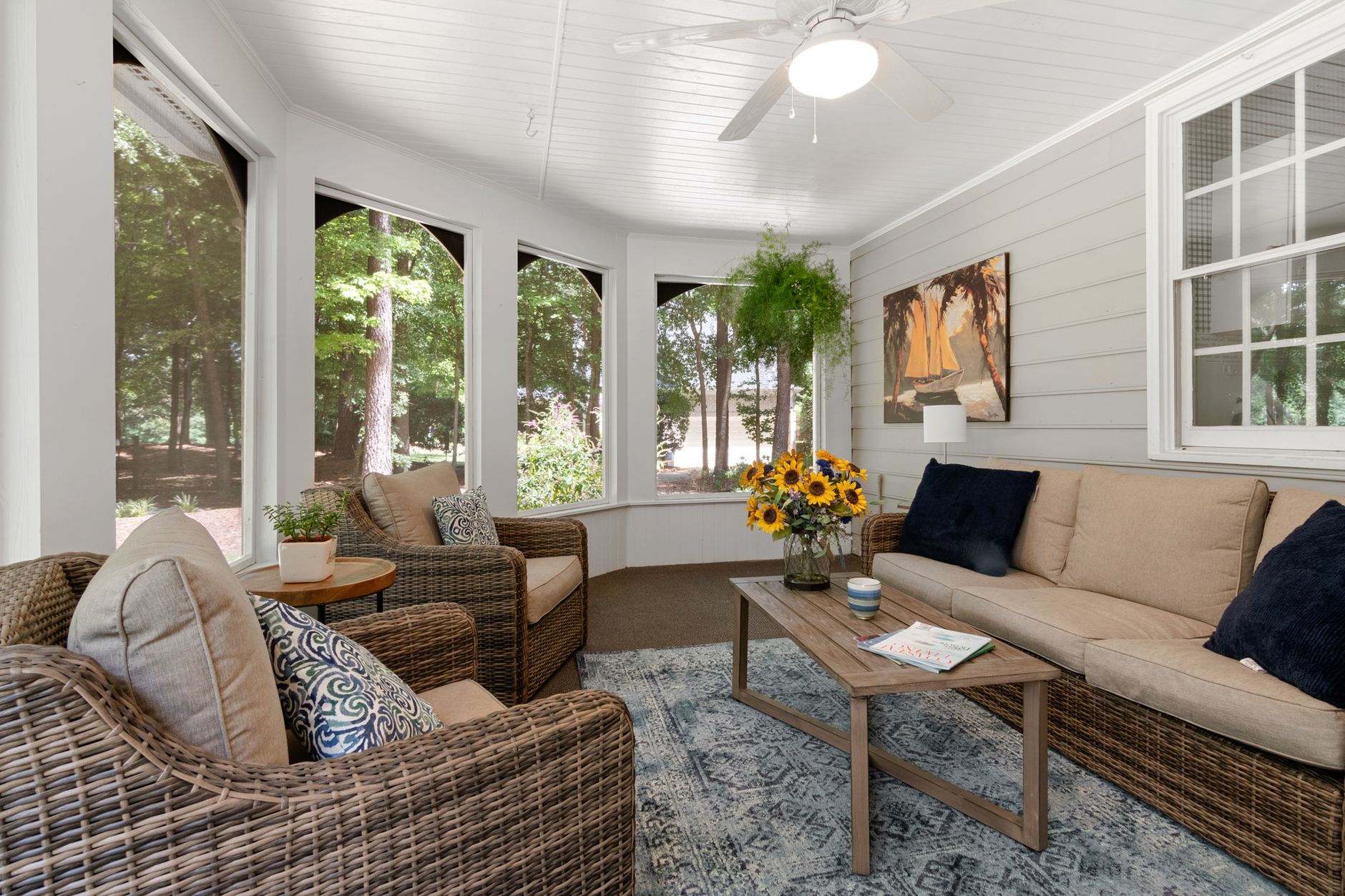
Breakfast rooms, sun rooms, and other single-use rebellions
The breakfast room—a separate space for morning coffee, distinct from the kitchen—is appearing in renovation plans with surprising frequency, alongside sun rooms, tea rooms, and other spaces designed around a single, leisurely activity. It's the opposite of the multi-purpose room that dominated the 2010s. These spaces reject the open-plan ideology that every activity should bleed into the next, that efficiency means eliminating transitions. The return of rooms with names that sound like they belong in an Edith Wharton novel isn't about formality. It's about putting doors between different parts of your life.
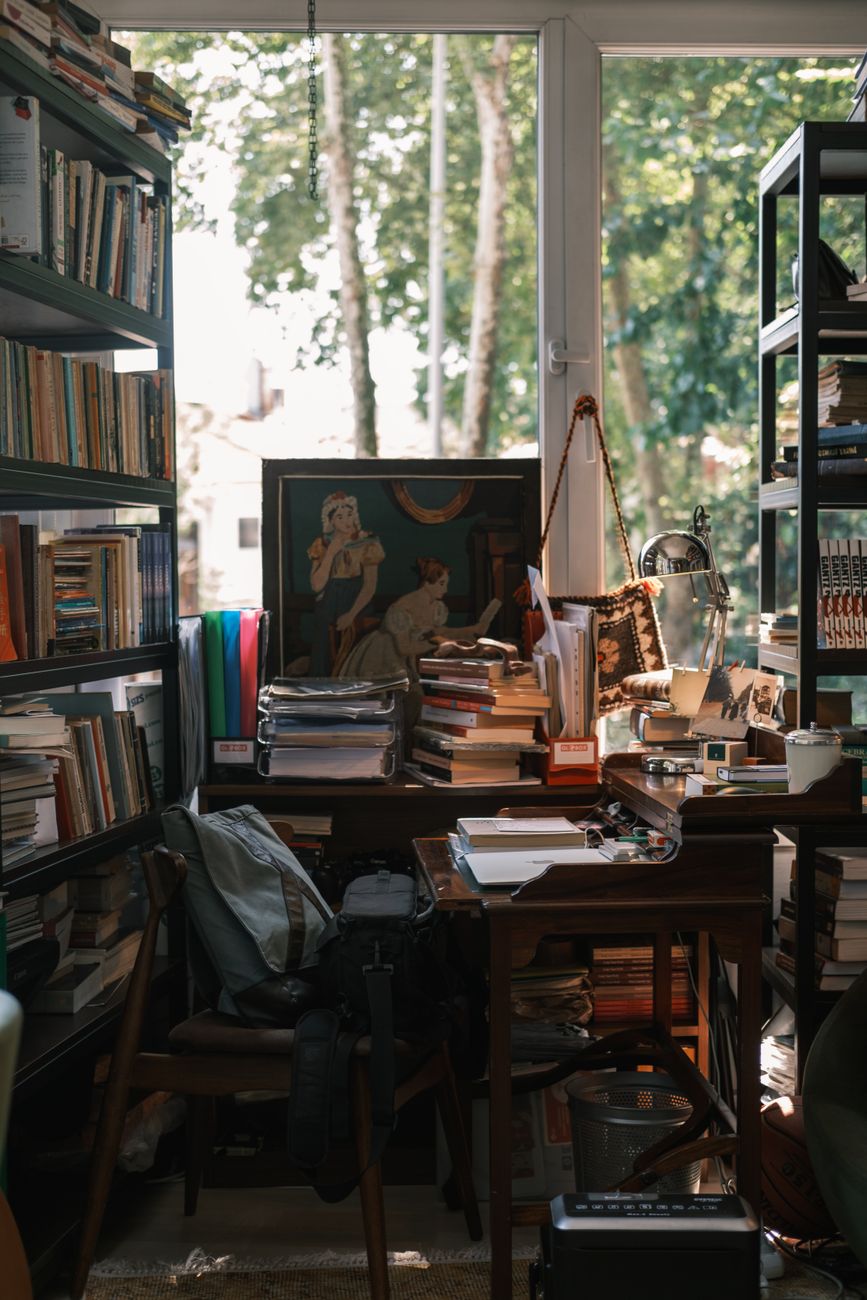
The anti-aesthetic aesthetic: rooms that photograph badly
These rooms are designed to be experienced, not posted. They're too personal, too idiosyncratic, too 'you had to be there' to translate on Instagram. Real estate agents quietly complain that sellers are unwilling to stage these spaces for maximum appeal—they want the room to remain exactly as they use it, full of half-read books, cold coffee cups, and the kind of comfortable disorder that signals actual occupancy. The trend runs counter to a decade of making homes camera-ready. These rooms assert a boundary: not everything is content, and not every space needs to perform for an audience.
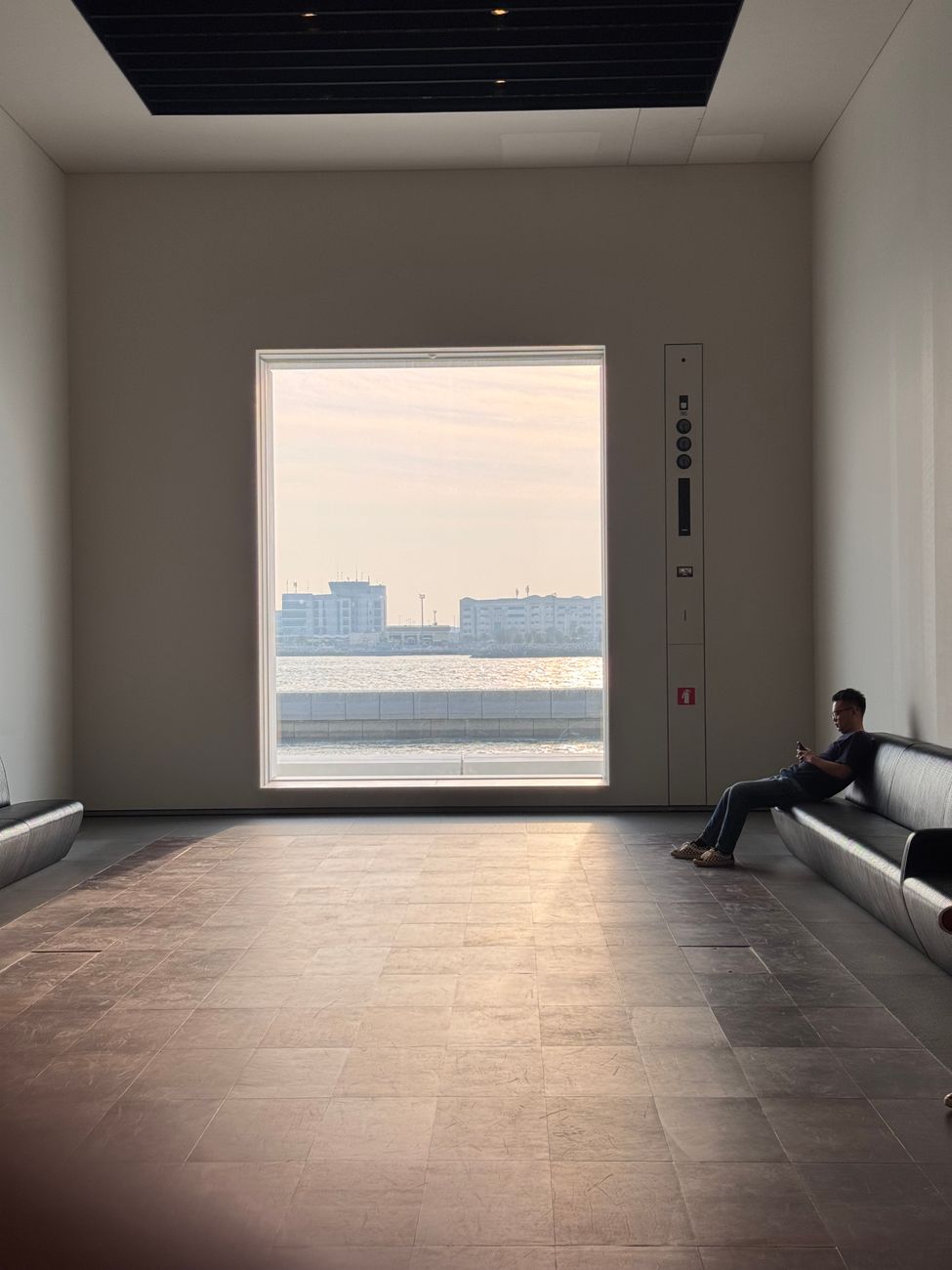
Doing nothing as the new luxury skill
The useless room requires a skill set that feels increasingly rare: the ability to be alone with yourself without task, device, or distraction. Psychologists are noticing clients who report anxiety about entering their own libraries or sitting rooms, so habituated to constant input that unstructured solitude feels like sensory deprivation. The room becomes both symptom and cure—evidence of how thoroughly we've lost the capacity for idle time, and a dedicated space to learn it again. The real luxury isn't the square footage or the custom millwork. It's remembering how to exist without producing anything, including an optimized version of yourself.