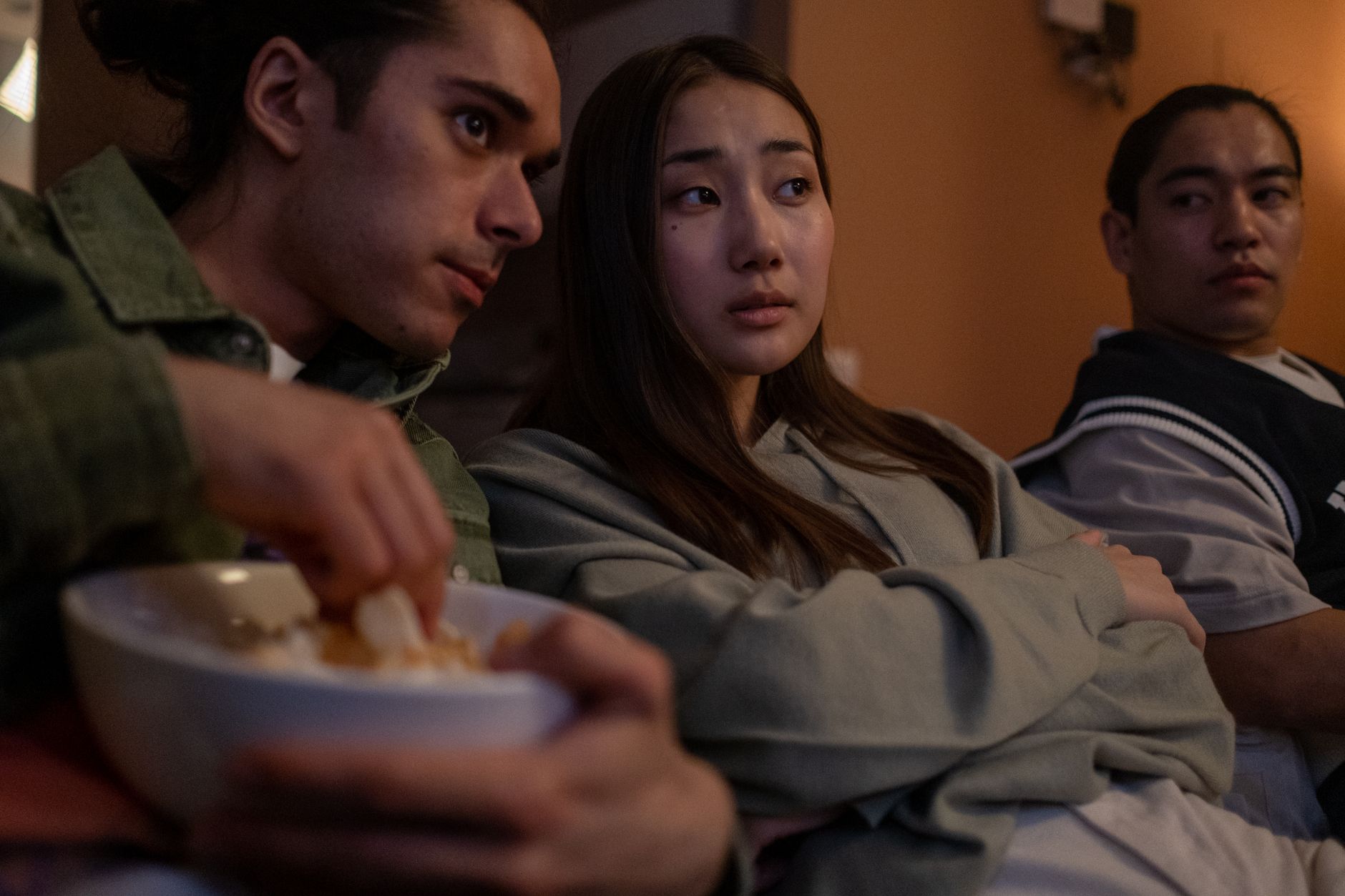
Something broke between the Oprah special and now. The celebrity crying interview—once a ratings goldmine and career rehab tool—has become background noise. Scrolling past someone's raw breakdown feels less like witnessing truth and more like watching emotional labor packaged for clicks.
This isn't about audiences becoming cold. It's about fatigue with a very specific performance: the famous person who cries beautifully, confesses strategically, and emerges with their brand intact. The vulnerability economy is experiencing a correction, and the new rules are unforgiving.
The Algorithm Killed Authenticity
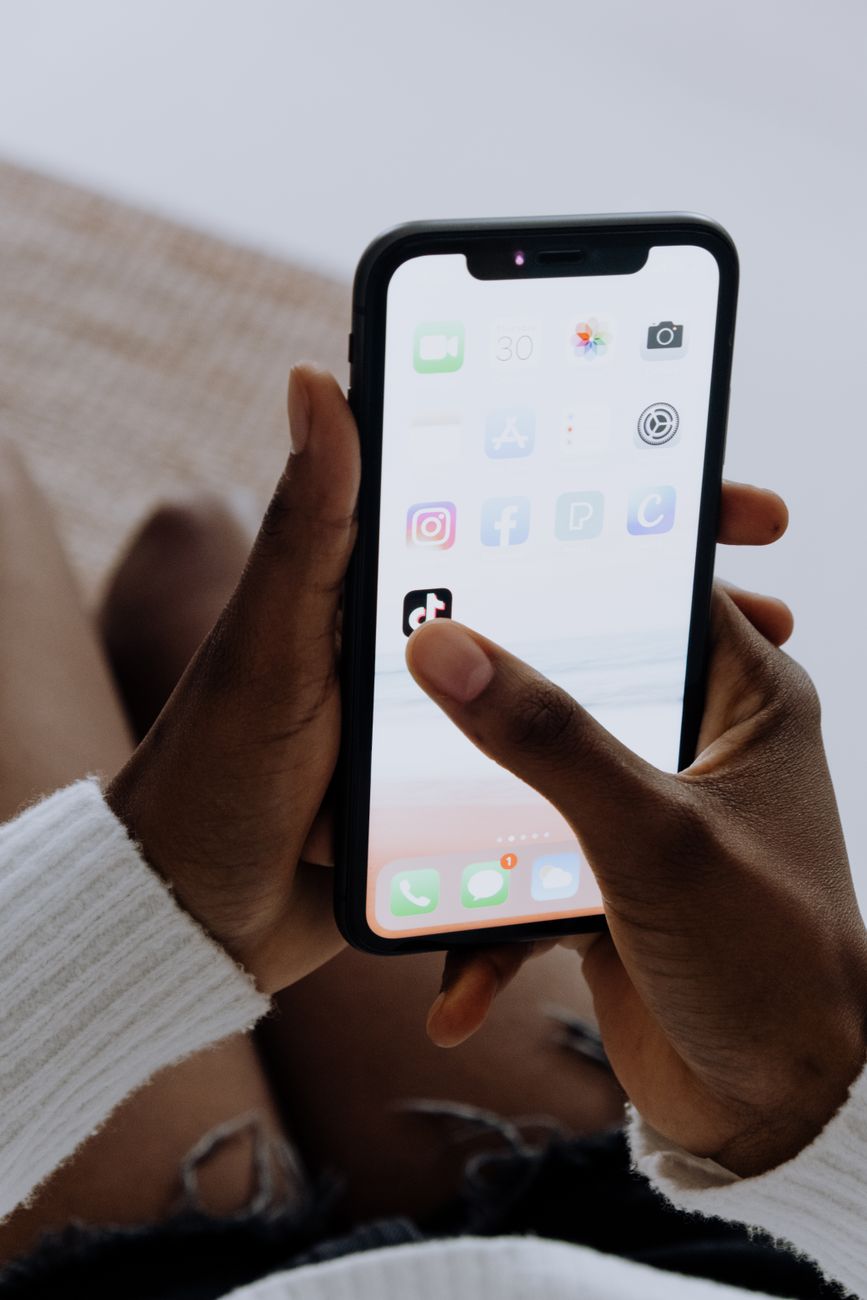
When every influencer adopted the "get vulnerable with me" formula, sincerity became indistinguishable from content strategy. The tearful monologue that once felt revolutionary now follows a template: soft lighting, strategic pauses, direct camera address. Audiences have developed pattern recognition for manufactured intimacy. What was supposed to humanize celebrities instead revealed how calculated their image management has become, turning genuine connection into just another engagement metric.

Economic Anxiety Has No Patience for Famous Sadness
It's difficult to empathize with someone crying in a house you'll never afford about problems money could solve. The wealth gap has made celebrity suffering feel fundamentally unrelatable—not because their pain isn't real, but because the context surrounding it screams privilege. When actors discuss their mental health struggles from homes with therapy rooms and personal chefs, the disconnect isn't subtle. Audiences living paycheck to paycheck have redirected their emotional bandwidth toward survival, not celebrity catharsis.

The Apology Video Became Unwatchable
Every scandal now follows an identical script: the Notes app screenshot, the sitting-on-my-floor video, the promise to "do better." These performances have become so formulaic they've spawned their own parody genre. The problem isn't that audiences refuse forgiveness—it's that the apology itself has become content, complete with thumbnail strategy and posting times optimized for maximum reach. When remorse has production value, it stops reading as remorse.

Mystery Became the New Luxury
Total transparency has lost its cultural currency. The celebrities maintaining genuine intrigue—Anya Taylor-Joy, Timothée Chalamet, even Rihanna—operate with strategic opacity, revealing just enough to stay interesting while keeping their actual lives private. This isn't 1950s studio system control; it's a deliberate rejection of the oversharing mandate. In an economy where everyone monetizes their trauma, privacy has become the ultimate flex. Audiences are rewarding this restraint with sustained fascination rather than the brief viral spike of a good cry.

The Therapy-Speak Saturation Point
Trauma, triggers, boundaries, healing—the language of therapy colonized every celebrity interview until the words lost meaning. What began as genuinely progressive mental health destigmatization curdled into verbal tics that signal awareness without requiring change. When every celebrity discusses their "journey" using identical psychology terminology, it reads less like self-awareness and more like media training. Audiences aren't rejecting mental health discourse; they're rejecting the professionalization of it, the sense that vulnerability has become another skill celebrities hire coaches to perfect.